Iraq may allow UN weapons inspectors to return

FACING the increasing possibility of US military action, Iraq yesterday gave the first solid indication in nearly four years that it will allow UN weapons inspectors to return and invited the chief inspector to Baghdad for talks.

Iraq may allow UN weapons inspectors to return

Saddam Hussein chose the eve of the 12th anniversary of his invasion of Kuwait an act that sparked the 1991 Gulf War to make the surprise move. The return of inspectors is a key demand of the UN Security Council and especially of the US, which has accused Iraq of trying to rebuild its banned weapons programmes and of supporting terrorism.

The US last night responded by demanding unfettered international inspection of Iraq's suspected weapons sites. Referring to Iraq's invitation, US National Security Council spokesman Sean McCormack said: "It should be a very short discussion. What Saddam should say is, 'Yes, I accept any time, anywhere, any place unfettered inspections."'

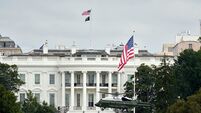
The Baghdad move coincided with rising White House rhetoric against Iraq and refusal by President George Bush to retract a threat to consider a military attack to topple Saddam.

Saddam's offer came in a letter from Iraq's Foreign Minister Naji Sabri to UN Secretary-General Kofi Annan which referred twice to the return of inspectors - and hinting that talks with chief inspector Hans Blix could lead to an agreement for a resumption of inspections.

The letter arrived four weeks after Mr Annan failed for the third time since March to persuade Mr Sabri to allow the inspectors back. Unlike many Iraqi letters to the UN, this one was moderate in tone and did not contain political rhetoric.

It was sent as the US Senate Foreign Relations Committee wrapped up hearings on whether the US should force Saddam from power. It was generally agreed at the Senate hearings that Saddam's development of weapons of mass destruction pose a serious risk _ though there have been differences about whether the threat could be ended only by military action. While Mr Bush called for Saddam to be removed, citing the threat posed by Iraq's development of chemical and biological weapons and its pursuit of nuclear weapons, White House officials insist no decision has been made on whether to invade Iraq. Nonetheless, there has been an increasing spate of reports that US Defence Secretary Donald Rumsfeld is examining military options.

The letter also arrived as the US assumed the rotating presidency of the Security Council from Britain.

Under Security Council resolutions, sanctions imposed after the invasion can be lifted only when inspectors certify that Iraq's nuclear, chemical and biological weapons have been destroyed, along with the long-range missiles that could deliver them.

Russia hailed Iraq's olive branch and also claimed credit for the move, saying that it has offered a peaceful way out of the crisis.

In the letter, Sabri invited Blix and experts from the UN weapons inspection agency to visit Baghdad for technical talks "at the earliest agreed upon time."

x

More in this section

Cookie Policy Privacy Policy Brand Safety FAQ Help Contact Us Terms and Conditions

© Examiner Echo Group Limited