Drive for UN sanctions against Iran opposed
Just days before planned action on referral, diplomats and officials said the idea of giving Iran a deadline of several weeks to comply with international demands on its nuclear activities is gaining favour.
“It would not be a change in policy but a change in timing,” said one European official about the possibility of delaying - but not withdrawing - the UN Security Council threat. There has been strong opposition from more than a dozen nations on the board of the Vienna-based International Atomic Energy Agency to a demand for referral at next week’s board meeting.
The officials and diplomats spoke anonymously because of the delicacy of the negotiations on what tack to take on Iran.
Their comments seemed to mirror indications from US Secretary of State Condoleezza Rice that Washington was prepared to delay its drive for Security Council referral.
Rice last week appealed to China, Russia, India and other nations to support threatening Iran with sanctions for refusing to halt its nuclear program.
Russia quickly registered its opposition, and the White House acknowledged it was unable to get a commitment from Chinese President Hu Jintao.
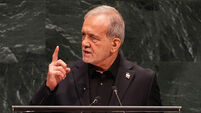
Iran’s new president, Mahmoud Ahmedinejad, urged the UN General Assembly not to bend to US pressure.
“The raison d’etre of the United Nations is to promote global peace and tranquillity.
“Therefore, any license for pre-emptive measures which are essentially based on gauging intentions rather than objective facts ... is a blatant contradiction to the very foundation of the United Nations and the letter and the spirit of its charter,” he said.
The European Union has taken the lead in trying to persuade Iran to halt development of nuclear activities that could be used to make weapons in exchange for economic concessions.

CONNECT WITH US TODAY



Be the first to know the latest news and updates