Arsene Wenger wants World Cup and Euros every two years
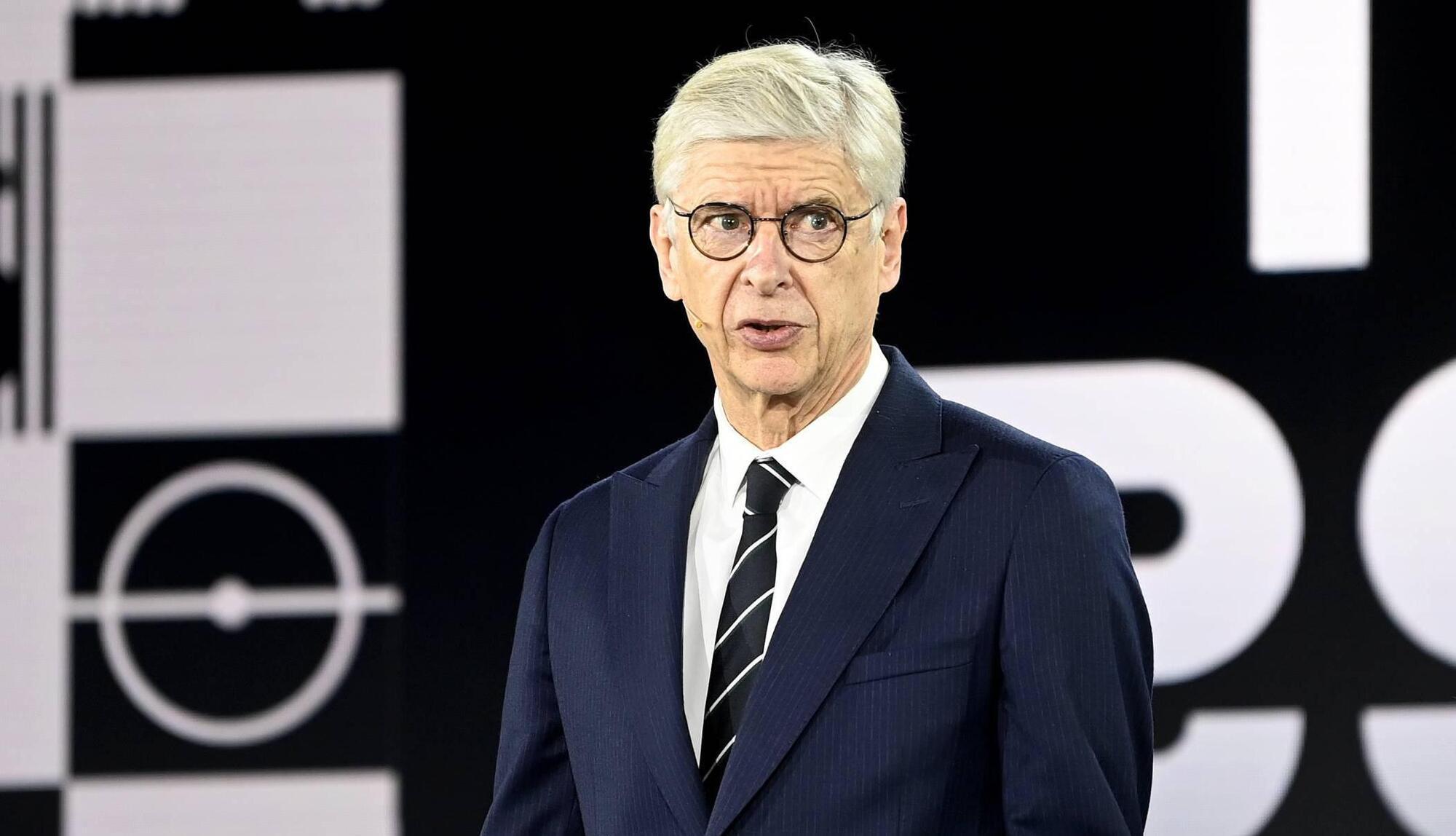
Arsene Wenger at the The Best FIFA Football Awards last December
Arsene Wenger wants to overhaul the global football calendar with World Cup and Euros competitions played on alternating years in a bid to improve player welfare and boost the game's environmental and social responsibility credentials.
"People want to see matches that matter, competitions that matter," the Frenchman, who is now director of world development at Fifa, said in a wide-ranging interview with , while taking a break from filming a documentary about Arsenals 'Invincibles', in which he also talked about his concern about the risks of heading for players of all ages.
The biennial plan has been up for consideration a number of times since disgraced former Fifa president Sepp Blatter first suggested it shortly after the 1998 World Cup in France. He even had plans drawn up to reshape the calendar in 2008, before they were shelved.
His successor, Gianni Infantino, suggested a plan for a pared-down eight-team biennial mini-World Cup in 2018, but that, too, never saw the light of day.
It has now reappeared on former Arsenal manager Wenger's desk, and he sees it as an opportunity in the current health crisis to cut the number of internationals on the calendar, and reduce the air miles that national squads rack up on 'meaningless' matches in international windows.
"Is it reasonable, when we owe it to ourselves to be responsible, especially eco-responsible, to increase the number of trips for international breaks?" Wenger asked. "Is this in line with an evolving society?
"We have to reorganise all of this, rethink the international calendar. One solution is undoubtedly to organise the World Cup and the Euro every two years and put a stop to everything else."
Wenger's plan would see the Euros adopt a two-year calendar similar to the one followed by the Africa Cup of Nations, while dropping the four international windows that break up domestic calendars and are often filled with friendly matches. The Copa America, which is played every two or three years, would also have to settle into a two-year cycle.
Wenger argued that increasing the frequency of the world's biggest tournaments would not dilute interest in the international game. "Contrary to what some say, this will not hurt the prestige of these competitions.
"The Champions League is held every year and it's very prestigious."
Wenger did not address concerns of some critics, who have argued it would be impossible to organise tournaments like the World Cup finals, without international windows to host qualifying matches, while the unbroken cycle of high-pressure domestic and international competitions would cause more player problems than it solves.
But, he urged vigilance on the risks of head trauma caused by repeated heading. "Little by little we need to limit the time devoted to heading drills in training, and prohibit it for younger players," he said. "Adults, I don't know."
In England, an inquiry is to be launched into the link between dementia and head trauma in sport after the death of former West Bromwich Albion and England striker Jeff Astle in 2002 and a long campaign by his family on the issue.
MPs on the digital, culture, media and sport committee will “consider scientific evidence for links between head trauma and dementia and how risks could be mitigated” in the inquiry, which is scheduled to start on Tuesday, March 9.
Wenger said that officials were already looking at the data and would look to change rules on heading if needed.
"At Fifa, we are very vigilant about heading - we're in the dark about certain brain injuries. Today, I tell myself that, having coached players for many years, I've done some damage in training. More so than in matches, for that matter.
"When I think back on all the heading drills that we set up ... It seems appropriate today to take action. We must be very, very vigilant about the consequences of head trauma, on what happens afterwards.
"It will be necessary to think about clear rules on the supervision of heading."
He said that he believed any new rules would have an effect.
"Coaches are responsible beings - players are also aware of the risks," he said. "In professional football, they earn a lot of money and want to enjoy it long after their career is over. So they will act conscientiously."


CONNECT WITH US TODAY



Be the first to know the latest news and updates