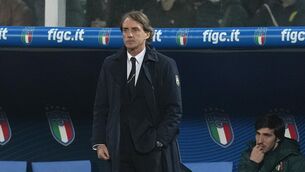
Sevilla ’82 remains relevant at Rio
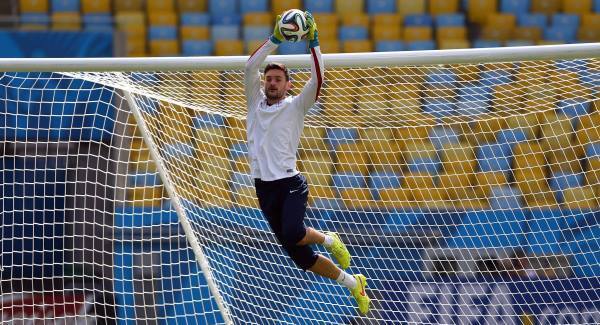
WORLD CUP QUARTER-FINAL:

Sevilla ’82 remains relevant at Rio

It was one of the most dramatic, and iconic, games in World Cup history and while only four players in the current squads were born then – Mikael Landreau and Patrice Evra for France, and Roman Weidenfeller and Miroslav Klose for Germany – the memory has dominated the build-up to this afternoon’s quarter-final between the sides at the Maracana. At least, it has in France, who were beaten in Sevilla, but went on to triumph at the 1984 European Championship.

“These players were not even born then, so why does it matter?” asked France coach Didier Deschamps at his press conference, but it does matter. It matters because the story of Sevilla 82 has entered football folklore; because the game, according to one French commentator ‘evoked memories of war’; and because the French players know that when it comes to Germany and World Cups, that weight of history might plant the smallest seed of doubt.

One man dominated Sevilla 82: West Germany goalkeeper Harald Schumacher. And he was angry. Two things had happened to him on the way to the ground that had not eased his mood. First, he and two team-mates, Klaus Fischer and Pierre Littbarski, had been stuck in a lift for 15 minutes on the way to the team bus. “Schumacher opened the doors apart with all his strength, between two floors. He was mad with rage, boiling mad,” said Fischer.

Once the German team was inside the stadium, Schumacher then realised he had left his lucky blue goalkeeper’s jersey on the bus, but it was too late – the bus had gone. He admitted to being “upset and tense” by his error and as the game went on, France sub Patrick Battiston turned to his team-mate and said he looked “mad and aggressive” out on the field. His words were prescient.

What happened next was brutal. After 57 minutes and with the score at 1-1, Michel Platini played a through ball over the German defence and Battiston, now on the pitch, was chasing after it. Schumacher ran out and, just after Battiston connected with the ball, he smashed his hip against the Frenchman’s jaw. Battiston lost consciousness, had two teeth knocked out, cracked three ribs and damaged his vertebrae. But what really wound up the French players was referee Charles Corver gave no foul, and Schumacher bounced the ball around his goal looking like he hadn’t a care in the world. Schumacher later admitted he regretted not going to check on Battiston straight away.

By the time the match went to penalties – after a Karl-Heinz Rummenigge inspired German comeback in extra-time – the French players were emotionally exhausted. French forward Didier Six had his penalty saved, and he responded by collapsing to the ground in the six-yard box with his head in his hands. This was the first penalty shoot-out in World Cup history and in some ways marked our response to penalties, as dangerous moments with the power to reduce athletes like Six to gibbering wrecks (the only German who missed, Uli Steilike, responded by crying).

Schumacher may have been the villain but he was also the hero. He also saved from Maxime Bossis to help West Germany win 5-4. After the game, he told a French reporter that to apologise for Battiston losing his teeth, he would pay for new crowns. It came across as arrogant and mocking.

Tensions between the two countries increased in the game’s aftermath. To calm things down, Chancellor Helmut Schmidt sent an open letter of condolence to President Francois Mitterand. “Our hearts go out to the French, who deserved to go through just as much as the Germans.” It didn’t work. Even a staged reunion between Schumacher and Battiston failed miserably. “The bad guy just wanted to poke fun at the good guy,” wrote Le Figaro.

France had their chance to avenge Sevilla 82 in the 1986 World Cup semi-final in Guadalajara. They went in as European champions and favourites to face Argentina in the final. But once again the Germans got the better of them, winning 2-0 with goals from Andreas Brehme and Rudi Voller.

Deschamps may insist none of this matters, but it does. Both sides may have reached two finals since then (Germany 1990 and 2002, France 1998 and 2006) but the narrative of Germany pipping France to the post already exists. As we look forward to the clash we may end up calling it ‘Rio 14’ in years to come, these things matter.

Meanwhile, seven Germany players are suffering from flu symptoms, ahead of their quarter-final against France.

Coach Joachim Low said most had “throat aches” but did not reveal the names of the players affected.

“It’s too early to make any final decisions about the line-up,” said Low.

x

More in this section

Sport

Newsletter

Latest news from the world of sport, along with the best in opinion from our outstanding team of sports writers. and reporters

Cookie Policy Privacy Policy Brand Safety FAQ Help Contact Us Terms and Conditions

© Examiner Echo Group Limited