Different Spurs, same old story
In keeping some hugely respectable comebacks over the last few weeks, Andre Villas-Boas’s side illustrated admirable character to overcome riotously bad luck and ultimately do their job against Sunderland. From those circumstances, it was the kind of result they wouldn’t have pulled off a few seasons ago.
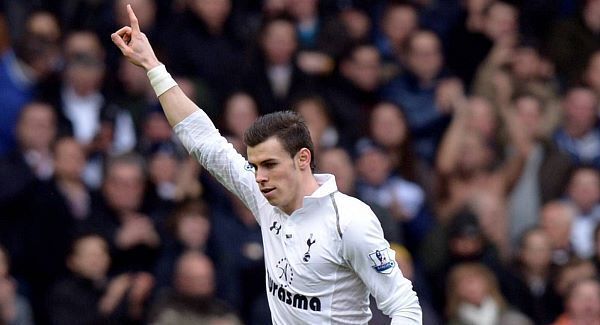
They didn’t, however, have a player like Gareth Bale a few seasons ago. He capped a fine personal campaign to score another screamer.
Even if it produced a win, though, it didn’t provide Spurs with the result they desired above all. Despite such a recovery, despite securing a remarkable tally of 72 points that would have given them Champions League football in all but one of the seasons since the competition was expanded, Villas-Boas’s side only finished fifth.
And, for all that they genuinely deserve respect for that return, the one big question is over what might have happened had they done their job earlier.
Ultimately, Spurs paid for a certain element of complacency. They didn’t sign another forward in January that could have made such a difference; they didn’t really build on March’s derby win over Arsenal, losing the next two games. Villas-Boas, interestingly, pointed to November’s stoppage-time 2-1 away defeat to Everton as “the game that cost us most”.
That sense of what might have been doesn’t just apply to the previous 37 games, though. It also very specifically applies to this one.
With the game at NewcastleUnited starting so tensely, and Spurs showing impressive impetus from the off, it is eminently possible an early goal at White Hart Lane could have caused a nervous Arsenal to buckle.
For their part, that failure wasn’t really down to bad finishing or typical Tottenham issues. There were two hugely unfortunate penalty decisions and one unbelievable goalmouth scramble.
The first incident came in the 20th minute, as Bale finally got free of Sebastian Larsson. Such was the surge of pace the forward displayed, the improvised full-back’s only response was to stick out an arm that sent Bale tumbling to the ground. Even if it may not have been a foul, it certainly didn’t look like a dive. Catching up from 40 yards away, though, Andre Marriner pulled out a yellow card for Bale.
Villas-Boas felt it was crucial.
“I don’t want to put the spotlight on the referee, but I think it will be absolutely decisive, on a fixture when emotions are felt very, very strongly — despite distance between the grounds, we would obviously have to score it, but it would certainly be felt at Newcastle and it would certainly change the running of this game too.”
Villas-Boas most regretted the booking for Bale, but the 51st-minute moment was even more remarkable, as Marriner missed a blatant Carlos Cuellar handball in the box.
The only issue with that was, as Tottenham were railing against a 40th consecutive Premier League game without a penalty, it was precisely the minute when Arsenal were scoring the goal that would give them their 11th win in 14.
Without that kind of genuinely league-winning form, Tottenham’s March mistakes would not have mattered so much.
“This year is very, very unusual, in that we got 72 points, but we didn’t make it, but we can reflect on this amount of points,” Villas-Boas said.
In the 62nd minute, then, fury gave way to farce. Spurs were left aghast at an incredible few seconds’ football. First, Jack Colback improbably got a foot on the line to Scott Parker’s shot.
Then, from the rebound, the same Sunderland defender deflected Lennon’s goal-bound shot onto the post.
At that point, it seemed like it was fated not to happen for Spurs. Then, yet again, Bale made his own luck.
The double footballer of the year did what he almost always does. So, however, did Spurs. They finished behind Arsenal.