No mercy on second best at Bridge of sighs
Chelsea’s new manager, breezing through his inaugural press conference at a plush Surrey hotel last July, had just been asked if Avram Grant’s sacking for finishing runner-up in three competitions meant that only a clean sweep of trophies would protect him.
“All coaches in the world need to win,” Scolari replied. “I am at one of the big clubs in the world and, sure, I need to win. If I don’t, it will be the same as for Avram Grant.”
As Scolari attempts to come to terms with the most crushing failure of his distinguished managerial career, he will reflect ruefully on its prescience.
If there was a surprise in Scolari’s sacking yesterday, it was in the detail. There are many ways to kill a coach, but since Roman Abramovich arrived, Chelsea generally favour slow-acting poison. Claudio Ranieri and Grant, debilitated by disaffection in the boardroom and dressing room respectively, endured months of torment before they were put out of their misery. Even Jose Mourinho was forced to stagger a few yards before he was finally cut down in September 2007.
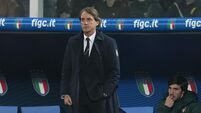
Scolari’s end was more abrupt — a cold, brutal whacking that, in true mafiosi fashion, took everyone by surprise, including the victim himself.
There was no inkling after Saturday’s dour draw with Hull that Chelsea’s executives were sharpening their stilettos. There may have been the odd spiteful chant and cack-handed banner demanding Scolari’s dismissal, but the prevailing mood as fans shuffled along Fulham Broadway was more grim resignation than outright mutiny. The Brazilian’s exit will have shocked the club’s more fair-minded followers. It is never easy to lavish sympathy on a man about to be handed compensation in the region of £10m, but Scolari could justifiably claim that he has been made to suffer for the failings of others at Stamford Bridge.
He was the only Chelsea manager in the Abramovich era denied significant transfer funds yet, with bitter irony, his need to buy was more compelling than any of his predecessors.
An ageing and unbalanced squad needed major surgery last summer but, once he was priced out of a move for Robinho, Abramovich demanded that Scolari heal Chelsea’s deep wounds with sticking plasters.
True, the manager did himself no favours spending what little money he had on the ineffective Deco, but the Portuguese playmaker should merely have been one of a spate of new arrivals to pep a tired side.
Scolari was immersed in international football for seven years prior to his appointment in west London, but he hardly needed to be a student of the English game to know the ponderous and disinterested Michael Ballack and Didier Drogba needed replacing; that Frank Lampard, who fuels Chelsea in the same way Steven Gerrard does Liverpool, was desperate for support; that Nicolas Anelka is unsuited as a lone striker, especially against the stacked defences he regularly encounters on home soil.
At first, Chelsea looked capable of making light of these problems. They attacked with swagger in the autumn and Scolari was feted for giving Chelsea, dour if effective under Mourinho, some Brazilian flair.
But when opponents realised Chelsea could be stymied if their rampaging full-backs were penned inside their own half and Anelka deprived of space, Scolari had neither the resources or, perhaps, the imagination to concoct a back-up plan.
As discontent over training methods bubbled, points were leaked in Europe and, more damningly, to Premier League also-rans. When Hull joined a roll of dishonour already featuring Spurs, Burnley, Newcastle, West Ham and Southend, Abramovich’s patience finally snapped.
Back in July, another interrogator at the Hilton Hotel asked Scolari if he, like Mourinho, would consider himself a ‘special one’. The answer came immediately.
“I am special for my friends, for my family and my country. As a manager? So so.”