Why Andy Farrell should prioritise finding gold over historic All Blacks win
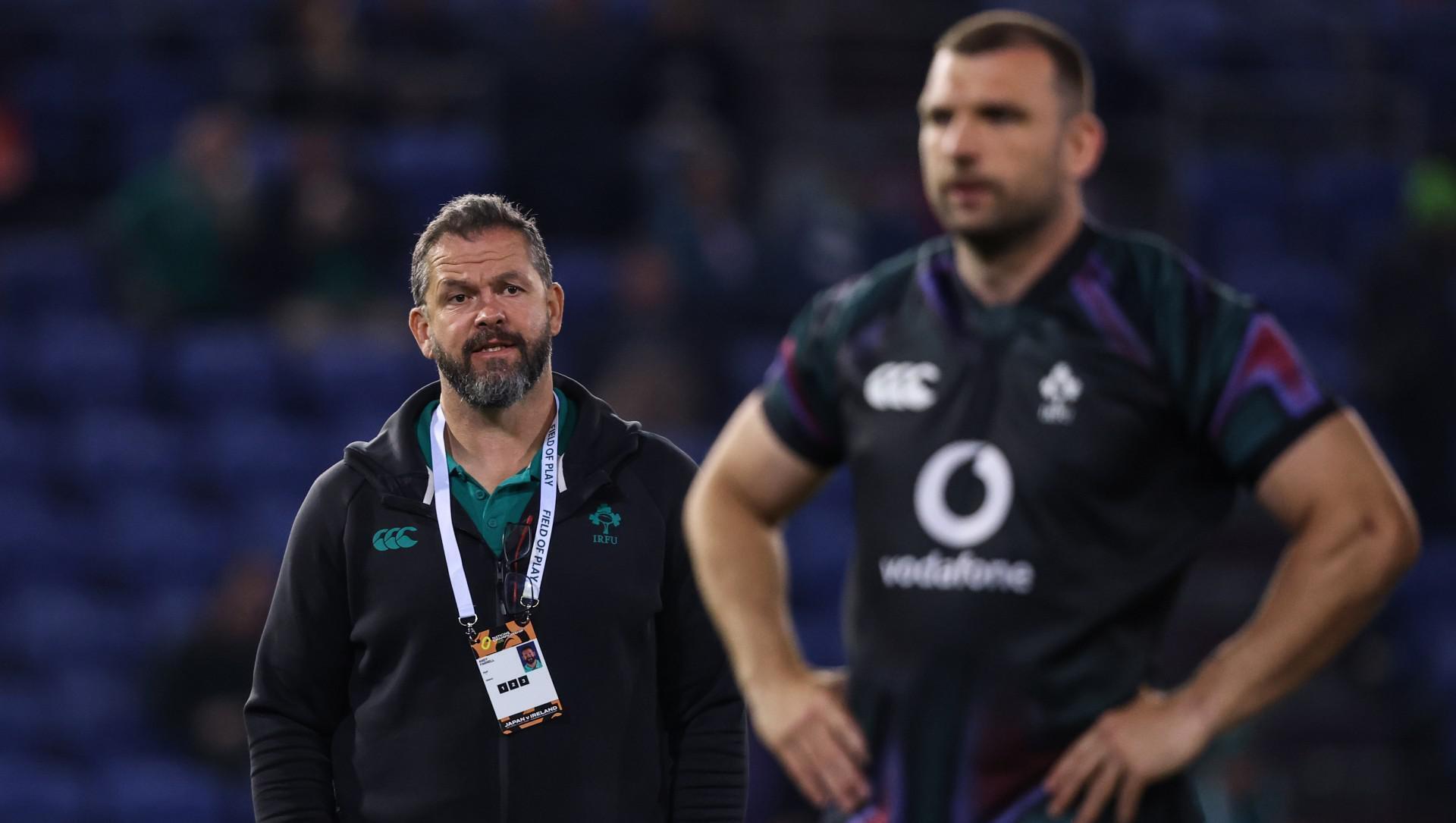
Ireland's Head Coach Andy Farrell and Tadgh Beirne before the meeting with Japan. Pic ©INPHO/Ben Brady
Having scraped past Japan with a second-string side, Andy Farrell is poised to bring back his A-team for their season finale against the All Blacks at Eden Park.
He’ll do so to try and make history, with the All Blacks on a 32-year, 51-Test unbeaten streak at the venue.
But should he bring back the entire old guard?
After all, in mid-2022 Ireland went down to New Zealand and overturned a one-nil deficit to win the series after victories in Dunedin and Wellington. But a bit over 12 months later they were bundled out of the World Cup at yet another quarter-final.
Four years earlier, Ireland achieved a similar thing as Joe Schmidt’s then-coached side also came from behind to win a series over the Wallabies 2-1. Another quarter-final exit followed.
So, having peaked a year out from the World Cup ahead of the past two tournaments, is beating the All Blacks 15 months out from the next edition in Australia the be-all-and-end-all?
Of course it would be nice. But more than that, Ireland needs to continue to grow and build its depth because Farrell’s aging side isn’t getting any younger.
Other than at fly-half, where the ghost of Johnny Sexton is still haunting Ireland, the national side is very much the same from 2022. They’re now just four years older.
That might be OK if they were in their mid-to-late 20s, but most are in their 30s.
From Tadhg Furlong to Tadhg Beirne, Josh van der Flier to Jack Conan in the forwards, Jamison Gibson-Park and Ireland’s meaty midfield, including Stuart McCloskey, Robbie Henshaw and Bundee Aki, the core of Ireland’s playing group is closer to 35 than 30. Perhaps it’s a good thing James Lowe, 34, was effectively moved on.
That’s not to say they’re washed up. Far from, in fact. But there’s no doubt Ireland’s next tier needs more exposure. Ireland’s 36-20 grind over Japan on Saturday showed that.
Elsewhere, other nations, especially the Springboks and France and All Blacks, loom as the front-runners for next year’s World Cup continue to experiment.
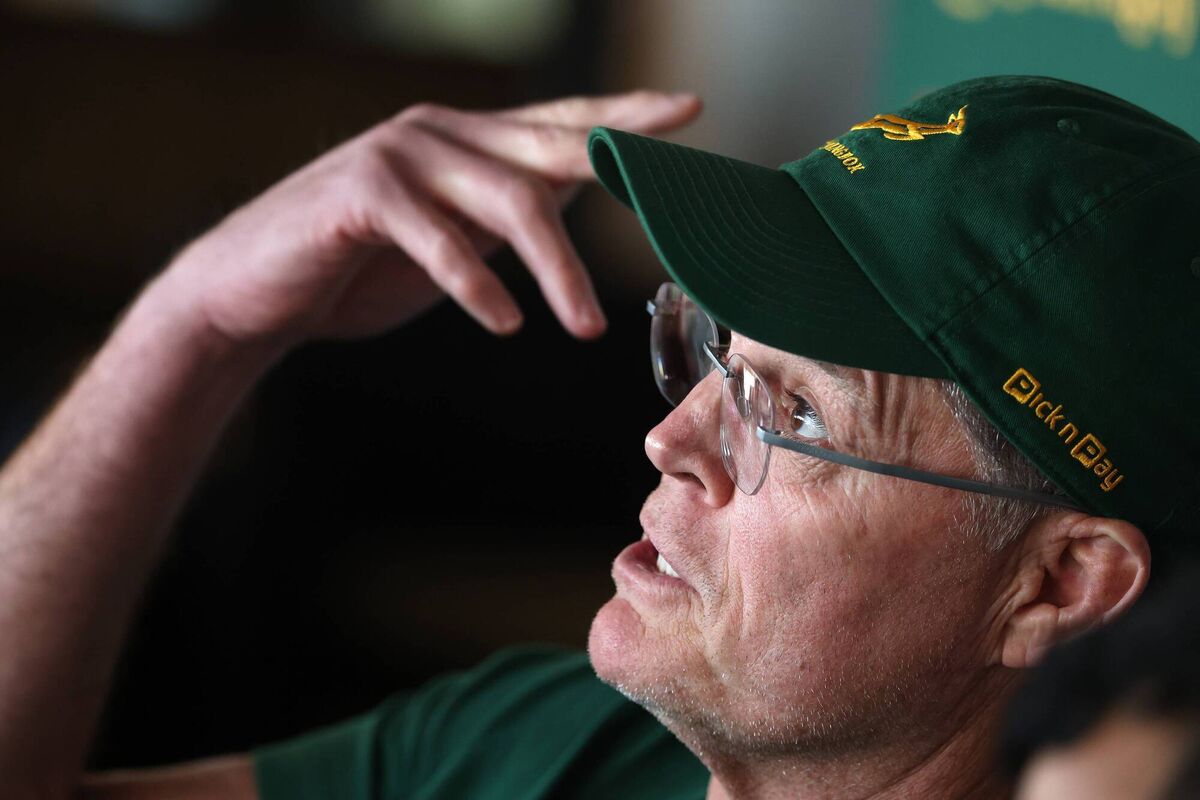
Barely a Test goes by that Springboks mastermind Rassie Erasmus doesn’t play around with his squad.
Fabien Galthie does similarly during the July Tests, but that’s as much to do with their marathon Top 14 season than anything else.
Dave Rennie also bit the bullet on starting Ruben Love at 10 and leaving Beauden Barrett out of his matchday squad.
And while the odd defeat arises, the Springboks’ fumble against the Wallabies last August, for instance, what it’s done is further bulletproof them for next year’s World Cup.
Now, Erasmus has a litany of options in the pack, the halves and the backline. Ditto Galthie, who has a couple of world class options in the halves, including Maxime Lucu who has shown his quality in the absence of Antoine Dupont.
Could the same be said about Ireland, who have embodied consistency for more than a decade but fallen well short of expectations at the World Cup?
Performance director David Humphreys last week told journalists in Sydney that the “World Cup would be nice” but, ultimately, settled on the idea that it’s about performing consistently and if they do that then “World Cup performances will take care of itself”.
But have they?
Not over the past decade, it hasn’t.
It’s Farrell’s prerogative to chase history against the All Blacks at Eden Park.
Good luck.
But with a set-piece as shaky as Ireland’s currently, they’ve got little chance.
Perhaps moving Beirne to blindside flanker will give Ireland the extra bigger and taller body they’ve lacked in July thus far, but they will need more than that to push the All Blacks at Eden Park.
After all, the Irish side of four years ago was better than the current one. They were younger, fitter and faster, led by Sexton, and yet they lost at Eden Park.
So what should Farrell do?
Of course, strive to win the Test. But there has to be a bigger picture at play, and that should be doing everything to unearth another star or two before next year’s World Cup, because Ireland needs to unlock some more jewels.
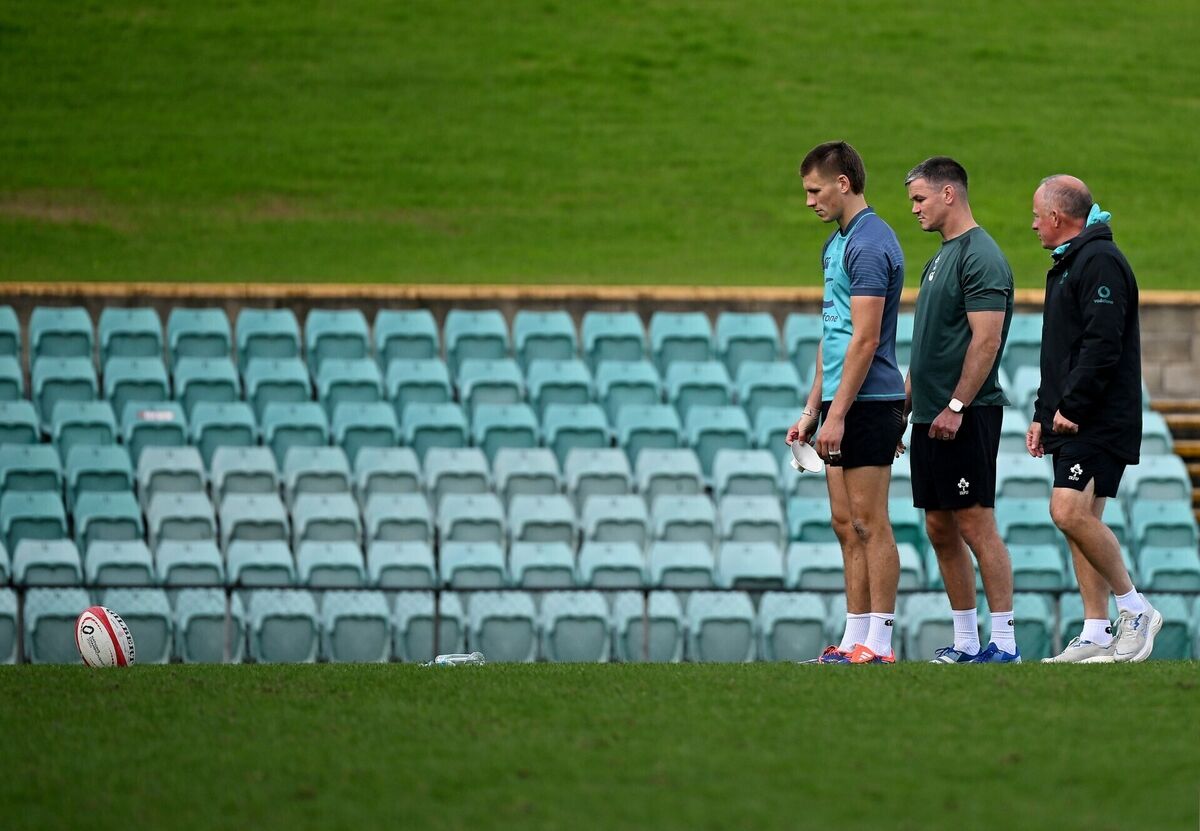
Sean Jansen, the New Zealand-born back-rower, who won man of the match honours against the Brave Blossoms, might be one.
Starting Thomas Clarkson could be another.
But Ireland must find more - and they’ll only do that by exposing them against some of the world’s best Southern Hemisphere nations, not just the also-rans.
CONNECT WITH US TODAY



Be the first to know the latest news and updates