Jockeys and mental health: Delving into the unspoken world of horse racing
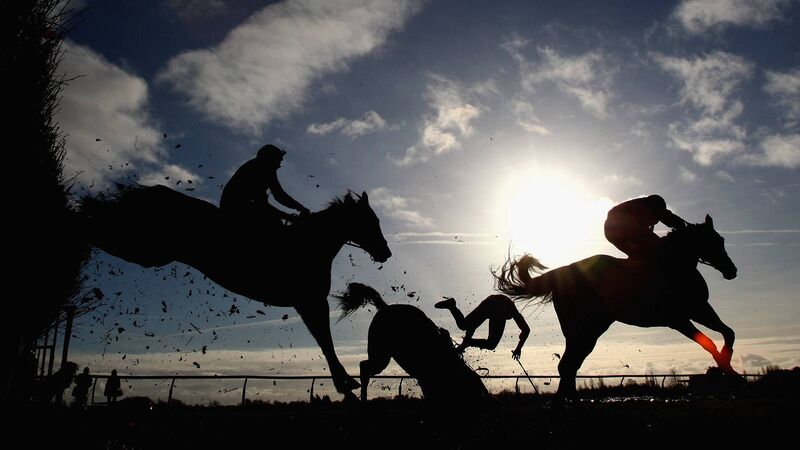
Few disciplines require their participants to make weight on a daily basis, as is the case for jockeys. Most do their jobs while dehydrated and followed by two ambulances. Most do not make a comfortable living. At the severe end, you are a fall away from the grave. More immediate is that you are a lengthy injury away from the scrapheap.
The headline that emerged from the Irish Horseracing Regulatory Body-funded research study carried out by Waterford Institute of Technology PhD student Lewis King on mental health in jockeys was that eight out of 10 met the criteria for a common mental disorder.
According to based on self-report questionnaires, 35% of jockeys met the threshold for depression, 27% for anxiety, 19% for psychological distress, and 61% had an excessive intake of alcohol.
Of the 54 jockeys presenting with symptoms of mental health difficulties, only a third had ever visited a mental health professional. It is unknown but King considers it reasonable to assume that at least some of those visits related to sports performance rather than mental health concerns.
A subsequent study by King delving into the mental health of trainers ( ) revealed just under half of respondents met the criteria for a common mental disorder. Depression (41%) and adverse alcohol use (38%) figured highly. The percentages suffering from psychological distress and anxiety were 26% and 18% respectively.
Only one in five trainers had accessed a mental health professional over their lifetime, with a doctor or GP commonly selected. A far higher percentage of female trainers had accessed support for their mental health in comparison to males.
While not clinical diagnoses — these are response to a particular set of questions based upon validated questionnaires — these are bleak statistics nonetheless, from research that has since been published in two respected medical journals.
That jockeys and trainers would rate far more severely than the national average is no surprise. That they do so at much higher levels than the average for sportspeople is more noteworthy, as is the fact that trainers appear more susceptible than others in the agricultural sector.
Few other disciplines require their participants to make weight on a daily basis as is the case for jockeys. Most of them are doing their jobs while dehydrated and followed by two ambulances. Most of them are not making a comfortable living. At the most severe end, you are a fall away from the grave. More immediate and regular is that you are a lengthy injury away from the scrapheap.
With trainers, there are the normal bill-paying pressures of business owners allied with fighting for scraps in a competitive space, trying to keep staff in jobs that you can pay them for, owners happy and horses healthy and in suitable races.
And rarely, if ever, having a day off.
For both cohorts, social media has made it easier for trolls to persistently call you crooked, useless, or even threaten to kill you at your home, whether you’re 16 or 50.
But there is cause for hope, not least in the services that are emanating from the studies to provide support to the racing industry’s most pressurised stakeholders.
Among the figures to stand out for this writer were the 84 jockeys and 124 trainers who participated in the survey. That represented more than half of jockeys in Ireland and 30% of trainers. In an environment where toughness is paramount and the admission of any weakness has long been anathema, these are promising statistics.
The message was clear. We know this is a problem. We want to face it. We need help.
The research goes right back, a good 10 or 15 years,” explains King. “The first research projects were all conducted around weight-making, hydration, how jockeys are making weight and the negative impact weight making has on jockeys’ physical health but also cognition, amongst others.
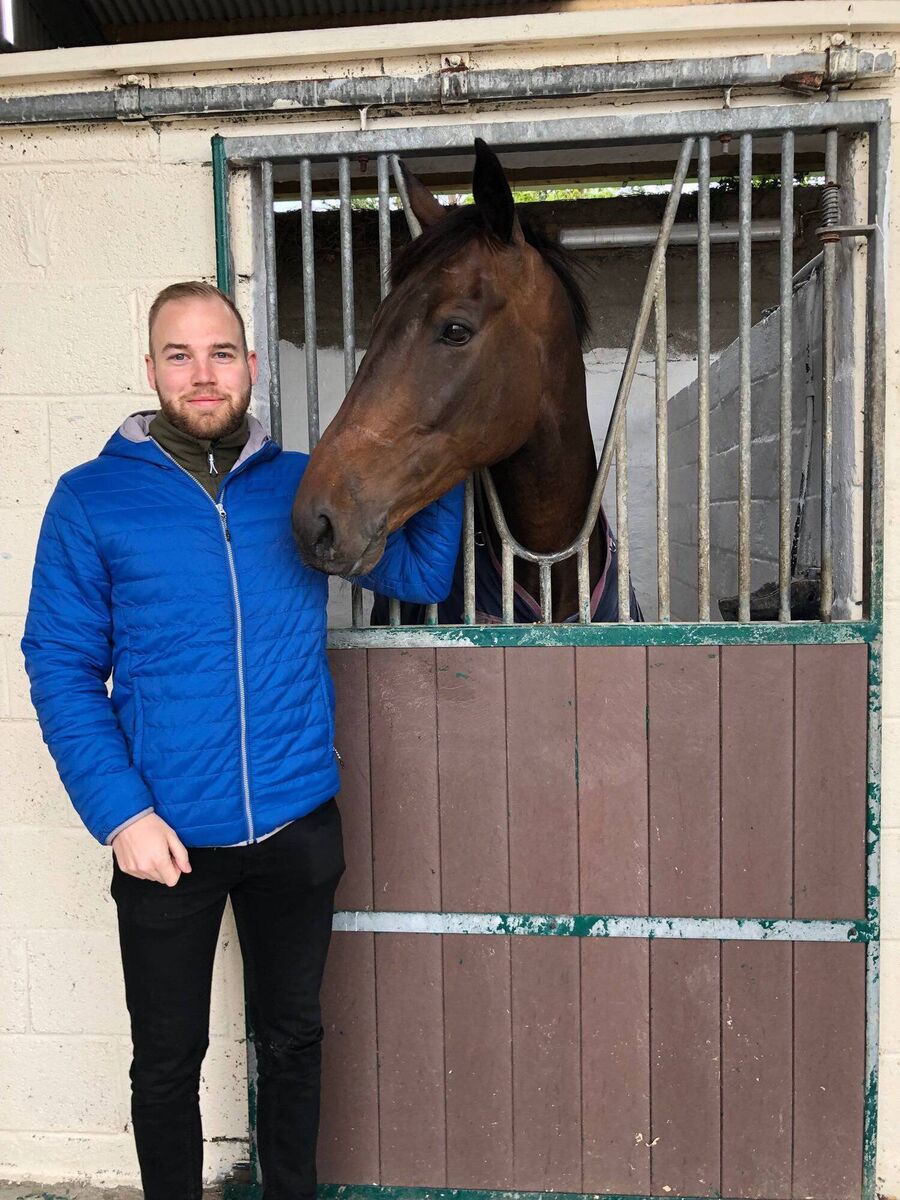
“Then Mikey Kiely (S&C coach of All-Ireland hurling champions Limerick) has just finished his PhD on strength and conditioning. There is also another PhD ongoing at the moment in relation to bone health (conducted by Arthur Dunne). Then my PhD with mental health and another two more PhD students have started. One is exploring the impact of athletic identity and retirement has on jockeys (Laura Langton) and another looking at weight structures in Ireland (Dave O’Neill).
“It’s a very unique position here in Ireland where the IHRB want to keep learning about jockey health and wellbeing. The best thing about the research is it has had a lot of applied recommendations. The way in which jockeys look after their bodies now, the way in which jockeys make weight, the support services available for jockeys and organisational policy are all born out of the research being conducted.”
That this is the case is due largely, though not exclusively, to former IHRB senior medical officer Adrian McGoldrick and his successor Jennifer Pugh.
What drew King to mental health as a topic of acute interest initially was his own struggle. Like any physical injury, it started with a niggle that he shrugged off. He dealt with the gradual cumulative knock-on effects similarly, until suddenly, he was in trouble.
“There was a study in Australia that said, on average, an individual doesn’t seek help for seven to eight years. There is a real substantial waiting time from an individual at the onset of a mental health difficulty and then an individual reaching out to help themselves. I have always had an interest in why this was the case. I experienced really bad anxiety whilst I was at university. It took me almost 10 years before I spoke to an individual about my anxiety. By the time I reached out to help I was at a crisis point from the sense that my mental health was in the worst place that it had been. I wasn’t suicidal but I wasn’t in a great place personally. We all have different sized stress buckets. There is only so much stress you can have in your bucket before it overflows.
“I asked the jockeys, ‘Why, or is there anything stopping you from seeking help?’ It came down to two or three core themes. One was unsurprisingly, stigma. It was the perception that if they sought help and somehow the trainer found out that would be viewed negatively. Some jockeys were concerned they would be replaced by someone perceived as ‘normal’.
“There was also the negative perception from other jockeys. Part of being a jockey is priding yourself on being tough, strong, resilient and hard. There were concerns that, ‘If I seek out help for this, is it going to negatively impact my identity?’ Self-reliance is common in people who don’t seek help. The desire to deal with problems on your own. One jockey explained it beautifully to me. They deal with everything else on their own. They deal with their taxes, they drive to the races on their own. It is not a team sport. And that drifts over to the psychological side of the game. Certain people use certain strategies to get through that. A number of jockeys spoke about using alcohol as coping strategies to get through the tough times.
“The last one is the real low level of mental health literacy among jockeys. There is a negative perception toward treatment. That is where education is important. Jockeys, in my study, were concerned about whether treatment would equate to taking things like anti-depressants and the potential negative impact that would have.
“Where jockeys were concerned about trainers finding out they were seeking help, trainers were then concerned about owners finding out they were seeking help. It’s just this cycle of individuals worrying, that by seeking out help, it is going to reflect negatively on them from a professional perspective. We have got a lot of work to do to try and change that.”
The Jockey Pathway is one example of the provision of tangible, helpful services on the back of the research, with Horse Racing Ireland funding nutrition, S&C, physio and psychology service providers for all licensed jockeys at the industry academy in RACE, which is also home to a bone density scanner.
Meanwhile, a mental health and wellbeing app has been developed in tandem with a UK company and just released to jockeys via a WhatsApp campaign. It promotes reflection, tracking of mood, and keeping journals. King admits that he and Pugh have been surprised by the huge response to it.
HRI’s education and training department Equuip has funded mental health first aid programmes that are a monumental advancement in the industry.
“The more people we have on the ground that have an understanding of mental health and can serve as mental health first aiders, that is going to be really important in having those conversations with people and signposting to other services. I know at the moment there are talks in place for a mental health and wellbeing framework to be delivered throughout the industry.
“You only saw it a few weeks back, Kevin Sexton talking openly about meeting with the sports psychologist after he had a troublesome few years. He is now a Cheltenham and Grade 1-winning jockey. The more we see those sort of things where it is becoming publicly acceptable to use those services, it’s great.
“It’s very different in racing because jockeys are often only exposed to services like sports psychology, nutrition, or strength and conditioning once they have obtained their licence when they are 16 or 18 years old. Whereas in relation to other sports, they are often in a talent development pathways from 10 or 12 for instance.”
Thanks to the Jockey Pathway, this has changed for recent generations of riders coming through RACE, who are exposed to them as part of their course. And with research and service provision more recently for trainers, we can expect similar developments.
“There is a new industry assistance programme being introduced in June. Previously that was only available to jockeys, to gain support from counsellors or a confidential helpline. The new programme is going to be available to trainers as well which is huge. It will include online or mobile app support or counselling and advice on legal or financial matters.
“One of the big findings from my study was around about two-thirds of trainers in Ireland reported experiencing financial difficulties over the past year, and that was before Covid. The big find off the back of that, it was linked to up to 16 times more likely to meet the threshold for one of depression, anxiety or adverse alcohol use. If we could get that financial support in there for trainers early, it represents a great step.
“I do think a break for trainers at the end of each season is really important. I know there are challenges with that, because there is always going to be horses in the yard. But it is really important. In the study, we found 73% of trainers had no days off in the last two weeks and 16% had one day off in that period. 48% had not had a period of three or more days off work in the previous 12 months, with another 37% enjoying such a ‘break’ once. It’s relentless and you can only be on the go for so long.
Now, with his studies almost completed, the 29-year-old native of Norfolk town Thetford would love to remain in Ireland to carry on his work in the industry.
“Because of the nuanced nature of horse racing, there is real scope to develop a bespoke programme that is catered to the racing industry. Trainers for instance, have differing stresses compared to stable staff, jockeys, administration. There is a real opportunity to cater the programmes towards specific sectors of the industry.” So the work continues.
One other statistic from the racehorse trainer mental health study to note. There was a question surrounding career satisfaction. Despite the ratios for depression, anxiety, stress, and alcohol consumption, 72% of respondents described themselves as “incredibly satisfied” with their careers.
King would like to study that too. It’s far from all bad. He is just working to help make it better.