Risks come with the reward for Ireland's halfpipe Olympian
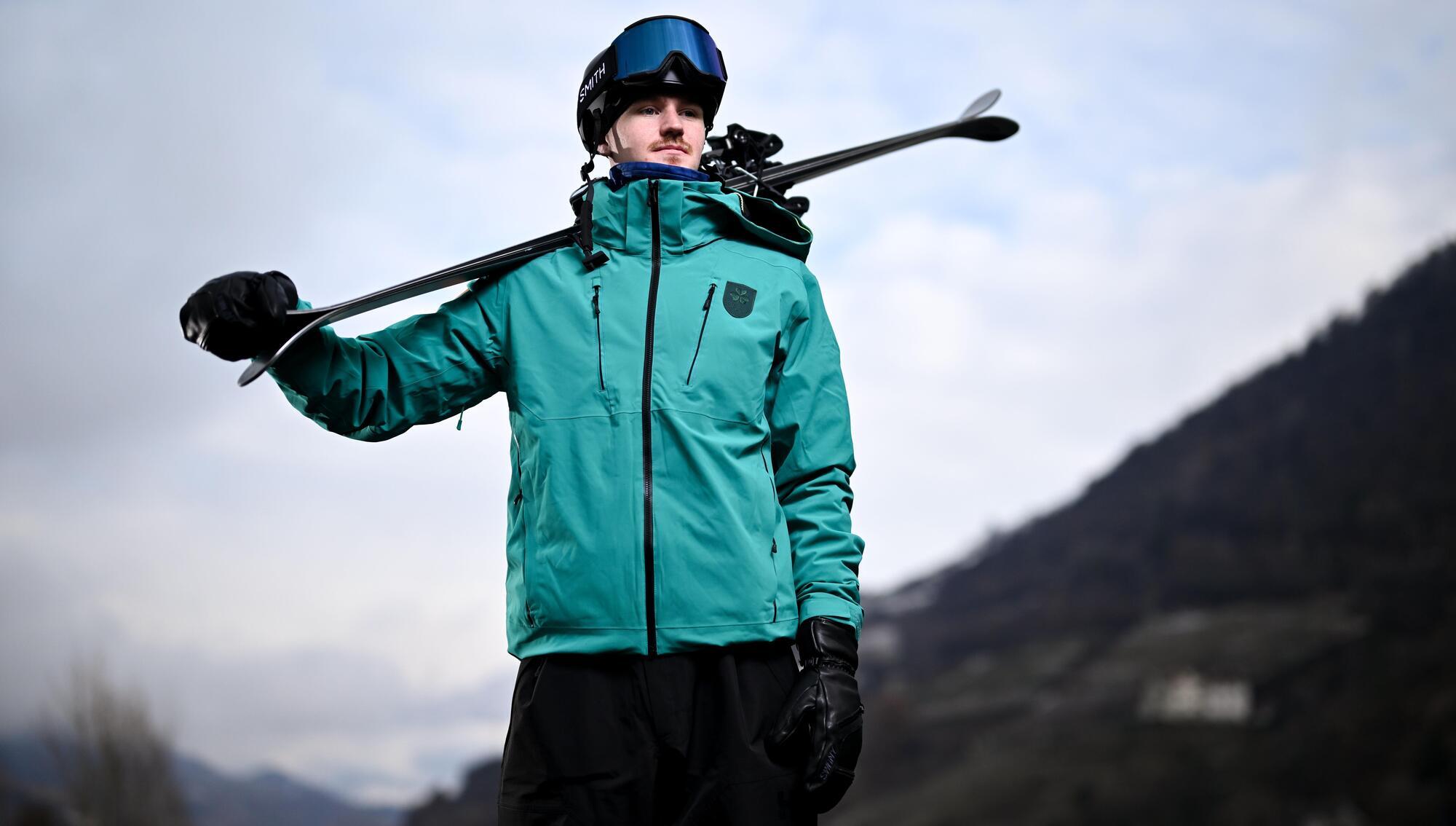
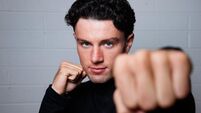
HIGH HOPES: Team Ireland freestyle half-pipe skiier Ben Lynch. Pic: David Fitzgerald/Sportsfile
Danger is factored in to the transactional price of all sorts of sport. Whether kicking a ball, piloting a horse, or climbing in to a ring, we know that the chances exists that the cost could spike far beyond the investment.
That risk-reward is heightened at a Winter Olympics and there probably isn’t a discipline more exposed to frightening losses than halfpipe skiing and snowboarding where athletes perform airborne tricks launched off two 22ft walls of sheer ice.
Everyone understands the small print when the contract is signed.
Canadian skier Sarah Jean Burke died from injuries sustained in a training run back in 2012. It’s six years since Aaron Blunck broke six ribs, fractured his pelvis, lacerated a kidney and bruised his heart by landing on the pipe’s rock-hard lip.
“I pretty much felt like I was on my way to a body bag,” Blunck once said.
Scotty James, an Olympic halfpipe snowboarding bronze medallist in 2018, describes it in pared-down terms. One centimetre or inch, he has explained, is the difference between being where you want to be and where you don’t want to be.
The very nature of a sport that propels people so high in the air – the world record is over 26ft – and demands a landing on that edge of hard ice means falls come in pairs: one on that wall and the other when gravity brings the body down to the floor below.
“Slams are very common,” said James, “it’s just a whole part of the game.”
Ask Ben Lynch, born in Rathmines, brought up in Vancouver and competing for Ireland in the skiing event at Milan-Cortina, what injuries he has suffered in his chosen career and he all but brushes them away as mere trifles.
To be clear: Lynch has broken a collarbone twice, torn ligaments, broken an orbital bone in his face and had a few other ‘head hits’. An old knee injury forced him into an unwanted spell of rehab just prior to the Games starting now in Milan-Cortina.
Now 23, Lynch will tell you that halfpipe tends to be a sport for people under 30 because of the high injury risk and the inescapable fact that you need a “reckless mentality” to sweep down those slopes towards that U-bend day after day after day.
There are ways of mitigating some of the odds.
Lynch warms up every morning, loosening the muscles and joints and avoiding his “gnarliest trick” until he’s good and ready. He skies a bit first, hangs out and laughs with his friends. The thinking is if the mood is good then his skiing will be too.
As for the why in all this? No surprise there.
“Well, first of all, obviously, the adrenaline. It's an action sport. That’s the main factor. There's a lot of adrenaline involved. It's high-risk. But also, skiing is by far the best action sport you can do because you're on the mountains. You're away from the city life.
“There's this calming, freeing feeling to it. There's a lot of, I guess you could say, style or creativity involved as well. It's very cool to try different grabs and do different axes with your flips. It's a very cool sport once you get into it.” Getting in to it didn’t happen overnight.
Lynch’s father Kevin won the Henley Regatta three times as a rower, twice with Lee Rowing Club and once with Trinity, and his brother Thomas has recently won the annual Boat Race twice with Cambridge so a degree of suffering for sport is in the blood.
Skiing came to be his thing, his mum dropping him at the foot of Grouse Mountain every morning and picking him up again come the afternoon. Add in a penchant for flips and spins on the trampoline and his path was set.
“That was where I gained my air awareness, but it takes a long time to really get comfortable on your skis. That’s the main thing, getting used to going big on jumps and to the point where it's not as scary anymore, especially in the half[pipe].” Lynch has been competing since the age of 12, on slopestyle at first and then in the halfpipe from when he was 19. Once a member of the Canadian development pathway, he made the switch to represent his native country in 2024.
Home these days is wherever the FIS World Cup circuit takes him and he recorded a 23rd-place finish at the Calgary World Cup in January of last year. The ambition for these Games is, fittingly given his sport, pretty high.
“Yeah, I would say top 12, even top 10, would be the goal. I think it's fully plausible, if I can put down my biggest run and with my knee fully healed now. Yeah, I could definitely get it done.”
CONNECT WITH US TODAY



Be the first to know the latest news and updates