Cathal Dennehy: Don’t believe all the doomsday hype about the Tokyo Olympics
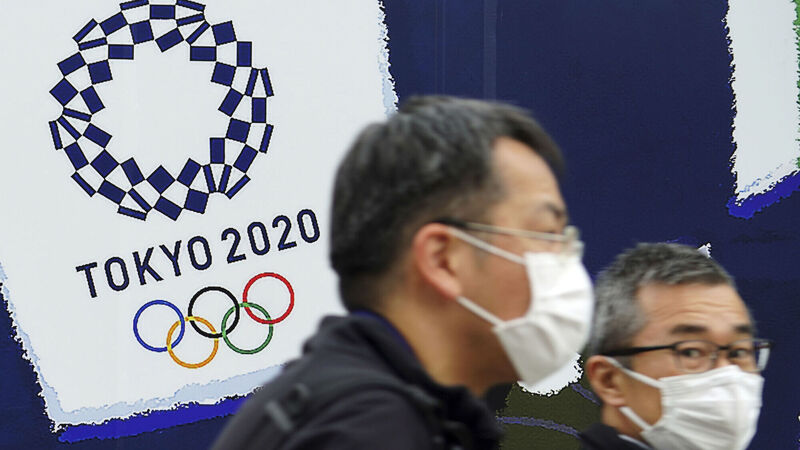
People wearing protective masks to help curb the spread of the coronavirus walk near a logo of Tokyo 2020 Olympics. Picture: Eugene Hoshiko
Here's a headline you didn’t read yesterday: There is growing confidence that the Olympics and Paralympics will take place this summer after Tokyo recorded its lowest daily Covid-19 case counts since November.
You didn’t read it because it wasn’t written, and it wasn’t written because in the build-up to any Olympics, the media’s approach is that good news is no news, and scare-mongering freak-outs make for much better content.
Think about it. Remember 2016, and all those headlines about the Zika virus? Rory McIlroy and Jordan Spieth apparently opted out of the Rio Games because of it, ignoring the fact that the event was taking place in Rio’s winter, which mosquitoes aren’t big fans of and when the risk of contracting Zika was utterly insignificant.
Shortly after the Olympics, the World Health Organization announced the grand total of Zika cases that arose among athletes, fans and support staff during the Games: zero.
The media all but ignored that news, of course, but by then the damage was done. Many events had played out to half-empty stands, with locals priced out of their own Games and foreign spectators by and large staying away after months of scare stories about crime and Zika.
(For what it’s worth, I felt a lot safer on the streets of Rio during the Games than I do on the streets of Dublin, while the dreaded mosquitoes that were out to get the world’s top golfers were nowhere to be seen).
However, this tired old approach is the same for every Games: In Athens 2004, none of the stadiums would be ready (they were); in Beijing 2008, everyone would be suffocating in smog (they weren’t); in London 2012, the threat of terrorist attacks was so great that the spectator experienced would be ruined (it wasn’t).
And so on to Tokyo, and the Games many will tell you are already a write-off, explaining why it’s an impossible task to gather 11,000 athletes from every corner of the world in one place at one time.
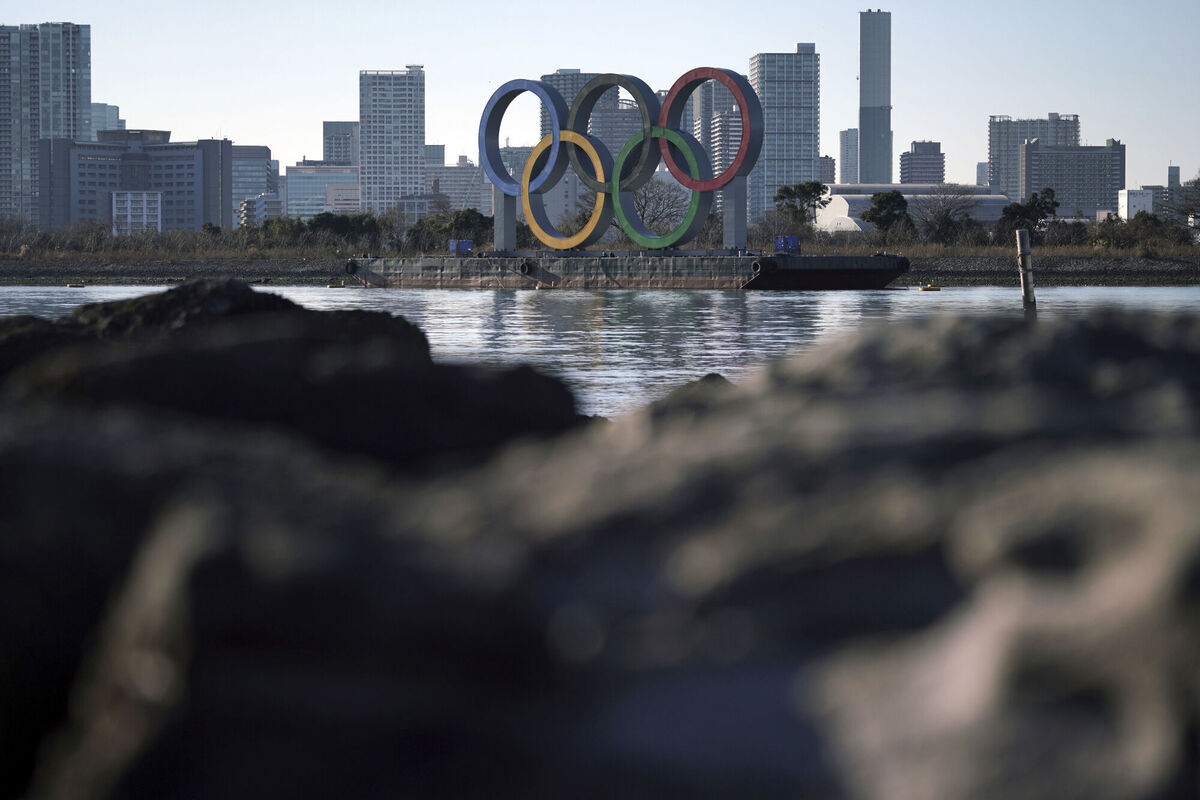
Now, whether they should is a different argument, but the reality many are choosing to ignore is that they can, and they very much will.
So many, it seems, are stuck in the mindset of last April when the thought of staging something so trivial as sport was seen as somewhere between delusional and callous.
However, over the past eight months every sport has found a way to resume, jumping through the PCR testing hoops and enduring every organisational headache imaginable to do so as safely as possible.
The routine is now set: test everyone before they travel; test them when they arrive; quarantine anyone who is positive, and make sure those who are not do not have unnecessary interactions.
From the Super Bowl to the Nicky Rackard Cup, all of sport has found a way to go on, and hosting the Olympics is no different. It just requires an up-scaling of the procedures already in place.
Bogged down by this endless winter, people seem to forget that this virus is far less lethal in the summer months and that the overwhelming majority of the world’s vulnerable will be vaccinated by July. Experts believe that will cut the death rate by at least 90%, so there will be far less reason to freak out about a cluster of cases then than there is now.
However, if they happen, they will have to be behind closed doors, right? Wrong.
Japan allowed 13,000 fans at the Emperor’s Cup football final last month despite the cases being far higher then than they are now and in November, they had 2,000 fans at a gymnastics competition in Tokyo.
And sure, athletes will not be able to mingle in the Olympic village the same way, swapping badges and swiping at each other’s profiles on Tinder, while post-event parties will be strictly outlawed. However, if that’s the price they must pay to fulfil their dream, do you think any of them care?
However, beyond the need to give them a much-deserved opportunity to shine and giving us an entertaining few weeks of TV, here is the real, undeniable reason the Games will take place: money.
The International Olympic Committee has never missed a chance to earn hefty sums off the back of athletic pawns, and they will not miss this one. Three-quarters of the IOC’s revenue come from broadcast deals and from athletics to swimming to gymnastics, the international governing bodies whose showpiece stage is the Games rely on that filtering their way to stay afloat.
However, the key decision-maker here is the Japanese government, and they are hugely incentivised to forge ahead. If the Games are cancelled — further postponement is not an option — the cost will be in the region of €35bn. That will cause a 1% hit to Japanese GDP, one they will not be willing to absorb after the year they have had.
So if you’re looking forward to the Olympics, don’t believe all the doomsday hype that’ll come your way in the coming months. It feels a long time away now, but Come July 23 the Games are set to begin.
CONNECT WITH US TODAY



Be the first to know the latest news and updates