Ireland's Olympic 49ers can prosper at Guanabara Bay
Rios’s seven racing courses will each present distinctive and frequently complex conditions to contend.
Unlike the London 2012 venue of Weymouth & Portland with it’s generally breezy prevailing south-westerly weather pattern, Rio is famed for it’s light and shifty airs that could easily give way to stronger conditions if a weather front passes over.

For Ireland’s Annalise Murphy in the Laser single-handeders, Rio will be a more challenging prospect, where she’s unlikely to enjoy the winning streak that set her up for the medal race final in 2012 where she so narrowly missed out on a podium result.
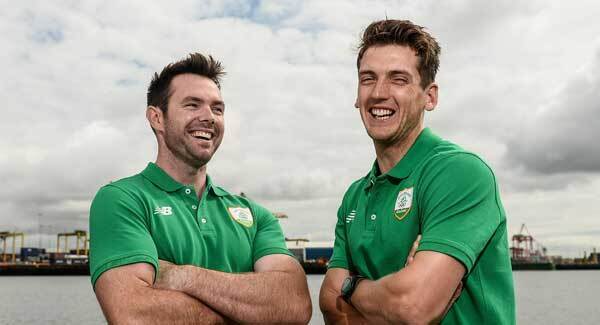
But the conditions could be just what the 49er skiff event needs to break the run in form for four-times consecutive world champions and 2012 medallists Peter Burling and Blair Tuke from New Zealand as Ireland’s Ryan Seaton and Matt McGovern hold form as medal race final prospects.
In keeping with previous games, much has been made of problems affecting the venue and yet another twist in the sailing event saga occurred at the weekend as the large slipway ramp used by almost all the classes buckled.
Repairs are ongoing and organisers blamed exceptional weather conditions including big waves and a high-tide at the normally sheltered Marina da Gloria site located well inside Guanabara Bay.
In reality however, red-faces aside, even if the repairs to the slipway are not deemed satisfactory or remain unsafe, the boats in the 10-event regatta can simply launch from another nearby slipway, albeit marginally further from the shore-side activity centre and not adorned with Rio 2016 logos and fancy carpets.
After all, virtually all of the 377 athletes in the regatta have been preparing for the next fortnight for at least the last four years; they’re hardly about to let a dodgy slipway stop them getting afloat.
Take the zika virus fears surrounding mosquito bites.
While medical advice certainly confirms the risks, counter-measures such as repellent sprays and netting can help offset the risk.
Another factor is that the Olympics are taking place in the southern hemisphere winter.
And although Rio is almost on the Tropic of Capricorn, the intense heat associated with mosquito season will be absent for most of the games.
Meanwhile the water quality issue has been identified and many athletes will confirm their own occasional encounters and near-misses during training periods and build-up regattas at the venue.
But these encounters are far from the image of weaving through a race-course strewn with furniture and human cadavers as far as the eye can see.
For sure, the risk exists but with preventive measures from the Rio organisers in place, it’s a risk that all competitors face equally so they’re simply getting on with their task
and relishing the prospect of realising their Olympic dreams.