US Open: Three of Shinnecock's card wreckers

Rory McIlroy walks to green on the first hole during a practice round for the U.S. Open golf tournament at Shinnecock Hills Golf Club. Pic: AP Photo/David J. Phillip.
Called Redan, this hole is famous – infamous? – for what occurred in 2004 when play was halted because balls would not stay on the green. The green had to be watered because of the severity of the slopes. The tee shot is visually challenging because it lures you into aiming right, where most of the trouble is. Hitting it left, even missing the green, is the play. Phil Mickelson did that during the final round in 2004 when it looked like he might win, purposely hitting his tee shot into the bunker, from where he got up and down. This is the most famous green on the course and a test where par will be good all week.
Called Eastward Ho, this is an example of length not being everything. This hole’s trouble is mostly on the green, a difficult putting surface with plenty of trouble around it. The hole is actually a good birdie opportunity if players elect to try and play their tee shot all the way down to the bottom of a hill. That brings trouble into play which is why many choose to lay up their tee shot at the top of the hill. A smart play, perhaps, but one that leaves a mid-iron into a brutal green and all that surrounds it. Those who play safe can find it just as difficult as those who are bold.
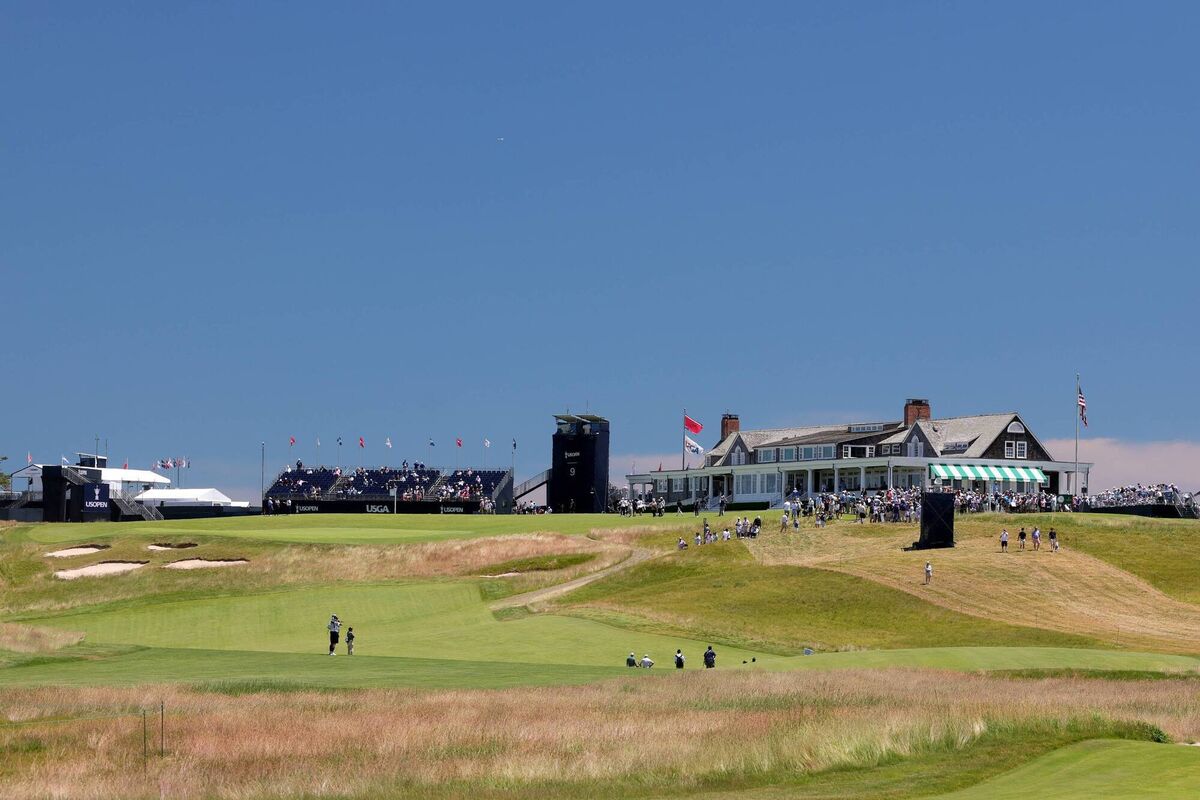
Called Hill Head, this relatively short hole sees wind that is slightly down and off the left to a green that can barely been seen from the tee because the last 50 yards are up hill. No matter where the hole is located, the play is to barely land the ball on the green and to the middle or just short of the middle. Lee Trevino once referred to it as “the shortest par-5 in the world.” There are four deep bunkers that front the green but it is treacherous going long, as Brooks Koepka found out in 2018 when his tee shot traveled too far that he was in a horrible lie, pitched onto the green and rolled all the way across into a bunker. From there, he left himself a 12-footer that he made for a “great” bogey and one that likely saved him the tournament.
CONNECT WITH US TODAY



Be the first to know the latest news and updates