Padraig Harrington still explains the mental game of golf like few others can
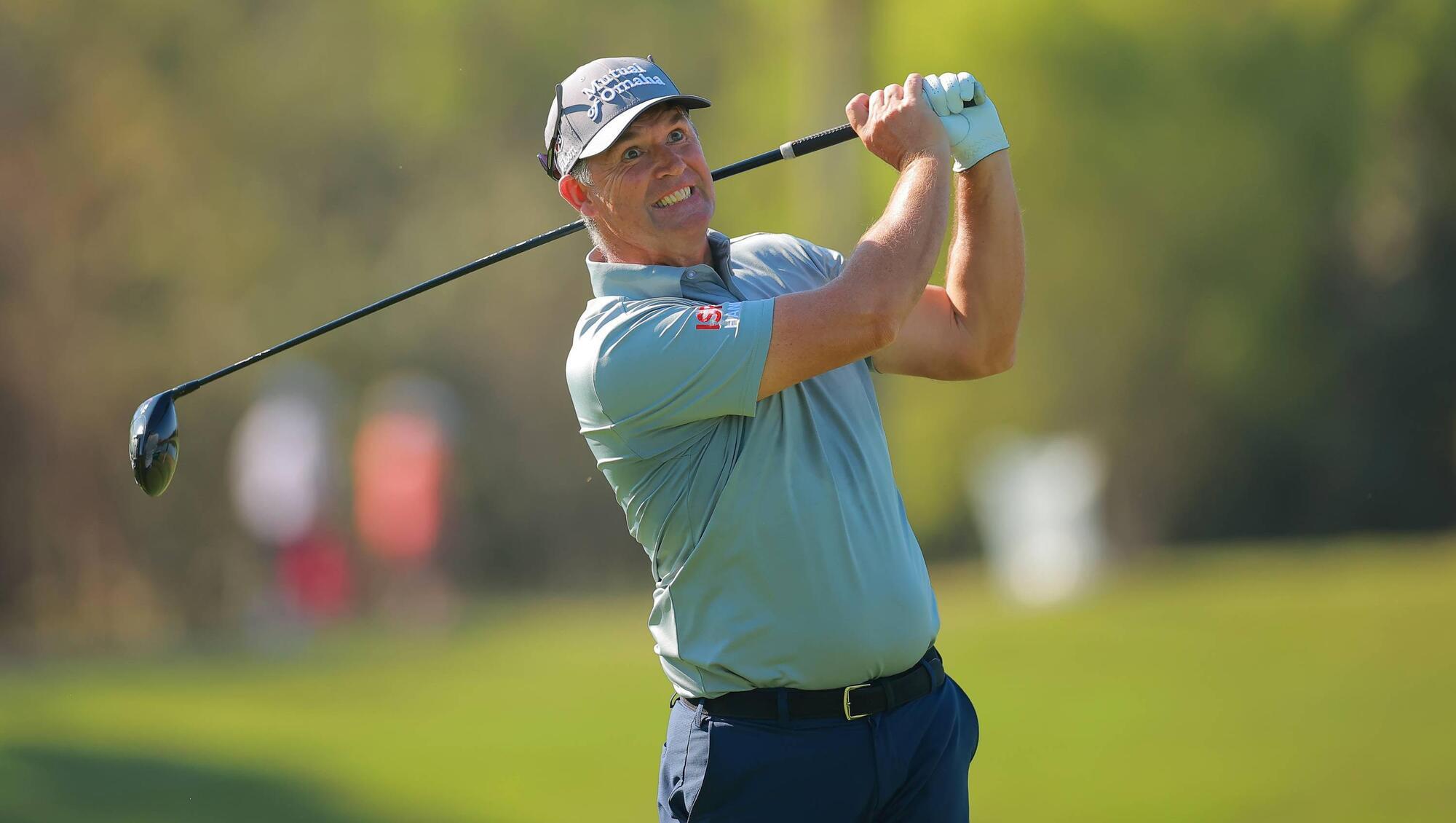
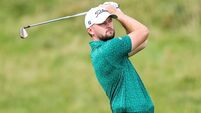
Padraig Harrington of Ireland plays a tee-shot during the final round of the 2024 Mexico Open. Picture: Hector Vivas/Getty Images
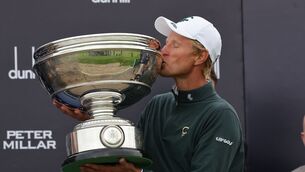
Pádraig Harrington was standing on the 15th hole over an eagle putt on his way to a seventh win on the PGA Tour Champions in the Hoag Classic last weekend when his hand slipped and the alarm started sounding.
For the preceding three rounds that grip had been faithfully steady. It was a shot that demanded a right-edged putt, but it scarcely started centre and swept left a foot short of the cup. He settled in that stance familiar to anyone who has swung a club in anger: a hands-on-hips, bowed head with a silent scream and final disappointed glare at the ball before following it and tapping in the birdie.

Suddenly it started to slide. He snap-hooked it way left from the tee to eventually double bogey the 16th. At this point, it brought to mind an interview the Dubliner did last year where he spelt out what is becoming a lifelong mantra. He would go on to touch on a similar theme post-victory.
“There is no physical problem with me competing,” Harrington told the No Laying Up Podcast in the aftermath of a top-30 finish at the US Open.
“It is definitely mental. The same mental thing that it would have been 25 years ago when I was starting off in the Majors. Believing that you are good enough.”
That sweet spot isn't always a straight drive down the fairway. This is a meritocratic pursuit. You have to earn it.

“I was always good under pressure,” he said. “When my back is to the wall with no other choice, I tend to play my best golf in a one-off situation or for one shot. You can’t do that for 72 holes.
“Standing on the first tee with your back to the wall at that stage, it is a long week. I’m pretty good if it came to the 18th hole and I’d no other choice. I tend to play tough holes well and easy holes badly. That is my burden in life.”
That creed is a constant feature of his career, the par-4 of his nearly three decades as a pro. We know so because the three-time major winner consistently says so. At the top level, it is 99% mental. What marks Harrington out is his ability to describe and demonstrate that fact.
Whether it be toiling around a California course on the Seniors circuit or via informative social media coaching clips that initially provided a brief reprieve from the monotony of lockdown, he has an invaluable ability to explain the infuriating tribulations that the game guarantees.
Some pros radiate an other-worldly aura, operating in a sphere that bears no resemblance to the everyman’s weekend round and the turmoil that inevitably accompanies it.
Cursing out clubs and golf balls, bemoaning one’s own incompetence or inability to fully comprehend the difference between waterproof and water resistant. Harrington has a way of articulating his game that makes him seem like one of us, just miles better.
Everything is propped up by that psychological tentpole. There is a fine balance in fairway design and pin positions, he stresses, between challenging golfers and frustrating them. (The sweet spot is to try and make the target score between four and eight under-par, apparently.) In his mind, there is a world of difference between preparing for Thursday morning and getting ready for Sunday. A golfer has to peak for the final round.
His father, Paddy, was an ultra-competitive footballer for Cork who later helped build Stackstown Golf Club as an outlet for Garda personnel. Notorious Dublin criminal Martin ‘The General’ Cahill once dug up the greens there in retaliation for surveillance operations. It resulted in the only other job Pádraig Harrington ever had, patrolling the car park as a makeshift security guard for the subsequent few weeks.
Harrington routinely speaks admirably about his father’s conquering golf mentality in the face of technical limitations. Over and over again, he offers nuggets and examples to the wider world of how to form one of their own, how they can hone their mental short game.
Sometimes the tips are remarkably simple. Consider his perspective on the practice range. When he grew up, there were no range balls. Everyone hit their own. That meant gathering your own. A generation has missed out on this instrumental exercise.

For the Dubliner who has now ticked towards 38 career professional wins, this is one of the greatest joys in golf. Hit your balls while paying precise attention to where they are being directed, go pick them up and reflect on what you have done and what you are going to do.
Harrington is back on the PGA Tour this week to compete in the Houston Open on a sponsor’s invitation. Compete is the appropriate word. That is his primary ambition right now.
He tops the leaderboard of a class that will be inducted into the World Golf Hall of Fame this June. There are only a handful of ways to embolden this legacy. Wins are the currency that matter most now. Chasing the same dragon as so many others on all kinds of levels.
During one of those lockdown office videos, Harrington went through the two books that changed his fundamental approach to the game. One was ‘The Chimp Paradox’ by Dr. Steve Peters. The other was his bible: Bob Rotella’s ‘Golf Is Not a Game of Perfect’.
In that guidebook, Rotella breaks down the difference between training and trusting, short-game drills, pre-shot routines and a host of other mechanical basics that can make all the difference. Every chapter is underpinned by the importance of a player’s attitude.
Boil it down and it is about how the best golfers strive to minimize mistakes, but they don’t expect to eliminate them. You know the rough is there but you can't always avoid it. Crucially, they understand that it is most important to respond well to the errors they inevitably make.
Back to last weekend. Ultimately, the former Ryder Cup captain beat the challenge of Thongchai Jaidee by a single shot. He recovered from that double bogey to birdie the second last.
On the 18th green, he stood over a crucial birdie putt. Once more, it started slightly left. The ball caught the lip and agonisingly spun around the whole cup. Harrington’s face broke out in a desperate grimace and his knees momentarily sagged, then it dropped in.