What is Team USA’s plan to block out the home noise? Don’t
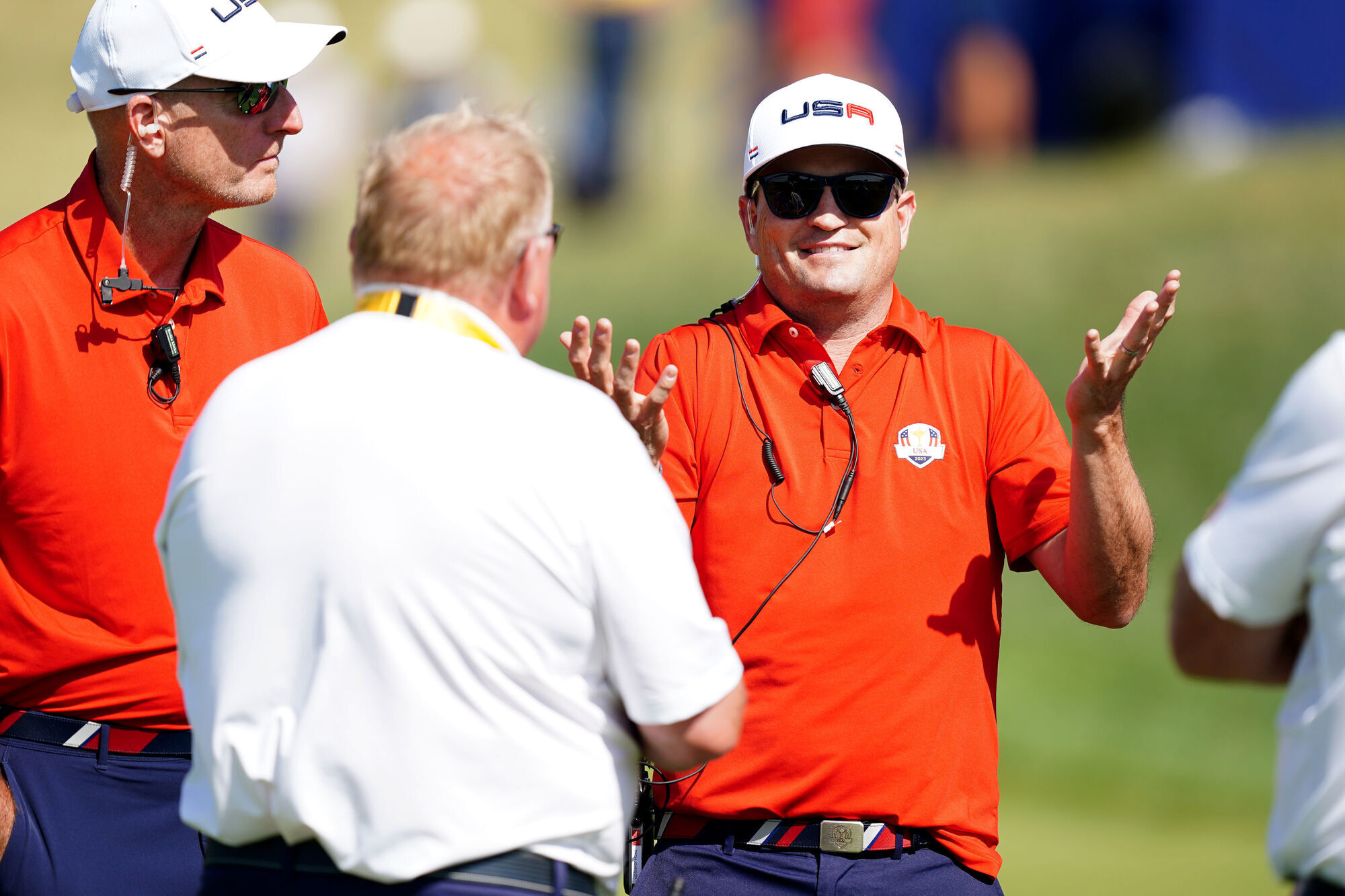
BRING IT ON: USA Captain Zach Johnson in conversation with officials as he watches his team during a practice round at the Marco Simone Golf and Country Club, Rome. Pic: Mike Egerton/PA Wire.
There is always a yarn. When it comes to the Ryder Cup and vicarious support, it tends to spawn all kinds of memories and spinoffs and a fair share of controversy. The case of Tom Watson flying in a US choir was one of slapstick hilarity.
The year was 2012. Gleneagles in Scotland was expected to offer fiery backing for Team Europe. Early in the week, a headline appeared in an English tabloid: U.S. skipper Tom Watson has hired a choir to travel to Scotland and sing American anthems to drown out the home fans.
When then-player and current captain Zach Johnson was asked about it at the next day’s press conference, he was perplexed. The problem was one of context. At the Ryder Cup, media are provided with transcripts of all press conferences. Some take place at the same time as practice rounds. Players revolve in, one after another. If a hack is otherwise engaged, they can still read the quotes from the media room.
Watson had been asked a question the day before. It was a joke about ‘deep-laid plans by the PGA of America to import your own choir’ and match the home crowd. Watson apparently did not quite get the question but replied with a yes and mentioned hearing chants of ‘Oles’ vs ‘USA.’
From that the comical headline was born. A quip matured to a news line.
So far in Rome the prevailing theme is the crowd. Golf’s typical civility is suspended for the Ryder Cup. The order is to bring the noise. At Whistling Straits the natives gladly obliged, although occasionally it did curdle and move from boisterous to toxic.
That was an unusual tournament in many respects. Covid limitations dramatically reduced the presence of travelling supporters. Now the tables have turned and the welcome will be drastically different from the moment the Americans walk in the front door.
The gigantic grandstand at the first tee has been another consistent topic of conversation, an amphitheatre-like structure with Roman arches literally painted on its blue back.
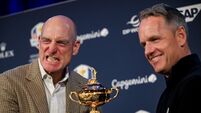
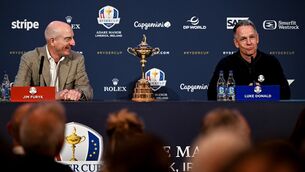
How will they block it out? Well, why would you want to? Captain Johnson was adamant that the opener is one of the best spectacles in sport. Their opportunity, not a threat.
“I think if you can understand that not many people get that opportunity. That is a pretty awesome opportunity. So relish it. Savour it, want it, embrace it, all of that. Knowing it is not going to be easy, but at the same time you can kind of flip that.
“You can kind of flip it mentally and say this is where I belong and there is a reason why it is big, because this is the best sporting event in the game of golf.”
Johnson’s first cup was at the K Club in 2006 under Tom Lehman. He wasn’t rolled out for the morning session but still remembers getting notice to be ready for the afternoon.
“My wife went to the first tee and prior to that, obviously, the veterans are saying, ‘we did this. We were going to do this, we changed.’ You hear all the stories of how their nerves are going, and they are unsettled. And my wife comes back and goes, "It is so loud out there."
“I am like, ‘Great.’ And she goes, in a really simple, yet profound manner, ‘They quieted down a little bit. The guy grabbed his club, put a peg in the ground, put a ball on it, hit it down the fairway and found the green.’
“It is still just golf. I mean, it is. If you can get to that point from a focus standpoint, it is still just golf. But it is also the best.”
His players were all on message. Xander Schauffele mentions how journalists love to cover it but ultimately it is just one shot. Justin Thomas wants to embrace the occasion. Patrick Cantlay plans to lean into it. Feed on it.
“I like it. It is a great change and change of pace from the normal tournaments that we play. I think it is definitely the idea to turn it into fuel and try and internalise it. Frame it in a way that helps you and propels you forward, as opposed to getting in your way.”
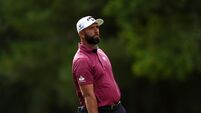
Cantlay is likely to be a particular target given his reputation for slow play. His current team-mate Brooks Koepka labelled him “brutally slow” in the aftermath of the Masters in April. The eight-time PGA Tour winner dismissed that as not a big deal but on the possibility of heckling for his pace, the response is agreeable: bring it on.
“You want people to care and try get under your skin in this tournament so I'm looking forward to it.”


CONNECT WITH US TODAY



Be the first to know the latest news and updates