The Masters preview: Re-designed 13th hole at Augusta could prove unlucky for some
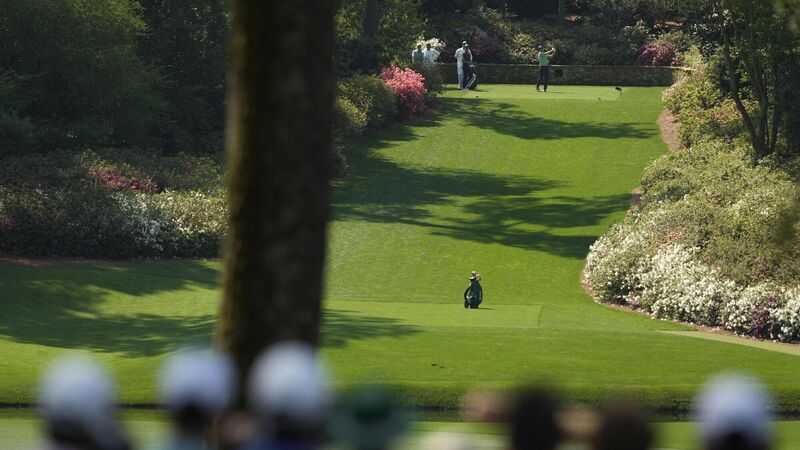
RISK AND REWARD: Zach Johnson watches his tee shot on the 13th hole during a practice round for the Masters golf tournament at Augusta National Golf Club on Wednesday, April 5, 2023, in Augusta, Ga. (AP Photo/Charlie Riedel)
Both the R&A and USGA presented a new model local rule proposal last month that would roll back the distance the golf ball can fly for the game’s elite male players by 2026.
Augusta National Golf Club decided it couldn’t wait that long to address what modern players and modern equipment has done to the formerly risk-reward par-5 13th hole.
All Augusta had to do was push the tee back another 35 to extend the hole to 545 yards, putting drivers in the players hands and forcing them to make the “momentous decision” that Bobby Jones expressed regarding the second shot to the green guarded in front by a tributary of Rae’s Creek.
To acquire those 35 yards, all the club needed to do was fork over $26 million to by the ninth hole of the adjacent Augusta Country Club, which ran parallel to Rae’s Creek behind Amen Corner. They also paid to construct two brand new holes on their neighbor’s Donald Ross course.
Simple really. What’s all the fuss about needing new balls when you can just whip out your checkbook and rebuild one of the game’s most iconic holes?
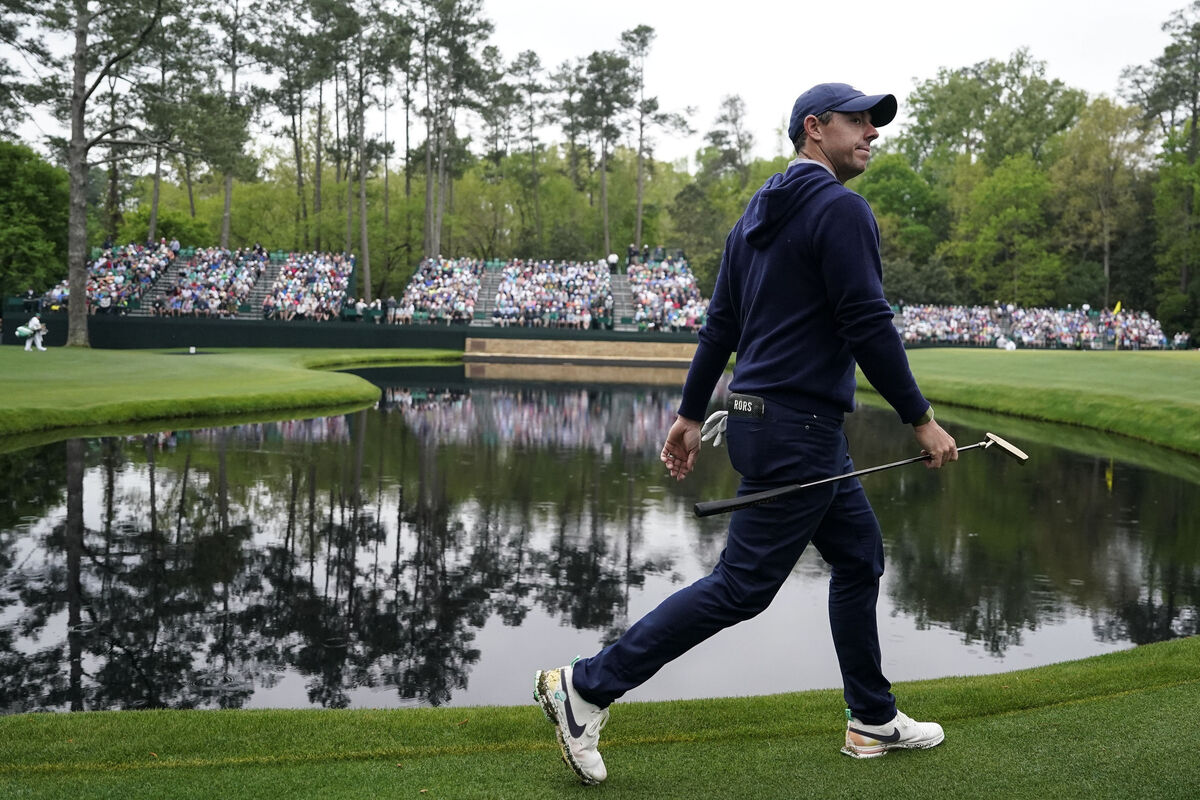
Rory McIlroy favors the rollback proposal for exactly the reason that Augusta’s 13th hole represents.
“Augusta National have lengthened the 13th tee, and they have gone to great lengths to do that in terms of the money that was spent and everything else that goes on around it. Not every golf course in the world has that luxury,” McIlroy said.
“To me, if we really want to keep the old, historical venues relevant, if that's something that's really important to the game of golf, then I would say that this (model local rule) is a step in the right direction.”
Late Masters chairman Hootie Johnson suggested 20 years ago that Augusta National might create a “Masters ball” to combat the distance gains that tournament participants have steadily made through the years.
Current chairman Fred Ridley, a former USGA president, said his predecessor was largely making a point with his ball suggestion, but that ANGC and the Masters would likely follow whatever the R&A and USGA decide to do.
“Generally, we have always been supportive of the governing bodies. I've stated that we believe distance needs to be addressed. I think the natural conclusion is, yes, we will be supportive,” Ridley said Wednesday.
Ridley has stated his desire in the past to wait for the governing bodies to address the issue, but ultimately decided the par-5 known as Azalea couldn’t hold its own any longer with players turning 3-woods around the dogleg and hitting short to mid irons into the green.
The hole originally measured 480 yards and has periodically grown longer as each generation made it look too easy. Through 2022, it was ranked the easiest on the course with a scoring average of 4.77. In 2019 when Tiger Woods won, it yielded a record average low of 4.47 – one-tenth of a stroke easier than the par-4 fifth.
“After careful evaluation this summer, we moved the tee back, adding 35 yards to the scorecard,” said Masters chairman Fred Ridley. “We believe this modification will put a driver in play more often and restore the element of risk and reward that was intended in the original design of the hole.”
There is a natural fear that tampering with the design of one of the most beloved holes on the Masters course would kill some of the drama that has unfolded over the years when players make eagles and incite the roars that echo through the pines. We will get the first taste of it this week, though the foul weather forecast will likely make it play even longer and dampen opportunities to go for it.
Many players, including Shane Lowry, indicated they are more likely than not to lay up and try to make birdies with wedge instead of taking on the creek with fairway woods or hybrids off a banked lie with the ball anywhere from 12 to 18 inches above the feet of right-handers.
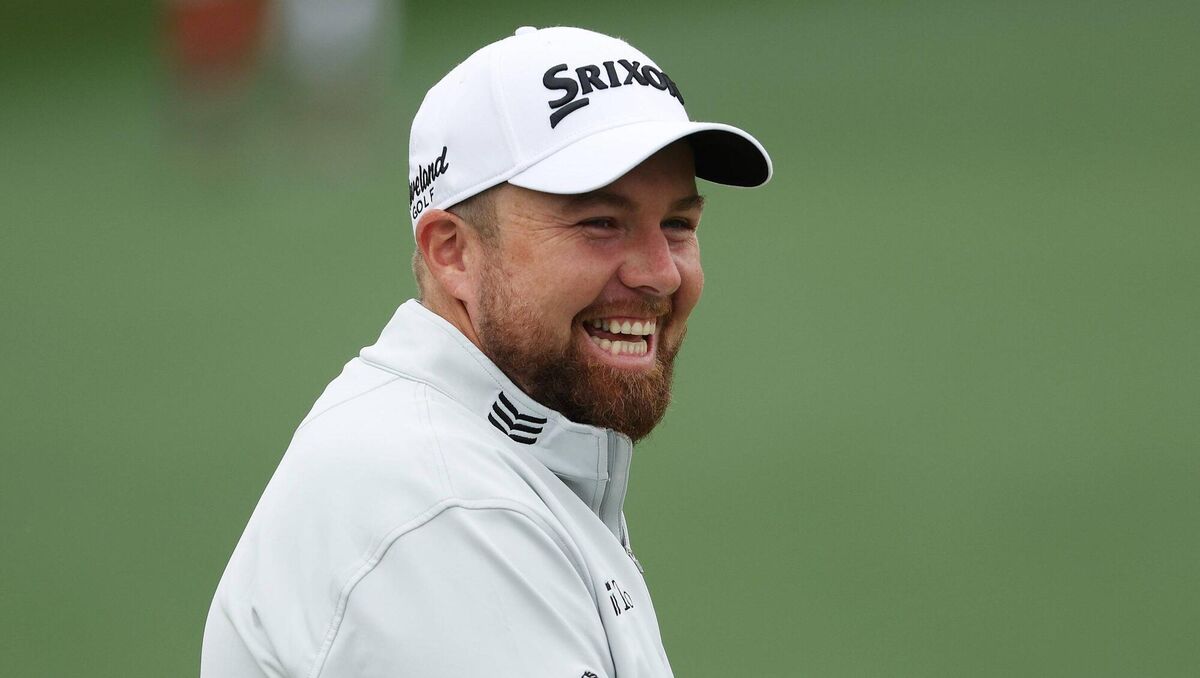
“Thirteen is for me probably going to be a three-shotter,” Lowry said. “A good drive is 220, 230 front so it is very risky going for that. It is very much risk-reward. If you are standing there Sunday with 220 front and you have to go for it that will be interesting, but for me I see myself probably laying up and leave myself a good number.
“I’m not disappointed at all with the change, it is probably going to make the hole play a little bit harder. I don’t think it makes it play worse.”
Ridley believes the change will have the desired effect of identifying the best players by putting more risk of bogeys or worse into the equation, thus offsetting any lost excitement from reduced eagle chances.
“While I think you may be right that the data will show that more players will lay up, I think for a still large number who will go for the green in two, I think it's going to be a much more challenging and a much more exciting shot,” Ridley said.
“And I certainly look forward on Sunday to having someone in competition with a 3- or 4-iron in their hand or even a hybrid hitting their shot into the 13th hole rather than an 8-iron. I think on balance it's going to prove to be the right decision.”
Séamus Power said that though the hole is now harder, the tee shot is actually easier “because you’re basically just hitting it straight out. But the second shot is more difficult and more decisions to be made,” Power said.
“Yesterday I had a good one and had 220 to the hole and 4-iron into the wind. You kind of realise the severity of the slope when you have that length of a club in your hand. It becomes a tough second shot.
“I think it’s a very good change. I think it’s designed actually the way it’s meant to be played where they want you to have to make that decision with the second shot.”
CONNECT WITH US TODAY



Be the first to know the latest news and updates