Mike Quirke: Eamonn Fitzmaurice the antithesis of an ATM coach
Now, we know the ‘spoofer’ is far from an endangered species at club level. In fact, club football is dealing with an infestation of guys coming in and taking considerable amounts of cash, flying by the seat of the pants and living off a few decent results.
I call them the ‘ATM coaches’ — people who treat clubs like cash dispensers but put very little quality back in by way of individual player or team improvements.
The golden rule of the spoofer is to never stay anywhere too long . They’re afraid you might actually find them out, normally a two-year stint is the max and then they are off to the next stop on the circuit.
In recent years, and particularly this season again, we’re seeing some cross-breeding taking place, with some of the ‘spoofer’ species making their way to the top level of the Gaelic football food chain — inter-county level.
I’ve been very fortunate to play football and basketball at a high level most of my life, and come into contact with coaches from different counties and countries. I’ve been coached by some of the brightest, and also some of the dullest minds out there. I’ve come across an assortment of styles and philosophies, but amazingly they’ve all had one thing in common; somehow, most thought they were brilliant.
I remember when I started taking the game more seriously, Bomber Liston urged me to get a big diary and record all the good stuff I pick up from coaches along the way; “be like a sponge” he told me. I recorded the drills, the games, the runs, the theme of meetings and pre-match talks — everything.
I kept that up for years, religiously documenting the best parts of what Páidí Ó Sé, Jack O’Connor and Pat O’Shea’s brought to the table, as well as former high level basketball coaches from America. All were fantastic coaches and managers, but each were completely different with their own way of getting things done.
Eventually, several years on and two full diaries later, I figured I knew it all and stopped.
I think that’s what happens to most good spoofers, they start out genuinely enough, but quickly get to a point where they win a few games and start to think they have it all figured out and just stop growing.
I’m currently studying for a Master’s degree in Performance Coaching, and it was only when I started the course, that I realised how little I know about coaching, and how much work and knowledge it takes to make a good one.
Of course it doesn’t take a college degree to make a good coach, but the best one’s never stop learning.
The text books tell us that coaching is a dynamic process; more concerned with developing relationships and trust with one’s players as opposed to throwing out a few cones and running a drill or conditioning session until somebody throws up. The best coaches have the personal characteristics to complement both the technical and tactical knowledge.
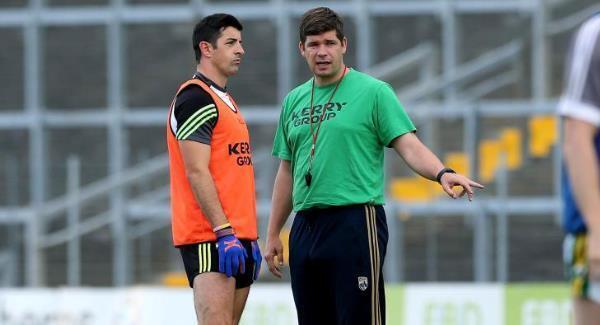
Eamonn Fitzmaurice seems to have the lot.
He’s developed a strong relationship with his Kerry players, and has earned their implicit trust during his tenure. He came out last week in a most self-deprecating manner for an inter-county manager and said “it doesn’t take a genius to know we didn’t have a great day on the line. We didn’t adapt”.
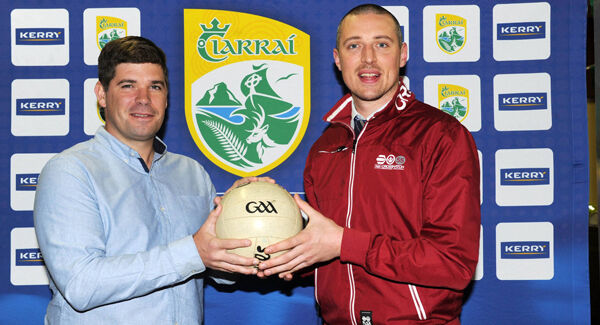
A hard and honest appraisal of his own performance against Cork. It was the very antithesis of spoof. That trust he has built with his players will have made sure they won’t doubt him this week. His honesty in taking such a personal and public shot at himself will only have reaffirmed their belief in his ability. He was protecting them with that statement and took a lot of heat off their poor performance and diverted it squarely onto his shoulders.
Inexplicably, Fitzmaurice has also taken criticism from some quarters for basing his team and squad selections on what he sees at training. The suggestion being that he should be starting Gooch, Maher or Paul Galvin irrespective of their form behind the closed door sessions of Fitzgerald Stadium. That criticism makes absolutely zero sense to me.
One of his greatest strengths as manager has been the honesty and respect that’s reciprocated between him and his players. He has created something extremely rare within an inter-county dressing room — a culture of complete equality amongst his squad. That environment enables all players to believe they have a role to play. It gives everybody in the group a sense of ownership over the process. No jersey is guaranteed, and all are up for grabs.
That is a managerial quality that should be lauded, not chastised. It breeds a sense of camaraderie and togetherness within the group that manifests itself in ways like we saw in the drawn game.
Cork were the better team by a country mile the last day, but a stumbling Kerry somehow found a way to hang in there and get a second day out of it.
What of Cork? Last Sunday week, they answered the first of a two-part question. Was there a huge performance in them? There surely was. They were like a dog that has been kicked over and over again and eventually decides to bite back. The second part of the question is whether or not the can do it again. I think they can, but Kerry will not play as poorly on Saturday.
After the game, it was easy to rattle off a succession of Cork players who played well. It was a struggle to pick three Kerry players in the same bracket.
Soft talk of an easy victory can seep into player’s heads, even in the steeliest of campaigners can be affected. That weakening of your mental resolve is impossible to repair in the middle of a firefight. Kerry have had two weeks to freshen the legs and clear the minds. They’ve used up their get out of jail card and will now surely approach Saturday’s game knowing this Cork side are far from the anaemic caricature some would have them portrayed.

CONNECT WITH US TODAY



Be the first to know the latest news and updates