John Fogarty: On its 100th anniversary, nothing has been done to sustain 'Amhrán na bhFiann'
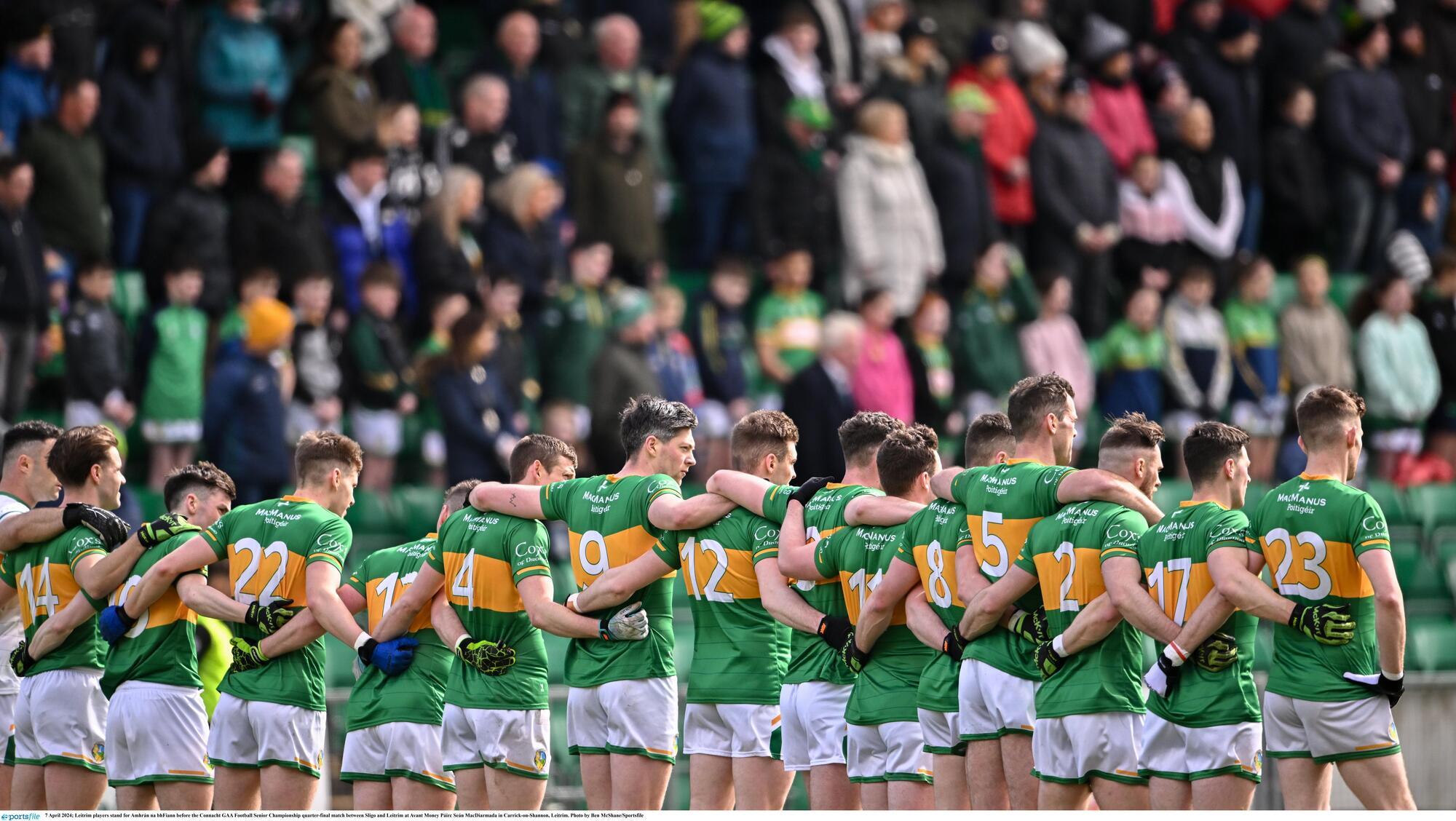
PRIDE: Leitrim players stand for Amhrán na bhFiann before a Connacht Senior Championship quarter-final match at Páirc Seán MacDiarmada. Pic: Ben McShane/Sportsfile
Exactly 100 years after it was adopted as the national anthem, “Amhrán na bhFiann” was played and sung in Croke Park ahead of last month’s Kerry-Dublin All-Ireland semi-final.
Both sets of players stood to attention and faced the tricolour over Hill 16 for the duration of the Artane Boys’ Band’s version. Flags and anthems are thorny issues these days. Perhaps it was with this in mind that the GAA didn’t officially note Gaelic football’s most storied rivalry would mark the song’s centenary.
And yet no organisation has done more to sustain “Amhrán na bhFiann”. RTÉ did their part up to the mid-1990s when they stopped playing it to conclude their TV transmission for the day, but the GAA’s dedication lives on. Performed before the vast majority of club and county games, “The Soldier’s Song” has become an indelible part of the occasion.
That’s not to say respect for the anthem among players and supporters could be better. A week after that Kerry-Dublin game, all but one of 15 starting Galway players (Ronan Glennon) broke a matchday regulation by not taking off their helmets for “Amhrán na bhFiann”, contravening Rule 1.2 of the GAA’s Official Code, which came into force in 2013.
On the Limerick team, only Diarmaid Byrnes and Gearóid Hegarty were bareheaded. For this year’s Munster SHC final, all of the Limerick and Cork starters wore helmets for it.
When the song is omnipresent, the grounds for abuse are fertile. If it’s not helmets, it’s the umpteen teams who break away and, or supporters who break into cheers before the rifles have pealed (“faoi lámhach na bpiléar”).
Five years ago, the GAA attempted to tighten up the national anthem protocols. In their match regulations, instead of teams having to stand to attention facing the flag during it “in a respectful manner”, they had to do so “for the full duration of the anthem.” To help ensure that, a minimum of 30 seconds was permitted following the anthem to allow players to get into position for the start of the game.
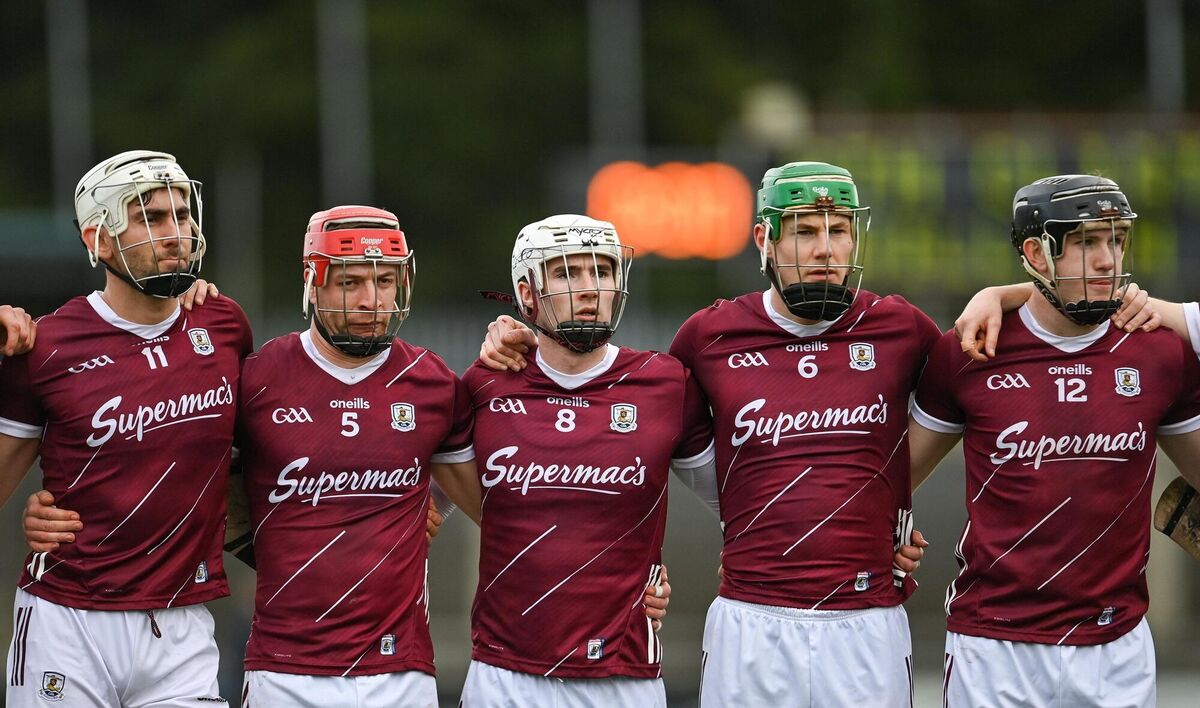
Both this year and last, the GAA have campaigned for the anthem to be shown more respect. “When we sing our national anthem before we play our national games, we take pride in our unique identity and the culture that has been entrusted to us,” read the memo. “We all have a duty to honour that tradition and to set an example for others and for future generations to always give our anthem at our games the respect it deserves. During ‘Amhrán na bhFiann’, stand and face the Irish flag, remove all head wear, stand with hands by our side, remain until the last note has been sung.”
It’s ironic Croke Park was moved to remind people of their significance when the slightest suggestion that the anthem or flag’s association with the GAA might eventually come to an end has been met with widespread upset.
In 2015, nine years before he came GAA president, Jarlath Burns raised some eyebrows when he said he would drop the anthem at GAA matches if he thought it would make the organisation more attractive to northern protestants.
At the same time, he insisted it was “not going to happen” and four years later claimed his comments had been “totally misrepresented” and “there’s no time I feel more in touch with who I am as an Irish person than when I stand and face the flag for my anthem.”
A year after Burns’ initial comments, GAA president at the time Aogán Farrell said he was open to the possibility of the anthem and flag being removed. “The flag and the anthem mean a lot to the GAA and will continue to do so, but who knows in the future?,” he said in 2016. “In the future, if there are different agreements in place for the whole of Ireland, of course the GAA would be inclusive in that."
Farrell had made the comments on an All-Stars tour to the United Arab Emirates and returned home to find he had caused a furore. The following weekend, he had to clarify his remarks – "Flags and anthems won't be scrapped, and that is for sure.”
In and out of office, two GAA presidents from Ulster have learned to their cost that the anthem and flag remain red-line issues. But are they genuine sacraments of the GAA’s nationalist ideal or hollowed-out vestiges?
Sunday’s Waterford SHC decider in Dungarvan marks the admittedly premature start of club final season. In this year, in the county where the tricolour first flew, it might be an opportune stage to find out exactly what they now mean to people.
CONNECT WITH US TODAY



Be the first to know the latest news and updates