Saoirse McCarthy knows there's strength in showing your weakness
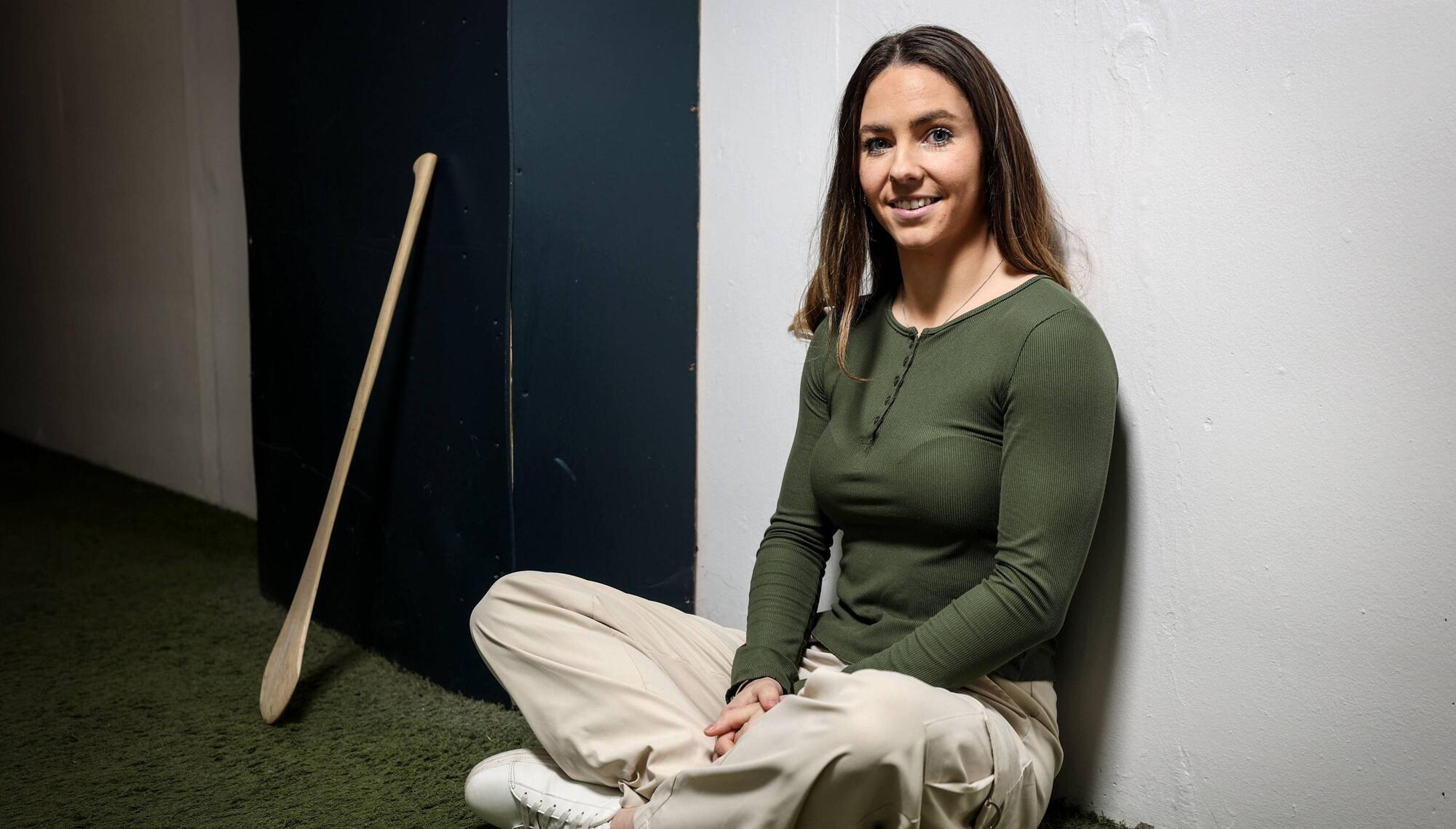
The Cork camogie star talks about seasonal depression, addressing the problem and helping others with their mental fitness.
Saoirse McCarthy knows there's strength in showing your weakness

Saoirse McCarthy was speaking to the Irish Examiner as the GAA/GPA and Movember urge players across the country to Break the Silence on mental health as part of the Movember Ahead of the Game programme. Visit aheadofthegame.movember.com for more information.

It was Keith Ricken, the former Cork football manager and then sports administrator at MTU Cork, who first recognised that Saoirse McCarthy was often not herself in the latter months of the year.

“He said 'If I was to take note of the times you've come in to me and you weren't yourself, it was always in November or December,” says McCarthy, a three-time All-Ireland Camogie Championship winner with Cork.


“I think seasonal depression is really, really prominent in the GAA. You have your whole life in the summer time where you're training with your friends four to five days a week. You're eating healthy or exercising. The sun is shining, the days are long and everything is good.

“And then at the end of the year, you're not with your friends, you're probably drinking more, you're not minding yourself. The days are shorter and it all hits you. It's a massive contrast.

“At the time, I was oblivious to the pattern. I didn't know that it was a pattern - I just thought that I was struggling. As soon as you recognise it and find ways to deal with it, that's the biggest thing.” 

McCarthy was around 19 or 20 when that pattern, which was going on for “years”, was identified. She sought help.

“One of the biggest things that I keep an eye out for is if I stop eating," she says.

"I lose my appetite when when I'm upset. If I stop eating for a period of time, I could be a little bit iffy.

“I call myself out and then I'll tell someone straight away, one of the girls, I'll be like, 'Look, I haven't eaten in a few days properly'. And then because I've voiced it, because I've made it real, I can address the problem.

“Talking about it is the biggest thing. I had so many supports, but it's about actually using them, which could be a really, really hard thing to do.” 

McCarthy has not only learned the importance of speaking up, she’s also teaching others to do so. As a facilitator for Movember’s Ahead of the Game programme, she visits GAA clubs to educate young players, parents and coaches about why their mental fitness should be maintained like their physical fitness. There are pointers on the warning signs to recognise in themselves and others, and what to do if they do spot red flags.

Saoirse McCarthy playing for Cork against Waterford in the National Camogie League. Her side face Galway in this weekend's Division 1A final aiming to win their first league title since 2013. Pic: INPHO/Lorraine O’Sullivan

“Always in the back of my mind, I wondered if I wasn't that good at camogie, would I have had the same level of support?” she says.

“Getting the opportunity to go and talk to young people in clubs who mightn't have all of the resources that I did, I jumped at the opportunity.

“The biggest thing that they say is, 'I wish I had this at my age. If I had this at 14, 15, I could have navigated things better'.

“That's why they have inter-county players giving the workshops to the kids. Hopefully, they'll maybe pay us a little bit more attention.” 

In recent weeks, McCarthy put into action what she’s been teaching others, using their Smart ALEC technique. It’s about asking, listening, encouraging action, and then checking in.

“One of my best friends, she actually plays for Cork as well, I was disappointed in myself at how long it took me to recognise the signs even for someone who's talking about it all the time,” says McCarthy.

“I think that just shows everyone's so different. You can look at all the signs in the world but the biggest thing I say is when they're not themselves. I knew that something was up and I actually sat down and had a look and I recognised that it was affecting many areas of her life.

“I felt like I was doing something good and doing something right. Thankfully she's okay and she has taken the action that was suggested and she's doing better now.” 

Cork play Galway in the Division 1A final on Sunday, aiming to win the county’s first league title since 2013. That barren league spell for Cork – a period in which they’ve won six All-Irelands - has been spoken about within the camp.

This year, they returned to training a little earlier this usual. “I think we recognised that fitness may have been an issue last year a little bit and we wanted to put more work into that,” says McCarthy.

It’s a big year with the chance to win a third consecutive All-Ireland, what would be the county’s first time achieving the feat since the 70s.

McCarthy has become a key player in that group. Since winning her first senior All-Ireland in 2018 – a time at which she was a corner-forward – she has constantly evolved as a player. There was time at wing-back, midfield and now half-forward.

“I try to just control what I can control and ask questions,” says the three-time All-Star about her evolution as a player “talk to people who have played in that position and learn and keep learning because nobody knows everything.

“There’s always going to be someone more experienced. I know Katrina Mackey has always played at wing-forward and I definitely sat down with her when I was moving into that role and just said, ‘What do you think I need to be doing to play to my best?’ 

“It’s just about asking, even asking management, ‘What do you want from me?’ and making sure that there's clear communication.” 

It’s similar to what she’s learned in her own mental health journey.

“Using the supports that are there and not being afraid to ask for help if you need it,” she says, “that's a massive strength, just being able to show your weakness.”

x

More in this section

Cookie Policy Privacy Policy Brand Safety FAQ Help Contact Us Terms and Conditions

© Examiner Echo Group Limited