Comórtas celebrations commence before a ball is even kicked
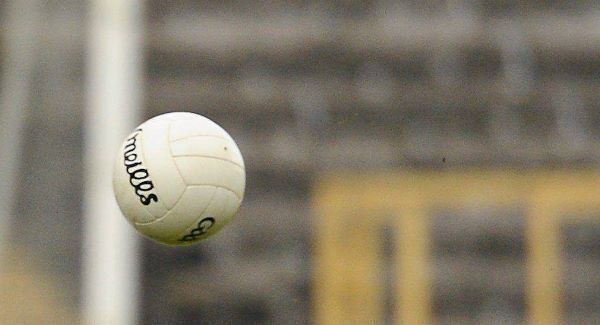
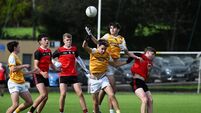
The show rolls down the Dingle peninsula to the very tip of the country this weekend, with Comórtas Peile na Gaeltachta taking place in the west Kerry Gaeltacht. The annual event does exactly what it says on the tin - it provides a competitive weekend of Gaelic football for the Gaeltacht areas of the country, but that’s only the half of it. It’s an opportunity for people with a shared interest to come together and socialise, to meet up and compare notes on how their communities are doing.
It’s a competition - and a weekend - that has come a long way. Now a thousand people will descend on points west of Dingle, with TV and radio commentary as Gaeilge. A far cry from the competition’s beginning half a century ago. Seán Ó Cróinín was on hand for that first game. He was working for Gael Tarra in Tourmakeady in 1969, so he ended up playing for the Mayo club against Gweedore in the first Comórtas.

“I’m born and bred Ballymakeera but I was in Tourmakeady 10 years, until I came back in 1973. I was a member of the club and we were invited up to play Gweedore in 1969.
“As an event it probably came out of a meeting between Tony Barrett, from Kerry and Anton Carroll, a Donegal man. From the start it was based on getting to know the other Gaeltacht areas and people. On a map you can see the Gaeltacht areas are remote from each other and back then people didn’t have telephones, never mind the internet, so there wasn’t much interaction.
"So the Kerry Gaeltacht lads went up and played a challenge against Gweedore, but because they had such a great time they decided to do it again, and a competition was started which would include the other Gaeltacht areas as well. Tourmakeady were invited along by the organisers and there were maybe half a dozen teams.
It grew from there, and it took off so quickly that within a few years there had to be a subdivision of teams into junior and senior.
The late sixties was a time of upheaval around the globe, and there was a vocal Gaeltacht Civil Rights Movement at the time agitating for improvement in the Gaeltachts. Was the Comórtas an offshoot of that? No, says Ó Cróinín.
“That had nothing at all to do with it, the Comórtas was a purely social occasion - you were trying to understand different dialects and so on. It worked well in that respect - people would have been strangers to each other then, but over the years I’ve gotten to know people in those areas very well, and vice versa.
"The whole purpose of the weekend, the different aspects to it, is to promote Irish - the business was conducted in Irish and everyone makes an effort to stick to Irish. The meetings, the correspondence, all of that’s in Irish. It’s grown from strength to strength.”
It’s a weekend that takes a lot of organisation, but the different areas are keen to host it, says Ó Cróinín - there’s no sense of being saddled with it because no other club wants to take on the job: “The different Gaeltachts vie to hold the competition - the national organising committee have it planned out four or five years in advance. If a club is applying for the first time to host it, and they’re in the general area earmarked for that particular year they’ll get preferential consideration, to spread it around.
“It’s a big undertaking, in fairness. You need accommodation for 1,000 people within an area that makes it convenient for those people to meet up, and it’s usually a rural area.
“But there’s usually a dividend for the organising club as well. They can run it in such a way as to generate some income for themselves, and it’d be disappointing if a club didn’t earn enough to invest in facilities.
“You can see the effect of the Comórtas when you see the facilities of the clubs which have hosted it. They’ve been able to develop the structure of the club because of the money generated by the competition and the various events.
Plus it’s good for the locality generally, to have a big influx of people for the weekend.
And behind it all, of course, there’s a competitive tournament. An Gaeltacht of Kerry have fielded Dara Ó Cinnéide and the Ó Sé brothers; Gweedore have called on the McGee brothers. Naomh Abán in the Muskerry Gaeltacht can hold their heads up in that company.
“Naomh Abán shares top spot in the roll of honour with Gweedore with eight wins each,” says Ó Cróinín of his home club. “We lost six or seven before winning our first, but it’s a different kettle of fish altogether now compared to when it started. There are qualifiers, it’s a full-blown competition in Croke Park’s schedule of events for the year . ..
“It’s a competition now that you wouldn’t miss. Fellas organise their calendars around it, and we’d be unhappy if people organised an event the same weekend.”
There’s no surprise when Ó Cróinín is asked for a highlight.
“It was around 2007, when it was held in Cill Na Martra when we had Anthony (Lynch) and Micheal (O Cróinín) on the Cork senior selection. The senior management would have preferred they didn’t play but when we said we wanted to play them, that we had a chance of winning it, there was a sense of ‘well, do what you have to do’.
"The day we played the final against Gweedore the two boys were nowhere to be seen, but the management had their own plans. Just after half-time the two boys were sprung, and it was like you’d lift the sky. They had an immediate impact and we won the game — that was the last time we won it, a great day.”
And where will Ó Cróinín be this weekend? “I have a wedding this weekend but it’s back in Kerry, which isn’t too bad, I’ll go on to the Comórtas then. If the wedding was in Donegal I’d have to pass the wedding and head to Donegal.”