GAA stars continue push for tax breaks
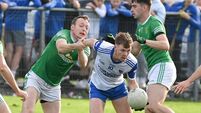
GAA stars made a last ditch attempt today to persuade the Government to back tax concessions for high-performance amateur athletes.
Legislation introduced in 2002 allows professional sports people to claim back 40% of income tax, but amateurs are excluded from the bill.
The Gaelic Players Association (GPA) claim this discriminates against a section of sports players who make a large contribution to Ireland’s social and cultural identity.
They have proposed an annual tax credit of €2,000 each for 6,000 amateur athletes.
The overall cost of €12m would be significantly less than the tax concessions made annually to Irish artists and musicians, and the GPA insists they are equally deserving of the initiative.
Their proposal was rejected last week and today was the players’ last chance of an amendment as Finance Minister Charlie McCreevy chaired a parliamentary debate at the final stage of the Finance Bill.
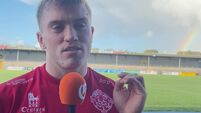
Dessie Farrell, chief executive of the GPA, said GAA players and many other amateur athletes work as hard and play to the same levels as professionals.
“We train four of five times a week and perform to high levels but get none of the rewards,” he said.
Limerick's Muiris Gavin said they had handed a letter of protest to the Department of Finance.
“We do just as much training, play in front of similar crowds as professional sports players and still have to hold down a job,” he said.
“Our proposal was rejected as impractical but it’s a spurious argument and we’ve never been given any real reasons why it wouldn’t work.”
He said because gaelic football was a national game, players should be rewarded for their hard work and commitment.
“We are role models for young people who are encouraged to take part. They should be given incentives to get involved.
“We train three nights a week, play every Sunday, have an additional gym programme and the season is getting longer. It has an impact on your family life. I am never at home.”
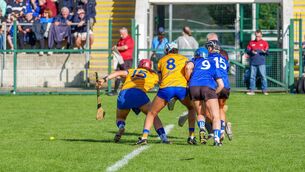
Donnach Callan, a Louth Hurler, said Mr McCreevy’s argument that charities and other amateur organisations would “jump on the band wagon” if the GPA was granted tax breaks did not stand up.
“We are drugs tested just as professional players are and the concessions would be policed by the Irish Sports Council,” he said.
The Labour party said it was reasonable that gaelic players competing at inter-county level should receive some form of financial assistance, either through tax credit relief or financial grants.
In return, they suggest players would be obliged to give something back to their communities at club level, as most do already.
Fine Gael fully backed the GPA’s proposals for high-achieving amateur athletes.

CONNECT WITH US TODAY



Be the first to know the latest news and updates