‘Waterford players have fully bought into system’
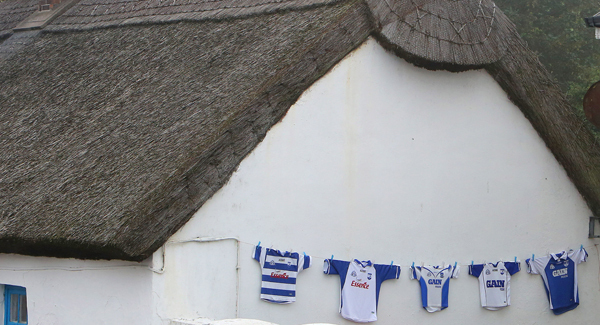
If Basil Fawlty were operating a hotel not in Torquay but in Ardmore then there would surely be one subject he wouldn’t be mentioning lately.
Waterford find themselves in an All-Ireland final this weekend but trail a considerable amount of debate in their wake thanks to their pattern of play. Recent comments about the sweeper system in hurling have had all the restraint of a Conor McGregor press conference.
What’s striking about that discussion has been the number of references to Waterford of the noughties along the way.
The goals. The style. The freedom. The general sense of a lost paradise is one that Eoin Murphy acknowledges.
An enterprising defender on that Waterford side, now a selector with Derek McGrath and Dan Shanahan, Murphy understands where you’re coming from with your lament for the decade now gone.
“Waterford, traditionally, if you think back to our team in the noughties, it was swashbuckling,” says Murphy.
“Drive the ball, kind of playing off the cuff a little bit, playing on instinct and going for it and all that.
“And maybe people’s image of Waterford hurling is that image, of Mullane and Dan and Ken McGrath, just playing that kind of hurling.
“But just because we don’t play that way, maybe there’s a bit of ‘Just go back to what we saw’ about it.”
What about the contrast, though? Waterford didn’t give Cork a sight of goal, really, in the All-Ireland semi-final, a sharp contrast to the goalfests between the two counties when they were grappling with each other 10 years ago.
However, one of the sharpest disappointments of that time came for Waterford supporters when they leaked five fatal goals to Limerick in the 2007 All-Ireland semi-final.
Which begs a neat flipping of the debate. Never mind whether Waterford are bringing down western civilisation by using a spare defender nowadays.
Should the Waterford side of the noughties have used a sweeper?
“No, I would argue that it suited us at the time and this suits this group,” says Murphy.
“They’re a younger group, they probably came up through colleges playing different ways and they were happy with it and Derek has known a lot of the group through De La Salle. And that’s just the way they play hurling. Different times, different teams, different eras. Just because Waterford played that way in the noughties doesn’t mean you have to keep playing like that. Derek is just trying to get the maximum out of the group of players he has. We’re in the final and I’m delighted for Derek, he stuck to his guns along with Dan and the players.”
Fair enough. Along the way, however, Murphy makes one telling point that many pundits tend to roll past in their haste to condemn the sweeper. When a manager — or management team — decide in their wisdom to adopt a particular style of play, there’s a large constituency which needs to be convinced, and that’s not the masses on the terrace.
The players need to buy into any tactical development, otherwise it remains a sideshow at an evening’s training, forgotten before the chicken and pasta is consumed. In this case Murphy points to the Waterford players’ commitment to the structure.
“You never see any of the players saying a bad thing about Derek or Dan or the system. It’s fully bought in.
“It’s not as if Derek is coming in and telling them, telling them, telling them.
“We sit around and talk about it as a group. The players have input into it. It’s not just Derek and Dan pushing their agendas.”
CONNECT WITH US TODAY



Be the first to know the latest news and updates