GAA need to switch on TV officials to back up controversial decisions
Inter-county hurlers are amateur players. They give up huge portions of their time to the game and the least the authorities can do is ensure that the referee, who is charged with ensuring fair play applies, has the back- up to adjudicate on any controversial decisions.
The GAA should sanction the appointment of Television Match Officials immediately.
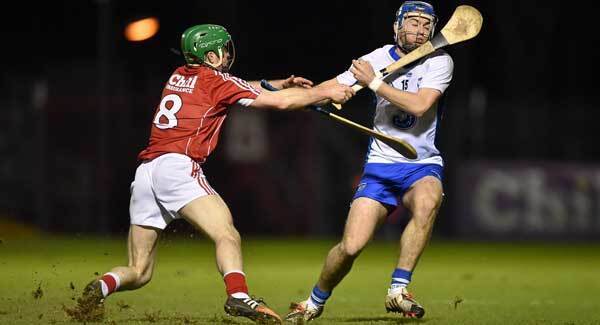
In Páirc Uí Rinn on Saturday night confusion reigned at times. Aidan Walsh went down injured and a point, scored by Waterford’s Colin Dunford went unrecorded on the scoreboard for quite some time, while doubts surrounded other scores.
A TMO could have viewed replays of the action quickly and given the referee his/her view of the incident.
All a referee would need is someone he trusts acting as TMO. If the situation regarding penalties and the ‘20 second’ substitute rule could be changed without firstly going to Congress why can’t a TMO be appointed immediately for all televised games?
This is not to say that a TMO is infallible but rugby referees constantly make the point that having a TMO is a huge help to them.
Waterford came to Pairc Ui Rinn on Saturday night full of confidence on the back of an impressive display against All-Ireland champs Kilkenny.
Manager Derek McGrath has developed a sweeper system based on workrate, all out defence and condensing the play around the middle.
This makes it difficult for the opposition to find a colleague up front in space as the player delivering the ball is constantly under pressure from the swarm tackling Waterford forwards and midfielders.
Thereby the opposition has little time to dwell on the ball making it easy for the Waterford defence to intercept any attempted forward passes.
Cork failed to come to terms with Waterford’s system twice last season and lost out again on Saturday night.

The Rebels began this game with a three-man midfield,of Daniel Kearney, Brian Lawton and Lorcan McLoughlin and a a two man full-forward line of Conor Lehane and William Leahy. These two were always outnumbered as Waterford played their usual system with an extra body at the back,sometimes two, with Maurice Shanahan up front, alone at times.
Physically Waterford looked imposing. They had strength, pace and they moved cleverly in their well-honed system. They were supporting each other all over the field and were offering sensible outlets to any player in possession.
Cork were far more committed than against Galway. I counted ten ground tussles in the first half. The home side got dug in to these and although they lost six, they won four, a huge improvement on last weekend.
However, they spoiled good harrying work by committing avoidable fouls, particularly in the first half. Building pressure on the opposition through legitimate aggression in tackling can lead to mistakes but it has to be disciplined.
Cork released any built-up pressure with these indiscretions and the points from placed balls enabled Waterford to build a lead that their hosts were unable to reel in. After 20 minutes, there was little between the sides. Cork retained possession in this period by moving the ball out of defence with short hand passes, putting players in the clear and Daniel Kearney, Patrick Horgan and Brian Lawton were on the end of impressive short ball moves when striking three nice points.
But they also attempted to supply their inside two-man attack with long deliveries which yielded little. Waterford want teams to go long against them.
If their sweeper, Darragh Fives on this occasion, doesn’t intercept the delivery the chances are the two versus one odds nearer their square will win the day. The Déise defence swallowed up ball after ball and with quick, clever passing from the back and they moved it downfield into scoring positions.
The second quarter decided this game. Waterford outscored Cork by six points to three, giving them a decisive grip with a half-time lead of four points.
The one hope teams have against them is to get in front early but you need your forwards constantly tackling back, particularly from the centre half-forward position into midfield. Cork were unable to do this for the full game and need to use their goalkeeper more as an outlet when under pressure in defence.
There were little or no positives for Cork from last weekend’s game. But they fought a lot harder this time around and put Waterford under pressure in the final ten minutes. However no points from two games ratchets up the pressure for their next encounter against Dublin.