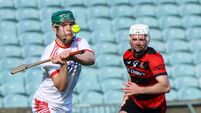
GAA keeping close eye on facial injuries
In the second half of Sunday’s Division 1A clash with Kilkenny, Waterford pair Maurice Shanahan and Noel Connors had to be temporarily replaced with facial injuries.
There is nothing to suggest either player weren’t wearing helmets that did not satisfy the required safety standards.
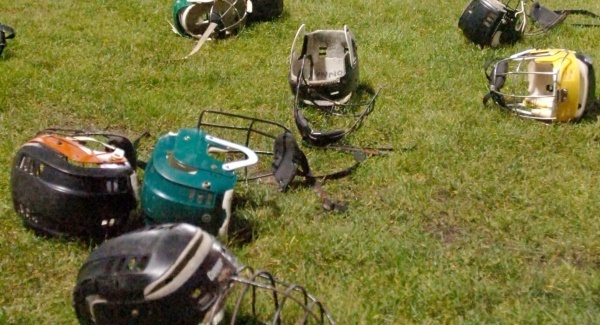
However, the GAA’s medical, scientific and welfare chairman Ger Ryan believes there are a number of players using helmets with faceguards that have been modified for the benefit of comfort and sight.
The rule, as it is currently, leaves it up to the player to ensure they are wearing the correct headgear.
Although they must wear a helmet with facial guard that meets the IS:355 safety standard, the liability for wearing a modified one lies with them, and not the GAA or officials.
“I would say in general we will be monitoring the number of facial injuries and seeing if there are any improvements we have to make,” said Ryan, “but, absolutely, we are committed to ensuring everyone wears the standard approved helmet.”
There is also a suggestion as all hurlers are wearing faceguarded helmets they are more inclined to challenge their opponent with more abandon.
The number of facial and eye insurance claims in hurling last year were low, although there were 88 teeth cases and more ear claims than in football.
Meanwhile, Ryan isn’t overly worried by the year-on-year increase in the number of teeth injuries in Gaelic football, from 157 to 178 in 2015, the second season mouthguards have been mandatory across the board.
“I’d have to see increases over a longer period to get concerned.
Certainly, it hasn’t been flagged back to us from insurance. I would say there has to be an emphasis on continued vigilance around the use of mouthguards.
We are regularly reminding people of the importance of wearing mouth guards.”
Ryan confirmed his group are continuing to research hip injuries and have been visiting inter-county management and backroom teams to learn what they have discovered from the injury database they have compiled.
“We’re encouraging them to contribute to the injury database so that we can have as many inter-county teams as possible.
“We are also encouraging them to use the GAA15 warm-up, which is focused on preventing lower limb injuries.”

CONNECT WITH US TODAY



Be the first to know the latest news and updates