GAA will face match-fixing
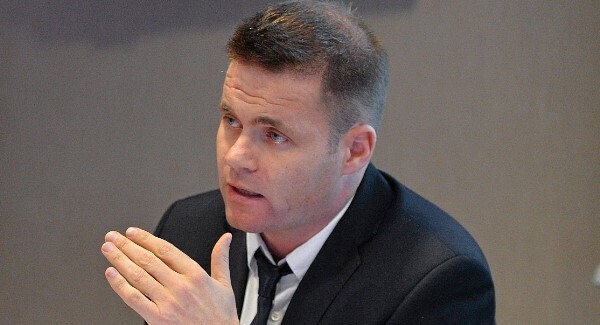
Match-fixing scandals similar to those which have already engulfed cricket and soccer across the world will most likely darken the GAA’s door sooner or later, according to GPA chief Dessie Farrell.

GAA will face match-fixing

The former Dublin captain was speaking at a press conference called to raise awareness about the dangers of gambling and the association’s plans to distribute educational booklets to club and county players nationwide.

In them, the GAA and players’ body warn its members about the dangers some gambling practices pose for players as well as the association and Farrell believes trends seen globally will at some point be mirrored within Gaelic games.

“All we can take our lead from is what happens elsewhere and if it happens in other sports we would be naïve to think it won’t happen in our own sport,” he reasoned. “So it is (about) what you’re putting in place.

“(It is) your preventative measures, education. Communication of the message is a really important part of that. But then there is the policing of it. The disciplinary side of it as well if it does emerge where a player or a team has been involved in something. What do you do in that particular instance?”

Gambling is already a live issue in the GAA but the fear is that players with addictions could slide down a slope leading to punts on games in which they are involved and perhaps even illegal betting rings.

Former Armagh footballer Oisín McConville and Offaly captain Niall McNamee have been open about their gambling addictions although both insisted they had never dabbled in matches in which they were involved.

Not that McConville wasn’t tempted.

“Certainly, there were lots of temptation. I suppose one of the things that kept me away from it, and it is sort of a light-hearted thing, but it’s actually the truth – when I was tempted, one of the things I was aware of was that most of the bets that I placed actually lost. I certainly didn’t want a double whammy. I’ll be honest, I could walk into a Gamblers Anonymous meeting and there might be 16 other compulsive gamblers. When I tell them that I never put a bet on my own game they will snigger or laugh at me to say that is not the way compulsive gamblers operate.”

He added: “The greatest danger is if we go down the road where a couple of players get together and try to influence the result. Let’s hope we can nip that in the bud.

“There have been a lot of high-profile cases in cricket and soccer or whatever where that has happened. I can’t imagine the GAA being different.”

The new guidelines drawn up for GAA players will warn them that they must know the rules on gambling, never bet on their own sport, be careful handling sensitive information, never fix any part of an event and report any suspicious approaches. At the core of all this, of course, is the human factor and the very real devastation that a gambling problem can inflict on those involved and their loved ones. It is a problem which the GPA believes is increasing in frequency.

Gambling accounted for 33% of cases dealt with by its free counselling services in 2012 — a number that jumped from 12 that year to 22 in 2013 — and a survey showed that 7% of GPA members believe there is a gambling problem within their squad.

“The more people that talk about it the more people are going to be aware of it,” said McNamee. “I know myself from playing that it’s a massive topic on football, horse racing, soccer. Even going to games on buses people talk about it. It’s a hot topic. Going by the figures there are going to be two or three lads on every county panel with a gambling addiction so I think the more we talk about it, get it out there that it’s actually okay to go and seek help.”

More in this section

Cookie Policy Privacy Policy Brand Safety FAQ Help Contact Us Terms and Conditions

© Examiner Echo Group Limited