Life getting harder for men in the middle
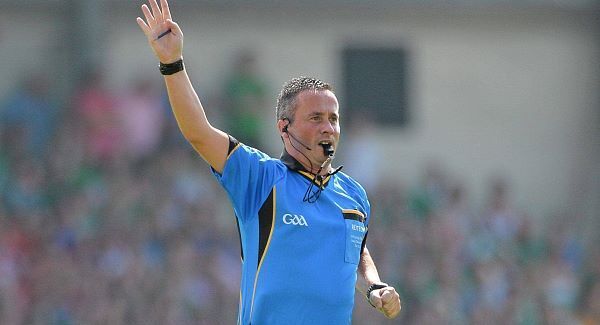
The words of former inter-county hurling referee Aodan MacSuibhne and poignant ones after a season in which the game’s men in black have been damned like never before.
After sending off Pat Horgan in the Munster final, James McGrath’s appointment for today’s replay wasn’t exactly celebrated in Cork.
But these days few assignments are greeted with the type of indifference they used to prompt in competing counties.
McGrath, Barry Kelly and Brian Gavin, three men who between them by tomorrow will have taken charge of the last five All-Ireland finals, have all been scathingly criticised this year. McGrath and Kelly have seen their red card decisions overturned in the GAA’s disciplinary system while Gavin whipped up a perfect storm for himself after the first final three weeks ago.
Dublin man MacSuibhne, All-Ireland final referee in 2002 and 2004, noticed how coverage of the game as well as the game itself has made life harder for the men in the middle.
“What’s happening is referees are under increasing analysis and there’s far more slow motions and camera angles than heretofore.
“Hurling is in the position football was in 2002 to the extent that the aim on stopping the man rather than the emphasis being on using skills.
“Players have become so fit that they hunt in packs not letting the man play the ball. A hurler has to produce skills with two men on his heels whereas prior to that it used to be an individual contact game. The use of the blanket defence in football was the start of this. We don’t have a defined tackle. We have the side to side shoulder so the only means of stopping a player was to stand in his way and surround him. The rules are still the same but the game is no longer man to man.”
Limerick’s three-time All-Ireland final referee Pat O’Connor has also noticed how the game has changed in intensity but believes there are other reasons while hurling refs are under the spotlight.
“It’s always been difficult but more so now in that fitness levels of teams has gone up over the last four or five years. That’s putting a lot more pressure on referees to be in the right position at any given time. You also have the situation where there is a lot of pressure from referees from assessors especially younger referees trying to make the grade. The other situation is there are people in situ in Croke Park looking after referees who are more football-orientated. Really, there should be two separate bodies.”
MacSuibhne believes the standard of hurling refereeing has never been higher as much as two high profile incidents damaged their stock.
“Henry Shefflin was sent off and the issue there was he was one of our greatest sportsmen and he is not a dirty player. But on the occasion in question it could be said ‘yes’ they were two yellow card offences. It is not that Henry deserved to be sent off, it is the rule that is written. The referee (Barry Kelly) in question on that day suffered controversy I felt was unjust. The second one, you will always have error of judgement and I would speak in particular of the Patrick Horgan sending off in the Munster final. At the game, I felt it looked harsh and I still believe that. But if you have a stick around a player’s head you are in danger of it being judged as dangerous rather than careless play. I don’t think I would have sent the player off but that’s easy for me to say.”
O’Connor would disagree with MacSuibhne on the Shefflin case but the pair agree linesmen have to be given more authority. The Ahane man, who would also like to see the new advantage rule extended to hurling, says: “The linesman should have more power. Sometimes he can see something from a side-on view what the referee cannot see. He should be able to call the free or bring a foul to the referee’s attention.”
The last thing MacSuibhne wants to see however is a second referee. “A referee is a human being and when you have a game under control you might allow the game to flow a little bit more whether it be football or hurling. Whereas if you were to put two referees out there you would be increasing the lack of consistency. I would feel before we try anything with the second referee we increase the powers of those officials around the referee. The rules still don’t permit linesmen or umpires to make a decision.”
CONNECT WITH US TODAY



Be the first to know the latest news and updates