Éamonn Fitzmaurice: David Clifford stirring defiance into potent mix
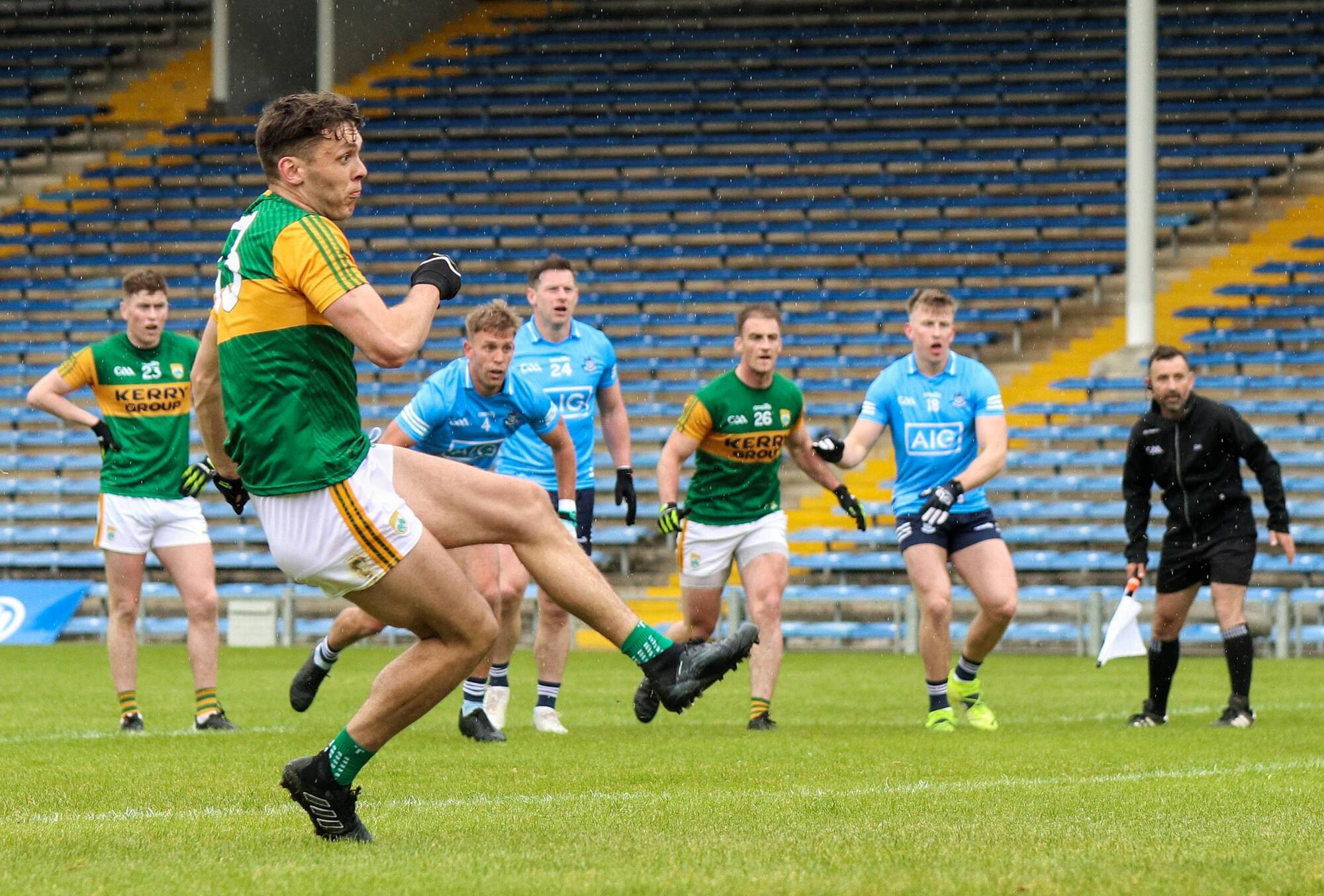
Kerry’s David Clifford scores a last-gasp penalty to rescue a draw against Dublin in the Allianz FL Division 1 South tie at Semple Stadium. Picture: Inpho/Gary Carr

As Peter Keane and his management team headed south from Thurles yesterday, they had plenty to ponder.
As delighted as they will have been with the reaction and comeback in the second half, Keane and co will be concerned with the goals and goal chances conceded, in the first half in particular.
Kerry were open and creaking at the back. One primary learning from being involved in management is that there is a reason for every decision. This might not always be obvious to the outside world, but within the group, there is a logic for everything.
When the game is won and the decision pays off, there is no need for an explanation. When things go wrong, everything is questioned.
Keane and his players got some shellacking after the Cork game last year. The approach was labelled as too defensive (which it was), and in the modern world of soundbites and instant analysis, it quickly became the only reason they lost in Páirc Uí Chaoimh. There were other reasons that were of equal importance on the day, such as the profligacy of the Kerry forwards, too much soloing and not enough kicking — and the lack of intent all over the field.
However, a conclusion was arrived at, locally and nationally, that Kerry were too defensive, they should go gung-ho with the forwards they have, all of their ills would be solved, and All-Irelands would follow.
Football isn’t as simple as this, unfortunately. Balance is hugely important. Flexibility within a game to shift from one gameplan to another is crucial. Forward shape to allow the team to attack at pace is pivotal.
The first-half performance, where Dublin constantly threatened the Kerry goal and were surprisingly wasteful, showed why Keane and co were looking at their defensive structure.
They will realise that they still have work to do. To win the All-Ireland, which is all that Kerry are interested in, they will have to beat Dublin, and to achieve this, they must concede fewer scores and goal chances. They will have to figure out how to hold Con O’Callaghan et al. Kerry did well in limiting the influence of Brian Fenton and Ciarán Kilkenny, but as Dublin do, other players led in their absence.
Niall Scully and O’Callaghan were outstanding. To get over the line against them, Kerry will most likely have to figure out a way to hold the aforementioned quartet, James McCarthy, and Stephen Cluxton. Kerry will continue to work on the system and personnel to achieve this. They are getting closer. In the last five seasons, Kerry and Dublin have played eight times in league and championship. There have been four draws and two wins apiece. Of course one of those Dublin wins was the All-Ireland replay victory in 2019.
Kerry will have been delighted with the second half, which they won 1-9 to 1-3.
Importantly, they battled until the end and got their reward when David Clifford’s penalty saved the day. Considering they were seven points down early in the second half, a draw was a great result. There have not been too many occasions in the recent past where Dublin have left such a lead slip. They normally strangle a game late on when they are ahead and keep chipping away with scores, but they weren’t allowed to do that yesterday.
Kerry really upped the work rate, pressed Evan Comerford well, and forced Dublin into uncharacteristic errors. Their purple patch of scores, where they got five points on the bounce, brought them right back into the game. Tommy Walsh’s introduction at half time gave Kerry a focus and presence up front, and he was very effective, winning ball and setting up his colleagues. Paul Murphy also thundered into the game in this period and drove Kerry on.
While the country raved about David Clifford last weekend, with my former manager’s hat on, I would be even happier with this weekend’s showing from the Fossa man. We know the magic he possesses, and when given space, he can do what he did against Galway. On Sunday, he was being marked by Mick Fitzsimmons, the best in the business. He shot some uncharacteristic wides in the first half, yet he stuck at it and kicked some wonderful points as the game went on, when they were needed most.
His body language portrayed someone who was not going to take a backward step. John Small tangled with him a few times off the ball, but he wasn’t being pushed around or intimidated. He flattened Comerford as they made their way back to their positions after the second water break and, of course, he stuck the penalty. Basically, he wasn’t going to be beaten. While we all appreciate that you can’t coach his skill and ability, equally you also can’t put that personality into someone. For me, it was thrilling.
Dublin won’t be happy with their display. Anyone that says they won’t take any notice and will just brush it off doesn’t understand the dynamic of this group or why they have been successful for so long. I imagine training will be cranky as they analyse their mistakes and realise that their standards were compromised.
They won’t panic, but so many of them won’t like underperforming and will aim to react next weekend.
They won’t want this type of performance to become a pattern. Galway will need to be on their guard in Tuam.