Brian Gavin: Will sin bin solve hurling cynicism? I’m not sure
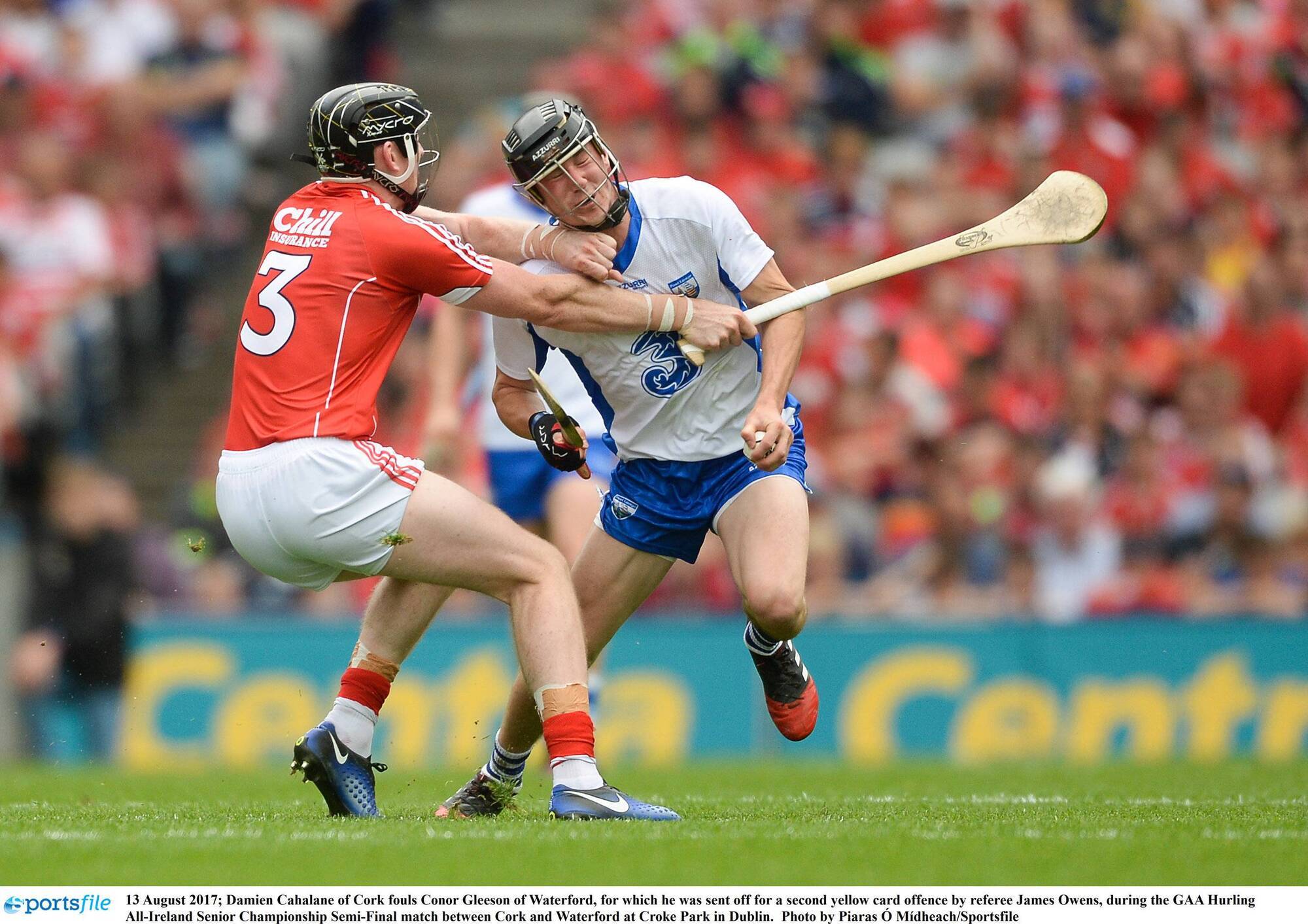
A lot is going to be left to the discretion of the referee with the new cynical foul rule, and as a result, it will put more pressure on them, writes Brian Gavin
The Sin-bin/penalty
You would forget that this new rule applies to football too, but obviously more focus will be on how it works in hurling as it is a completely new addition to the game.
If a player commits one of three cynical fouls inside the 20-metre line or the D that prevents a goal-scoring opportunity, they will be booked, sent to the line for 10 minutes and the attacking team will be awarded a penalty.
The punishment is threefold and because of that I don’t think we’re going to see too many instances of it. We all know something like this was needed given the raft of cynical fouls in last year’s Liam MacCarthy Cup, but only a few of those are covered by this new experimental rule. For example, Danny Sutcliffe’s trip on Paddy Purcell is not one of them.
We need clarity on the rule because there’s a whole lot of grey around it. For instance, I would have an issue with a defender being sin-binned for committing such a foul close to the sideline when the fouled player still has 20 to 30 yards to go before a goal chance opens up.
A lot is going to be left to the discretion of the referee and as a result it will put more pressure on them. As for the teams, I think you’ll see them being coached to do anything but these three cynical fouls — deliberate trip, deliberate pulldown, careless use of the hurl/deliberate bodycheck in football.
That doesn’t mean they won’t be cynical but they’ll avoid those types of infringements. We’re lucky that we have the league to trial this because there are bound to be issues and don’t be surprised if it is tidied up or amended before the Championship.
Showing a yellow and making the gesture for a penalty mightn’t be enough to signal the player is also being sin-binned. That could lead to confusion and it’s just as well there are no crowds to get on the referees’ backs. And thankfully, it’s not being rolled out to the clubs as well because that would have caused a lot of bother.
A cynicism rule was needed but the communication around it hasn’t been great. The GAA have been a bit slow in getting the message across on a whole lot of refereeing issues and they really should be out on TV and social media explaining this one with video clips to illustrate the points made.
I’ve said it before that it’s important supporters, players, and managers are educated about why referees make the decisions they do.
Concussion substitute
This should work very much like the blood sub so if a referee, in conjunction with the team medics, deems a player has suffered a head injury they can be replaced temporarily or for the remainder of the game without it counting as a regulation substitute.
You would hope that it’s not abused, that a team doesn’t see it as an opportunity to waste time or bring in a fresh pair of legs. You certainly don’t want to see anyone feigning a head injury.
Advantage rule tweak
The word on the street is referees are being told not to give much advantage this season and this is where a good ref will excel. They will be able to distinguish between when advantage should be played and when not.
For instance, if a corner-back is coming out the field and breaks a foul it’s good officiating to play advantage. Whereas, there is no point putting the hand up to allow advantage if a forward is fouled and there is little prospect of a goal opportunity developing so a free should be given.
Extra subs in the league
This won’t be any sort of a logistical nightmare for the fourth official. It makes perfect sense to give managers a better idea of the players they have at their disposal and it’s quite possible the two or three extra substitutes will help prevent injury.
We thought last season was unlike any other, but at least players had six weeks of a pre-season and a club championship behind them. You would hope that the additional subs won’t be used to wind down the clock but most referees are wise to that carry-on.
Yellow sliotar
It was agreed at the start of the year that the yellow sliotar would be used in the Allianz Leagues and Championship.
It worked well last year and it will be interesting to see if it is used at club level later in the year when there are bound to be more games played under lights due to the late start of county championships.
Referee mentors
The mentoring of refereeing is coming into effect this year with at least three or four mentors assigned in each code. I hope it’s not a box-ticking exercise but involves one-on-one reviews and thorough reviews of what referees did right and wrong.
It’s a step in the right direction as is the plan to modify referees’ fitness tests.
Morale is low, particularly among hurling referees, but it would be heartening to see a new face taking charge of an All-Ireland final this year. On the other hand, football refereeing is in a good place right now but it is a challenge to remain there.

Subscribe to access all of the Irish Examiner.
Try unlimited access from only €1.50 a week
Already a subscriber? Sign in