John Fogarty: No more Championship draws if GAA does the right thing
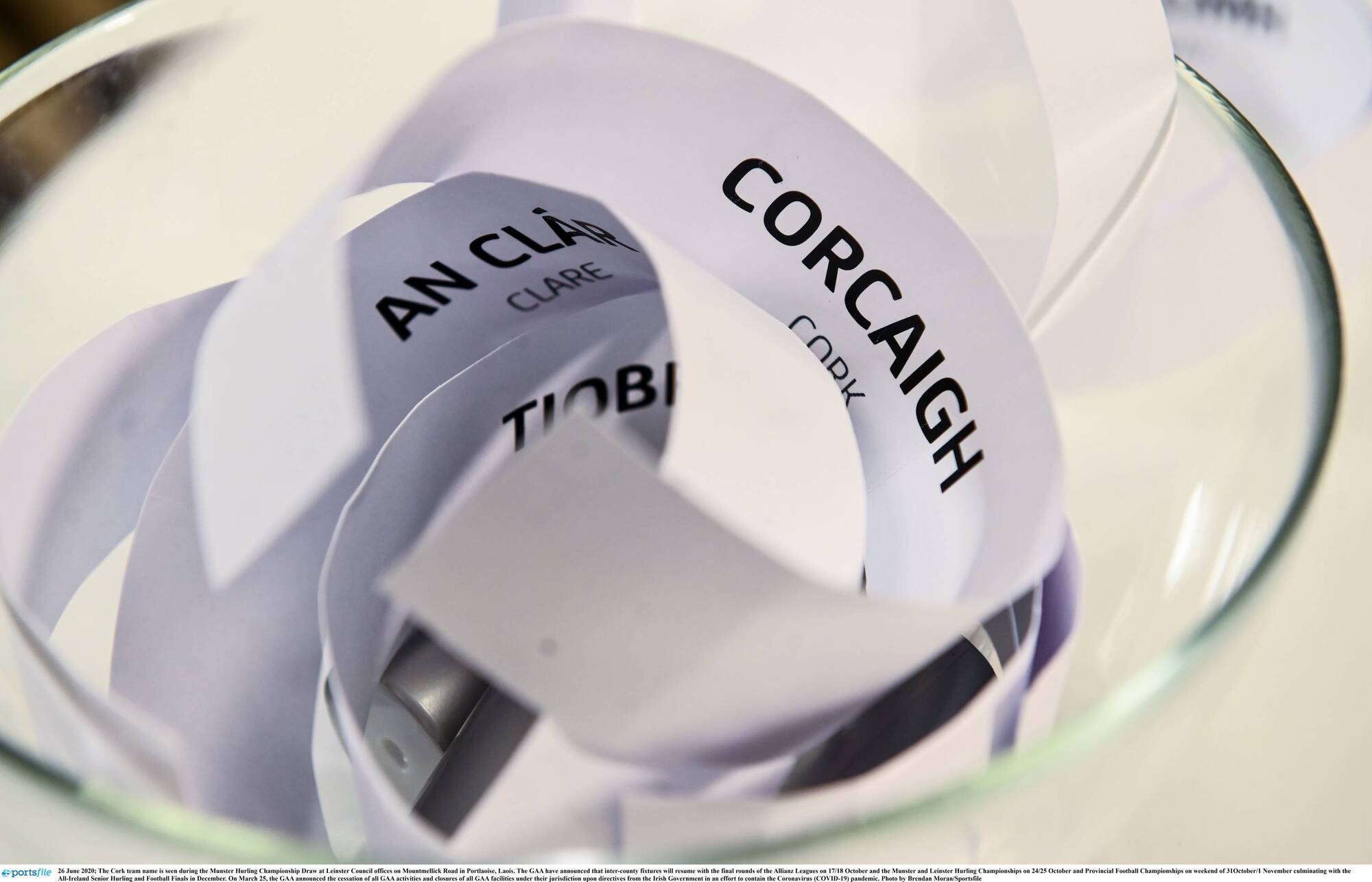
The Rugby World Cup draw, which is staged almost three years out from the competition, takes some beating but the GAA sure know how to stifle their own fanfare
John Fogarty: No more Championship draws if GAA does the right thing

The hurling draws attracted more interest and with a qualifier system in place it is a much fairer competition. Photo by Brendan Moran/Sportsfile

Most would agree last week’s Championship draws had all the anticipation of the classified football results being read out.

In pools terms, Cavan and Tipperary’s provincial successes last year were the equivalent of 1-1 draws but what are the chances of two similarly surprising results happening again this summer? Putting on our best Len Martin voice, nil.

So bored were some last Monday that they suggested Connacht chairman John Murphy fixed it so that the winners of Sligo and Mayo faced Leitrim in the semi-final when he had simply drawn the canister too early.

But in an excitement vacuum, this is how far people will stretch (perish the thought social media had been around when the lots were here’s-something-we-did-earlier events).

The Leinster Council, who in fairness to them have unsuccessfully petitioned Congress to reformat their dilapidated senior football championship, are so wary of disheartening counties by the prospect of facing Dublin that they hold off on making the semi-final draws until after the quarter-finals.

It’s a strange logic, springing Dublin on their last-four opponents as late as possible, but delaying the inevitable is preferred.

The hurling draws attracted more interest and with a qualifier system in place it is a much fairer competition.

However, the presence of a five-round National League where there may quite possibly be no winners but definitely losers and when instead the successful round-robin provincial structure may have been incorporated after an abbreviated league is slightly disappointing if understandable given the time constraints.

Covid-pending, the provincial groups will return next year and to much jubilation.

The thing is last week’s draws should have had a lot going for them. A full 120 days after the last game was played, not only did they bugle the arrival of the 2021 Championship, they did so less than 10 weeks before the first game.

Last year’s draws were made over 16 weeks prior to the commencement of the Championship.

Between the 2019 draw in October 2018 and the 2019 start date, there were 213 days.

The Rugby World Cup draw, which is staged almost three years out from the competition, takes some beating but the GAA sure know how to stifle their own fanfare.

If they do the right thing at Special Congress this autumn, there will be no need for 2022 Championship draws. The Liam MacCarthy Cup’s provincial hurling groups will resume the sequence that was cut short last year and a similar approach can be taken to the lower tier competitions.

And the Sam Maguire Cup will either be played off on the current league basis or provincial conferences.

According to the national fixtures taskforce’s league option, meritocracy will avoid the need for a pre-season draw.

The top five teams in Division 1 along with the best finishing team in Division 2 will go into All-Ireland quarter-finals. The remaining two spots will go to the teams who come through preliminary quarter-finals comprising the second and third best sides in Division 2 and the Division 3 and 4 winners.

In their quarter-finals, the top two teams in Division 1 face the preliminary quarter-finalists, the third-placed team in Division 1 take on the first in Division 2 and the fourth and fifth finishers in Division 1 meet in the final.

Replacing the provinces with four provincial conferences of eight teams each split into two groups of four might also not require a draw should it be seeded based on the National League.

For example, based on them being the highest-ranked Munster teams in the 2020 league, Kerry (first) and Clare (second) would be placed in separate groups and joined by Tipperary (fourth) and Cork (third) respectively.

Those three Leinster teams among its six lowest-ranked who failed to qualify for their own province and therefore enter Munster (two counties) and Connacht (one) are expected to be decided on a geographical basis.

Deciding which of the provinces’ group they go into can be dictated by their league finish.

In Ulster, the lowest-ranked league teams would clash to decide which remains in the northern province and which switches to Connacht.

The Tailteann Cup, incorporated in both options, may not need a draw either.

There are downsides to both proposals put forward by the taskforce, which they themselves have acknowledged.

The league as championship divorces the provinces from the All-Ireland and could lead to dead rubbers, while the provinces as equal-sized conferences won’t prevent mismatches continuing and shifts four counties out of their home provinces.

Amending the provinces rather than downgrading them to pre-Championship competitions would seem an option traditionalists might be able to get behind.

Notwithstanding that, both are superior structures than knockout and qualifiers as well as the Super 8, which erred in following knockout football with a league format.

Either would generate vibrancy and in turn draw the days of draws to a close.
Extent of underage lockdown to be revealed


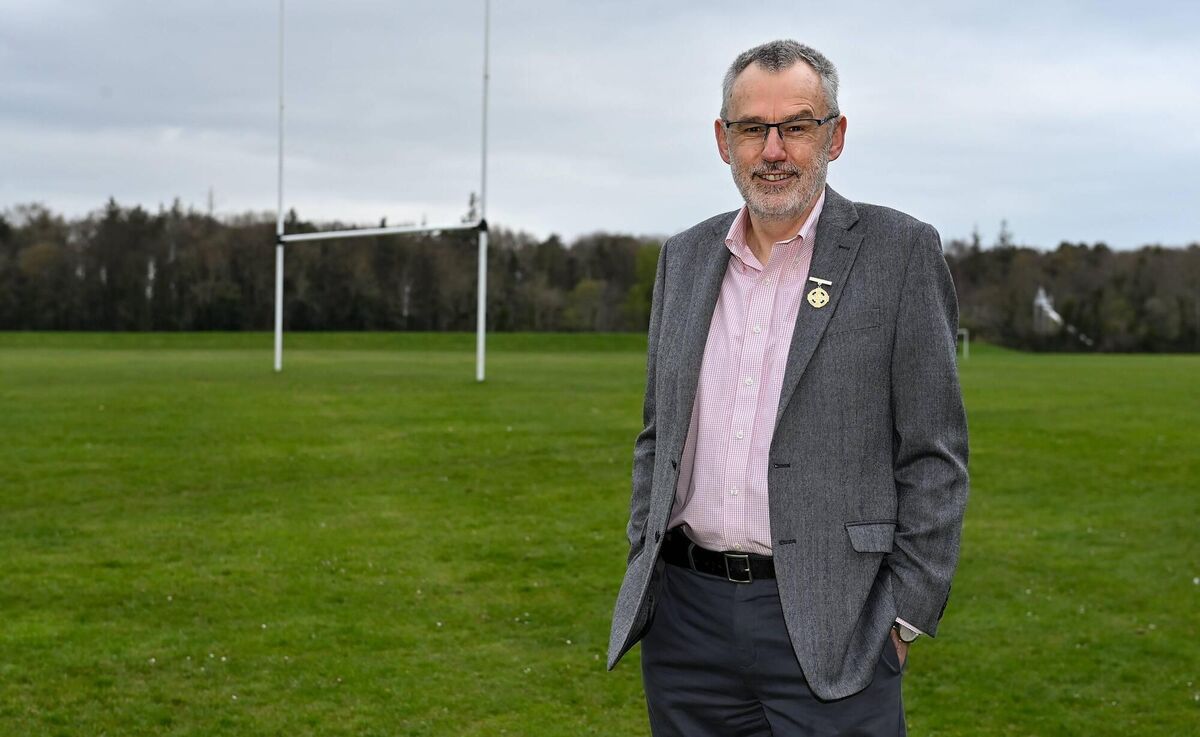
                            Last Friday, GAA president Larry McCarthy wrote to clubs, calling on clubs to make the resumption as welcoming and enjoyable for children as possible. Photo by Brendan Moran/Sportsfile
Last Friday, GAA president Larry McCarthy wrote to clubs, calling on clubs to make the resumption as welcoming and enjoyable for children as possible. Photo by Brendan Moran/Sportsfile

In preparing for underage teams’ return to training today, the GAA haven’t been found wanting.

A plethora of resources have been made available to clubs to ensure they are ready from the outset.

Last Friday, GAA president Larry McCarthy wrote to them, calling on clubs to make the resumption as welcoming and enjoyable for children as possible.

“The opportunity to play was limited by factors outside of our control,” he wrote. “But what we can control over the next number of months as we return to training and playing games is the quality of the experience that we can provide our players.”

Today should have come a lot sooner than it did and while McCarthy was careful not to rock the boat in his inauguration speech — “I would respectfully ask the authorities that we be allowed to have activity for children in our clubs once schools have safely opened” — it would appear more could have been done in the weeks before he assumed office to convince the authorities children were safest from Covid in outdoor activities.

For instance, in none of the correspondence between the GAA and the Department of Sport in the first seven weeks of the year was there any request made to revisit the ban on children collectively training.

Better late than never, some might say, but as former Cork manager Brian Cuthbert conveyed on The Mick Clifford Podcast last week how many children have been lost to other pursuits as a result of the delay on team sports?

While not to blame, the GAA might have to ask themselves did they try hard enough to get them back quicker.
Counties slow to share when earning money

Dublin GAA have for years done their own thing commercially, reaping the rewards of their size and business acumen. Photo by Brendan Moran/Sportsfile

To say the new terms of the GAA’s centralised licensing programme haven’t gone down too well with some counties would be putting it mildly. Safe to say that were it not for a recent intervention to review the situation, then Dublin might not be the only county choosing to be independent of it.

Dublin have for years done their own thing commercially, reaping the rewards of their size and business acumen. Requesting that they now share the spoils of their labour, even if it is to do so by threatening them with a 20% reduction in their cut from central commercial activities, is a major ask.

The programme is demanding a lot from several participating counties who have succeeded in maximising their commercial worth with suppliers such as O’Neills to be adding to the collective pot when others haven’t been as proactive as them. It is known that mid-sized counties with populations of approximately 150,000 to 200,000 have been earning over €150,000 per annum from jersey deals.

It was stipulated that in the event any of them chose to leave, they would also be subject to the 20% deduction as those currently outside the programme. But that was a price some were willing to pay for autonomy until a committee was established earlier this month to come up with new proposals.

The work of that body will be followed carefully, but it’s safe to say counties are happy to centralise when it comes to saving money — players’ expenses — but not when they’re earning it. In these times, that’s pretty understandable.

Email: john.fogarty@examiner.ie

More in this section

Sport

Newsletter

Latest news from the world of sport, along with the best in opinion from our outstanding team of sports writers. and reporters

Cookie Policy Privacy Policy Brand Safety FAQ Help Contact Us Terms and Conditions

© Examiner Echo Group Limited