John Fogarty: Paul Flynn exits GPA before Larry McCarthy presidency brings a new dynamic
To the best of his ability, Flynn filled the chalice, but for his successor it could yet be poisoned
John Fogarty: Paul Flynn exits GPA before Larry McCarthy presidency brings a new dynamic

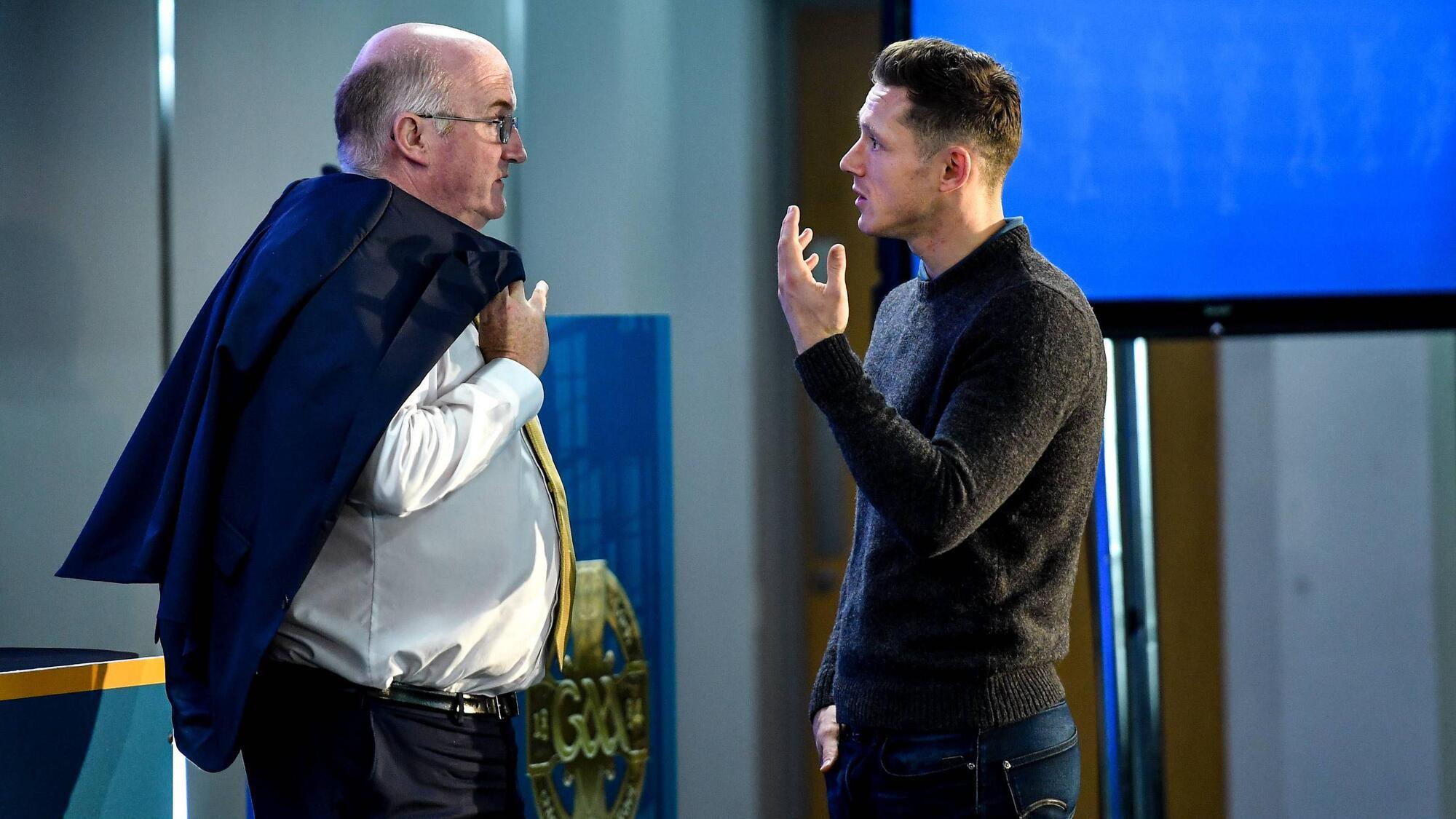
GAA president John Horan and GPA CEO Paul Flynn in conversation at the GAA Special Congress in Cork in 2019. The pair had a strong working relationship. Picture: Piaras Ó Mídheach/Sportsfile

July 2016 — the GAA and the Gaelic Players Association (GPA) finally agree a three-year funding deal after talks had earlier broken down. 

September 2016 — Dessie Farrell announces his intention to step down as GPA chief executive.

November 2020 — the GAA and GPA finally agree a new four-year deal after talks had earlier broken down. 

January 2021 — Paul Flynn announces his intention to step down as GPA chief executive.

History repeats itself once more for the GPA as they begin the search for their fifth permanent or acting CEO in as many years just as the incumbent signs off having secured the future of the official inter-county players body.

Are we to expect the same when the next protocol arrangement is agreed in 2025 or ’26?

Well, after 13 years in the role, Farrell realised he had brought the GPA as far as he could. That 2016 funding agreement with the GAA, which guaranteed the GPA €2.5m per annum, may have been perceived as a windfall for them but part of the deal meant Croke Park had a lot more control over them than they did before. As one senior GAA official told us, “We have a finger now in all of their pies.”

Part of the old GPA died that July day in 2016. To survive, it had to and with it Farrell and the rebel guard bid adieu, although some of them have remained on in unofficial advisory capacities.

Whether he saw the end coming after inking the new agreement, Flynn’s last 12 months as CEO were by far his most productive. Although, last year did start off shakily when the GPA surprisingly took exception to GAA director general Tom Ryan’s annual report and considered themselves as the organisation’s “problem child”. But at the time funding talks had stalled and brinksmanship was the order of the day.

That niggly relationship continued well into the year when the GPA got the jump on the GAA in August by calling for a split season. GAA president John Horan had seen the merit of the club and county seasons being given exclusive blocks and with that in mind reconvened the fixtures review group. But before he could announce that, the GPA had already endorsed the idea.

For a group known for their sluggishness and being reactionary, it was a clever piece of work, as was their announcement to merge with the Women’s Gaelic Players Association. Combining forces with camogie players and ladies footballers is considerably easier than the GAA trying to bring the two female sports’ governing bodies under its auspices, but it has shown the way.

In October, close to the resumption of the inter-county season, the GPA were accused of reverting to their old ways of acting at the 11th hour when they revealed a quarter of players did not want it going ahead. The timing drew heavy criticism but it prompted further reassurances from the GAA regarding Covid protocols.

Flynn is set to move to the health sector to work with Fergus Clancy, chairman of the GPA’s board of directors between July 2017 and ’20. He leaves just as Larry McCarthy is about to assume the president’s office on the ground floor of Croke Park, which may not be coincidental, given McCarthy’s strong views about the GPA.

Let us remind you of what McCarthy has said about the GPA in the last 18 months: “There is a streak of arrogance in the organisation”; “They’re like pirates when they come to America”; “I would love to see them stop ultimately (fundraising in the US) and at least stop in New York”.

Last March, a month after McCarthy became GAA president-elect, the “cantankerous” relationship, as McCarthy described it, between New York GAA and the GPA improved when the GPA agreed to provide the local board with a percentage of its fundraising events in the city.

But it was an achievement for Flynn to sign off on the new deal before McCarthy took charge. Irrespective of the Covid situation which had undoubtedly impacted on the latest deal, McCarthy had his eyes trained on cutting GPA budgets.

As he said in September 2019: “There was an €800,000 (player services) agreement that the GAA would give to the GPA, I’m not sure we can continue to afford that.”

That isn’t to say that it was all bonhomie between Flynn and Horan. They had at least two major fallings out during Horan’s three years in office, the first regarding the experimental rule to limit the number of consecutive hand-passes and the other concerning the funding negotiations. But ultimately Horan was someone with whom he was able to work.

As McCarthy takes the reins and more expense reductions on the way, there are elements of the future that are uncertain for the GPA.

To the best of his ability, Flynn filled the chalice, but for his successor it could yet be poisoned.
BrĂ­d Stack truly hard done by in Oz

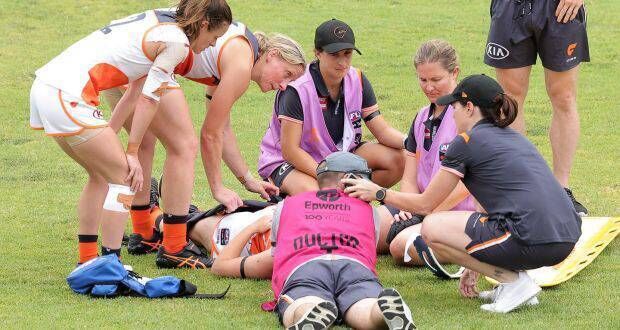
GWS Giants' Bríd Stack is attended to by medical staff.

Reaction in Australia to Bríd Stack’s powerful column in Saturday’s Irish Examiner has been considerable as it has been mixed with several on social media arguing inexperience of Australian Rules was the primary reason for the extent of her injury.

An 11-time All-Ireland winner, a person who chose with her husband to take a career break and move down under with their young son, we seriously doubt that Stack was ignorant about the rules of the game or the need to protect herself. Stack is only a rookie by name.

If the Adelaide Crows were so convinced their player Ebony Marinoff did nothing wrong, why did their legal team look to highlight an earlier incident involving Stack before later withdrawing it? A forearm on the neck is a forearm on the neck.

On Marinoff’s part, there was a duty of care to her opponent but that point seems to be missed, certainly by her Crows team-mates who opted for the stock hurling defence of her not being that kind of player.

That may be so, but in sport good character shouldn’t be a huge mitigating factor.

Considering the season, which now looks in jeopardy because of Covid, lasts nine weeks, a three-match ban was on the harsh side but for Marinoff to walk away without any form of punishment was ridiculous; almost as ridiculous as her comments after the successful appeal where she painted herself as the victim.

Last time we checked, her neck wasn’t in a brace.

In such a new sport, the lack of precedent certainly didn’t help and as some observers in Australia have highlighted had it taken place in the men’s game, there would have been at least a one-match ban issued for recklessness.

Giving Super 8 another go next year would be a retrograde step

Dublin full-forward Paul Mannion surveys his options as Niall Kilroy, Fintan Cregg, and David Murray close in during their 2019 Super 8s contest at Croke Park. Picture: INPHO/James Crombie

News at the weekend that the GAA are considering giving the Super 8 another spin next year is disappointing.

Yes, last season was supposed to be third and final year of the All-Ireland quarter-final round-robin series and as GAA director general Tom Ryan said last summer there was an onus on the organisation to see that out if it were possible.

But so much has changed since. For one, there is the split season and even if the Super 8 can be accommodated in such a reconfigured calendar it has aged considerably when compared to the two football championship proposals put on the table by the fixtures reviews taskforce.

Are the GAA believing that with replays becoming less of an option and Dublin’s stranglehold showing no signs of slipping, that the Super 8 may help to make up even some of the shortfall of gate receipts experienced this and last year? 

In 2019, the GAA made €18.2m from the football championship (excluding provincial games), which included an All-Ireland final replay worth €3.5m. 

In 2018 when there was no replay, they earned €12.7m although Mayo, who could well replace Dublin as the cash cows of the GAA, were knocked out early. 

The last qualifier Championship in 2017 reaped €16.4m, albeit with Mayo featuring in quarter-final and semi-final replays.

The determination to start earning again is understandable but if the GAA do vote to change the football championship at Special Congress, let it be the four provincial conferences or eight or the league championship — not a proven failure of a system.

  • Email: john.fogarty@examiner.ie
x

More in this section

Sport

Newsletter

Latest news from the world of sport, along with the best in opinion from our outstanding team of sports writers. and reporters

Cookie Policy Privacy Policy Brand Safety FAQ Help Contact Us Terms and Conditions

© Examiner Echo Group Limited