John Fogarty: History smiling on Tipperary — and they’re not done yet
Dublin and Tipperary winning their respective semi-finals is not beyond the realms of possibility. But a fifth All-Ireland for Tipp? Stranger things haven’t just happened; they’re happening
John Fogarty: History smiling on Tipperary — and they’re not done yet

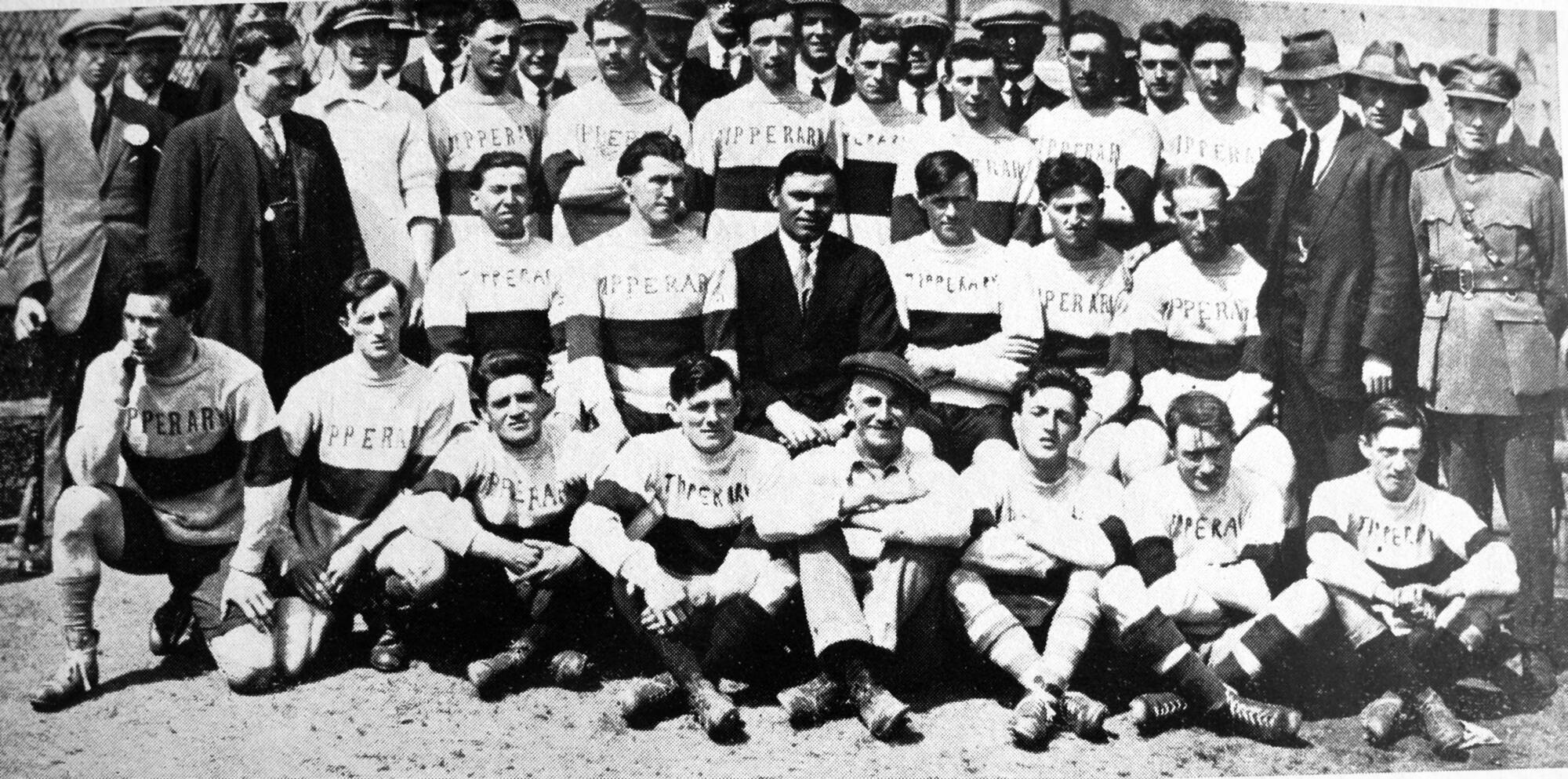
The Tipperary team, who won the delayed 1920 championship, pictured in 1922 with Dan Breen in the centre. As Fethard were senior county champions in 1920 — their clubman Ned O’Shea captained the team that day — Tipperary should have worn their blue and white jerseys on Bloody Sunday. However, as they were not deemed to be in good condition, the Grangemockler ones were chosen instead.

Sick of the 1920 resonance? Convinced that the two teams most capable of giving Dublin a game have now fallen by the wayside and all hope of a competitive finale is lost? Well, we can’t help you there but we encourage those romantic neutrals among you to read on.

Coincidence is very much alive and well in Cavan and Tipperary this morning. That some of the details of 100 years don’t align with now — Cavan won Ulster in 1920, but Tipperary had to wait two years before annexing Munster — doesn’t matter. Against abundant odds, they have completed the same last four of that similarly delayed 1920 championship.

Three of Tipperary’s four All-Ireland titles were postponed championships, played a year or two later. And not one of them or the Munster crowns that preceded them were claimed wearing their famed blue with gold band jersey.

In 1889, Bohercrowe, who would become Tipperary town’s Arravale Rovers, wore black and amber hooped jerseys when they beat Queen’s County (Laois). 

Arravale Rovers were also 1895 representatives when they won the first Jones Road final, in March of the following year. Although, Meath’s Pierce O’Mahonys were awarded medals for winning the All-Ireland “virtually” as a result of the referee totting up the scores incorrectly and it should have been a replay.

In 1902, green and white-clad Clonmel Shamrocks claimed the 1900 All-Ireland title with a facile win over London’s Hibernians when England was deemed a province by the GAA. However, they did not receive the Croke Football Cup, as previous winners Geraldine’s of Dublin refused to give it back.

The 1913 Munster SHC final in Dungarvan was the first time Cork and Tipperary wore distinctive county colours instead of those of the champion clubs. According to Phil O’Neill’s History of the GAA — 1910-1930, Cork wore saffron jerseys with blue colours and cuffs with a large C on the chest, while Tipperary were decked out in crimson with a gold collar and sleeve bands with the crossed keys of the Kings of Cashel on the front.

Three years later and Tipperary were back to wearing club colours. Indeed, as Fethard were senior county champions in 1920 (their clubman Ned O’Shea captained the team that day), Tipperary should have worn their blue and white jerseys on Bloody Sunday. However, as they were not deemed to be in good condition, the Grangemockler ones were chosen instead.

Tipperary again sported the white and green of Mick Hogan’s Grangemockler in the memorial game with Dublin a year later. Between 1917 and ’24, Fethard won all but one county senior football championship — that didn’t take place — but the Premier County again wore Hogan’s jersey in their triumphant 1920 Munster and All-Ireland championships in 1922. 

It was 1925 before Tipperary began wearing their famed blue and gold, the word “Tipperary” over the band with a gold shamrock before it was replaced by a tricolour.

After finally seeing off Clare in a replay in their Munster quarter-final in June 1920, it wasn’t until February 1922 that they beat Waterford in the next round, a combination of games in the province being suspended out of respect for Terence McSwiney’s death and the subsequent War of Independence. On the same site they beat Cork on Sunday, Tipperary dismissed Kerry in the provincial final played in April 1922. 

A month later in an All-Ireland semi-final against a Mayo side who had been waiting almost two years to face the Munster champions, Tommy Powell would be the goal-scoring hero for the first of two times in five weeks. Just one point was scored in the second half but it was enough for Tipperary to prevail.

Between their semi-final win over Cavan and the final, 21 months had passed for Dublin. “Under a broiling sun”, as The Freeman’s Journal reported, a classic was started by Dan Breen throwing in the ball just 17 days before the start of the Civil War.

Despite a typical goal from Dublin’s Kildare man Frank Burke in the first half, Tipperary remained steady thanks to the commanding display of O’Shea at the back. “It was a grim struggle ’til O’Shea was injured,” the Journal’s man wrote, “but resumed amidst cheers. Tipperary again asserted themselves on resuming and many Dublin players seemed tired on the going.” 

In the second half, Gus McCarthy found Powell and he finished past the great Johnny McDonnell to buckle Dublin.

“It was a victory of buttermilk over skimmed milk,” a priest told The Journal’s reporter afterwards, as documented in Michael Foley’s book The Bloodied Field. When the five-in-a-row champions are eating most teams without salt these days, no right-minded football-following clergyman would dare lay such an insult on them now.

Dublin and Tipperary winning their respective semi-finals is not beyond the realms of possibility. But a fifth All-Ireland for Tipp? Stranger things haven’t just happened; they’re happening.

Counties already gearing up for 2021

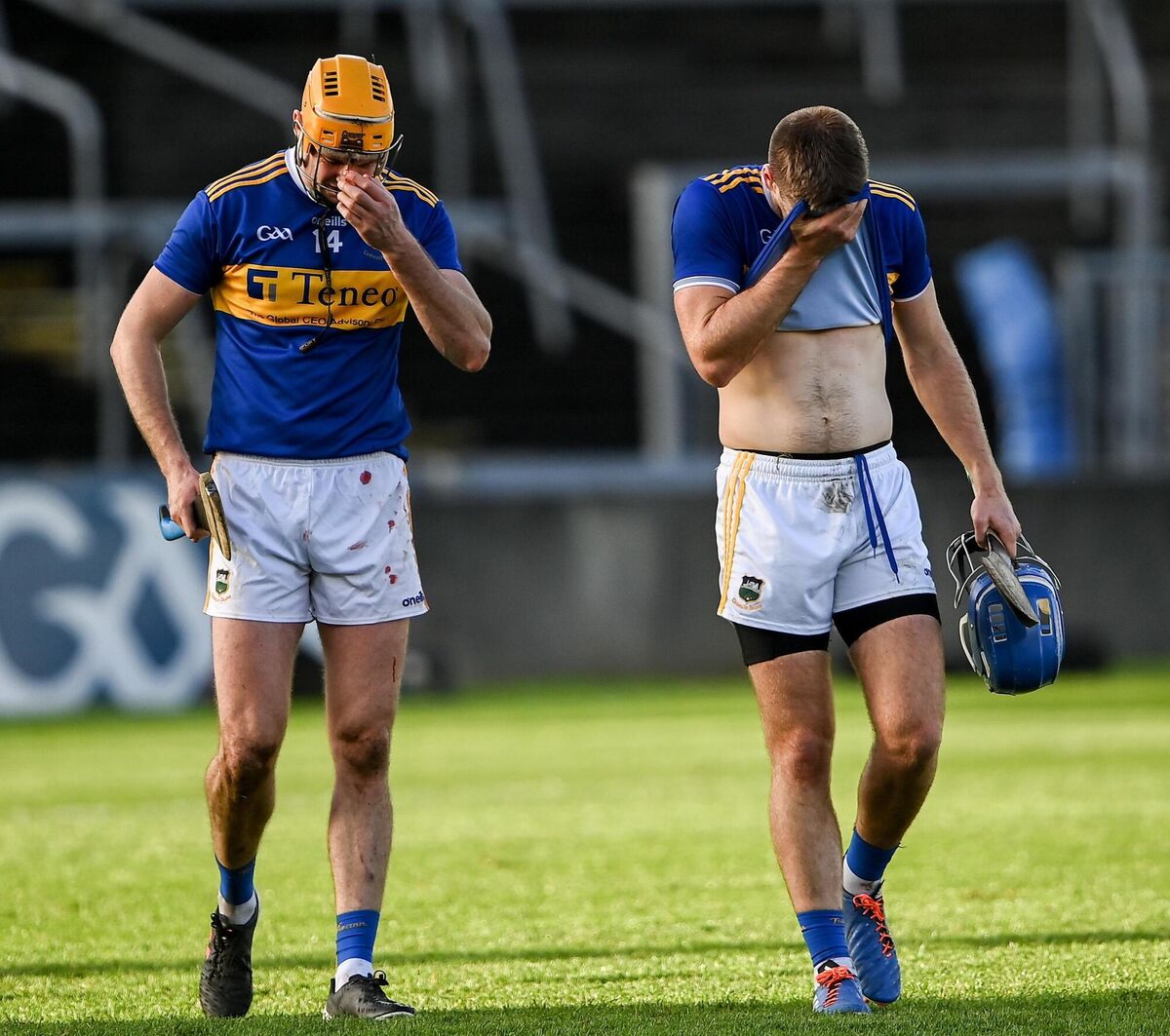
Tipperary players Séamus Callanan and John McGrath leave the field dejected after losing to Galway at LIT Gaelic Grounds. Liam Sheedy highlighted the 11 consecutive weeks Noel and John McGrath played for Loughmore-Castleiney. Photo by Piaras Ó Mídheach/Sportsfile

Next month’s All-Ireland winners will be kings for a maximum of seven months as the GAA looks set to bring forward the 2021 finals to July but in the history of the games they wouldn’t be considered significantly short reigns.

In September 1923, Kilkenny beat Tipperary in the postponed 1922 final five days before Galway won their first All-Ireland when they saw off Limerick in the ’23 decider.

Played in September 1924, the 1923 football final, won by Dublin against Kerry, fell less than seven months prior to the ’24 showdown when Kerry exacted revenge in April 1925. The next two finals fell between seven and nine months apart as the GAA caught up for time lost during The War of Independence.

With the start of the Allianz Leagues expected to be less than three months away and All-Ireland finals less than eight, plans for 2021 are already being put in place by many among the 33 teams who exited this year’s Sam Maguire and Liam MacCarthy Cups.

One team is already known to have returned to collective gym work this past weekend.

Aside from the quick turnaround, the biggest appeal about next year is how it’s shaping up to be a de facto split season.

Would that handful of inter-county managers who stepped down thought otherwise if they knew they would have exclusive access to their players until they exit the 2021 Championship?

Following Saturday’s SHC exit, Tipperary manager Liam Sheedy highlighted the 11 consecutive weeks Noel and John McGrath played for Loughmore-Castleiney. “No matter how good you are, to try and manage your energy after playing in two county finals and losing both of them by the narrowest of margins that’s a tall ask.”

Next year, those demands won’t come into the equation until after the inter-county season.
435 reasons why the Leinster SFC is dead

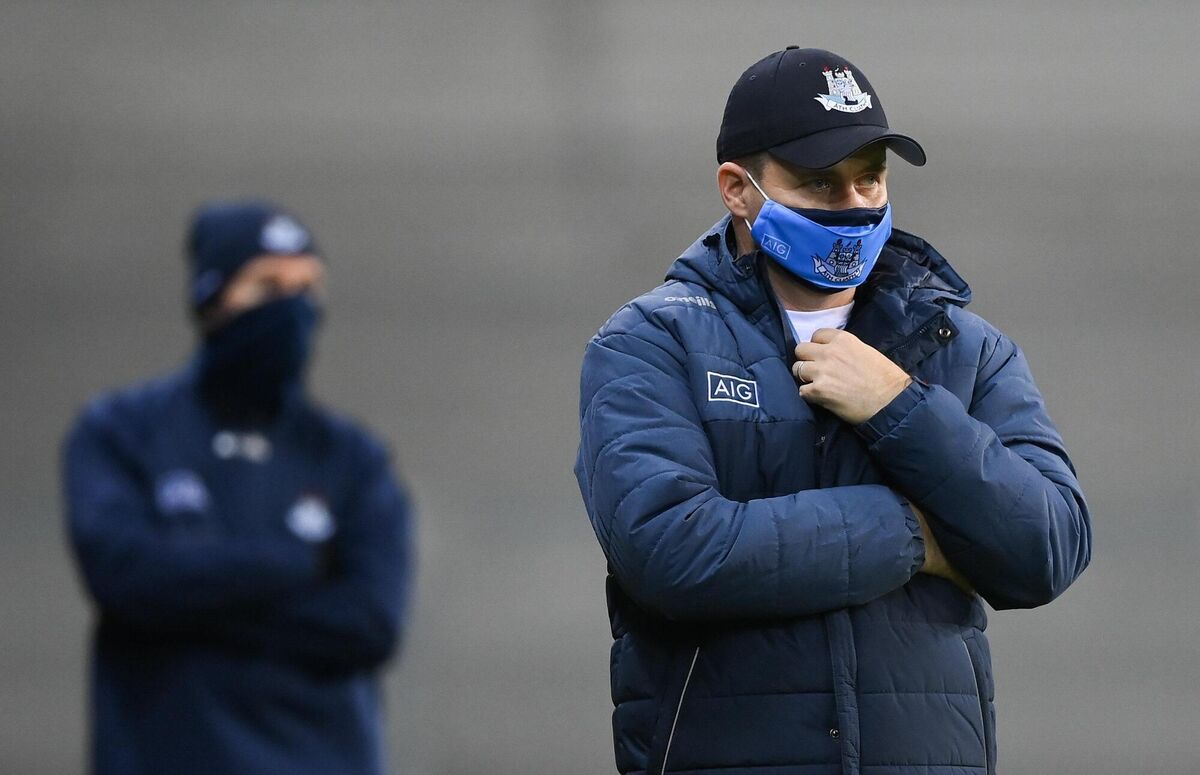
Dublin manager Dessie Farrell. Photo by Stephen McCarthy/Sportsfile

It is not a stretch to claim Dublin manager Dessie Farrell expected Donegal to come through Sunday’s Ulster final.

“Cavan have shown remarkable resilience but Donegal’s performances have been hugely impressive and I’m quite familiar with a lot of the talent they have up there,” Farrell said on Saturday evening, after seeing his team slay Meath.

“Declan Bonner has done a great job. Not alone have they gifted players on the field but there is impact off the bench as well. They have been exceptional in their previous outings so it will be interesting to see.”

Jim Gavin wouldn’t have allowed himself be a potential hostage to fortune but even if Cavan take some motivation from Farrell’s comments it’s not likely to be enough to propel them a most famous win.

On the back of a 10th straight Leinster title when their aggregate margin of victory in the province has been 435 points (that’s 14.5 points per game) since their 2011 quarter-final win over Laois, Farrell can afford to be wrong about other teams’ abilities so long as it’s not his own.

Can the Leinster Council continue to watch on as the reputation of their premier football competition has been shredded? They can. The gulf is not solely a funding argument but what they have given other counties has been paltry in comparison to that offered to Dublin by various sources down through the years.

Will anything change?

When the GAA have advised counties to “remain conservative — 2020 is not the year to consider contentious motions” it’s unlikely.

  • Email: john.fogarty@examiner.ie

More in this section

Sport

Newsletter

Latest news from the world of sport, along with the best in opinion from our outstanding team of sports writers. and reporters

Cookie Policy Privacy Policy Brand Safety FAQ Help Contact Us Terms and Conditions

© Examiner Echo Group Limited