John Fogarty: The best bit of public relations the GPA has ever done? It may well be
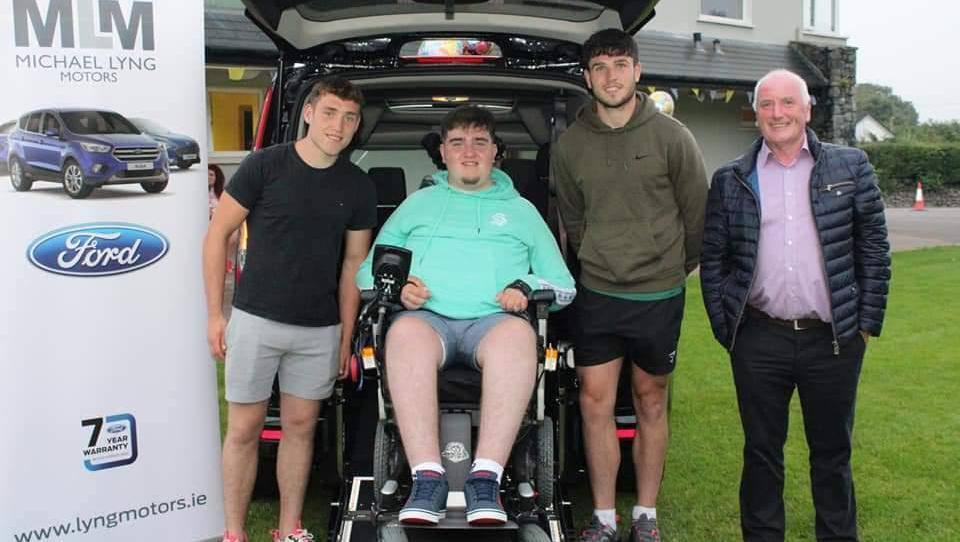
Spa clubman Ian O’Connell was presented with a new wheelchair accessible vehicle at his club grounds on Friday. On his 19th birthday, O’Connell was surprised to be presented with the new car having received his first vehicle courtesy of the KN Group All-Ireland GAA Golf Challenge and Michael Lyng Motors in 2018. Funded by friends of the Challenge and Lyng Motors, Ian is pictured with his new Ford Tourneo Connect flanked by Spa’s Kerry senior stars Dara Moynihan, Liam Kearney, and Michael Lyng. Ian was paralysed from the neck down after falling off his bicycle in August 2017.

The split season is getting so much support right now that you would almost wonder if there are any dissenting voices.
There most certainly are and we should hear from there in good time. The perfectly sensible hooter/clock was almost universally backed and flew through Congress only to be shot down for reasons some of which were spurious to say the least.
But on this occasion, the split season has GAA president John Horan behind it. He may only have six more months in office but he has enough power to call a virtual Special Congress or have the split season put on the Clár of Annual Congress next February.
Horan sees so much merit in the idea that he moved to explain he was thinking about it in early July, well before the Gaelic Players Association (GPA) endorsed running the inter-county season separately last Friday week.
“What heightened more awareness for us was possibly the chairpersons’ meeting, where it was quite obvious they were faced with a great challenge to separate the club programme from the inter-county training,” he told the Irish Independent on Saturday.
Prompted by a crisis, the idea now sounds and looks so good that there is an intriguing battle to see who thought of it first. It is now suggested that Horan reconvened the fixtures review task force tomorrow to specifically look at how a split season, starting with county, could start.
If that is true and the GPA knew that it was on the agenda then they have been particularly clever in getting it out there so that the perception is it was their brainchild. So many times the GPA have reacted slowly and in a wishy-washy way to ideas — the Super 8 being the prime example — that this sort of proactivity would have to be admired.
If it isn’t true and it’s actually the GPA that not just gauged the mood of the inter-county playing body but that of the association these last five weeks, then it is incredibly astute. Either way, it was the best bit of public relations the players body has possibly ever done.
The problem is we might not see anything happen until 2022 at the earliest. Horan admitted as much when he said running a split season next year would be “too risky to try and introduce a completely new structure in a period that is really uncertain”. At least there seems to be the will for change.
Now that there is growing consensus about what the GAA season may look like in the future, how about the various stakeholders come together in ensuring there is one this year? It will come down to money primarily but the revival of the split season indicates a determination to get things done.
The GPA, like the GAA at central level, has exacted wage cuts, and already expect that they will see only a fraction, if any, of the €1.2 million in nutritional expenses provided to inter-county players. The mileage fund, which had a limit of 1.5m, will also be significantly reduced. In this financial year ending on October 31, the GPA's core funding will be a small proportion of the €2.5m they annually receive.
But the GPA knows their members want the Championship played. They also know that their best chance of finances recovering in the next financial year depends on a Championship taking place in it. If short term sacrifices have to be made then they will be made.
County boards, even those so keen to write off 2020 in a representative playing capacity as well as financially, know they have a duty to put teams out. The promotion of games is at the very essence of what the GAA is about and if they’re not at the start line it could have long-lasting ramifications.
It’s not surprising that the counties flying the idea of not playing in the Allianz League and/or Championship are those who already know their fate isn’t pretty. At least Laois want to play Leinster SFC but at best they will be beaten by Dublin in a Leinster semi-final. In their Connacht quarter-final, Leitrim face a Mayo team 15 places above them in the league. Here’s a question: would they be so down in the mouth if they had something tangible to aim for like a Tailteann Cup?
Heaven knows they have incredible challenges to get their teams to the field but it can be done and this is where Croke Park comes in. Teams having to travel in three buses rather than one because of social restrictions? Don’t the GAA have an official car partner? The extra overnight costs incurred in booking single rooms for the same reason? A hotel chain willing to facilitate a Championship would receive incredible publicity.
What we’re saying is it can happen. When the GPA is willing to dim the spotlight on themselves and cut the inter-county season, anything can.
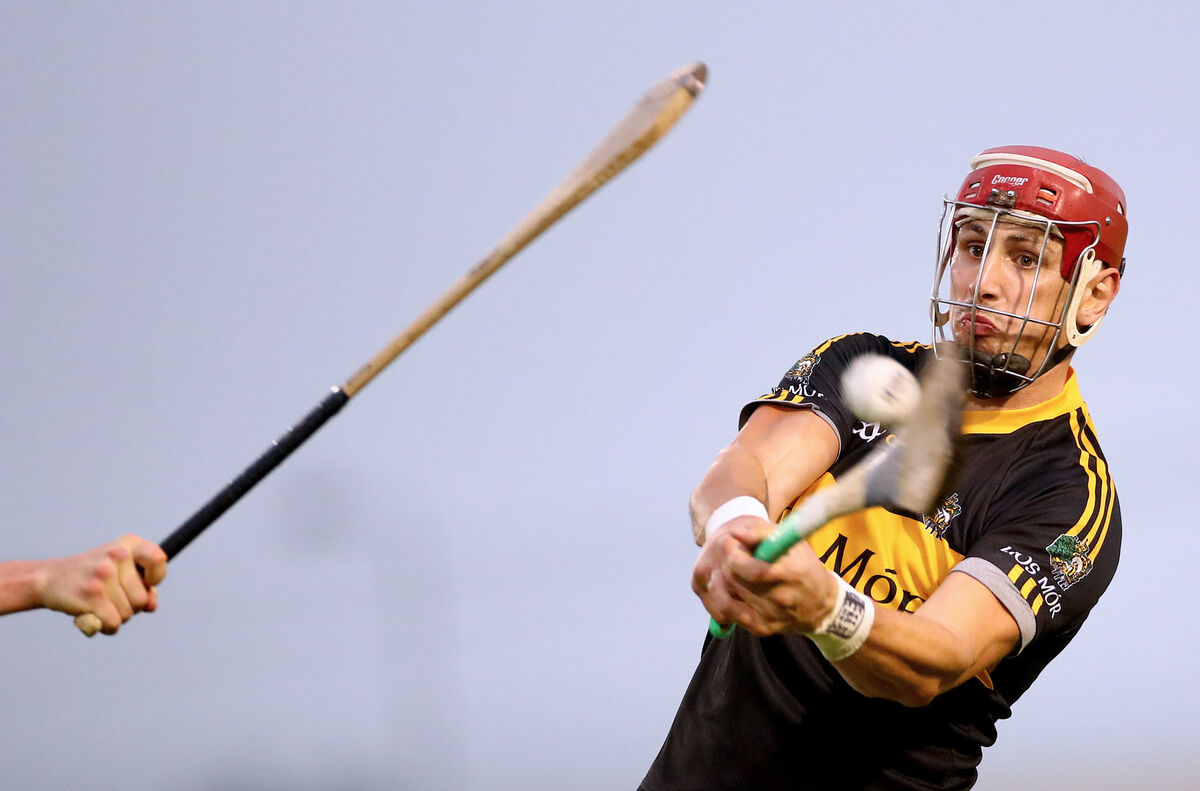
Aside from form, what may also have Cahill thinking differently is the time of year the 2020 Championship will be played. If Connors and Shanahan, both 30, were omitted because Cahill believes they can’t get around the field as much as they used to, surely the heavier sod of autumn works in favour of the pair. If ever a Championship called for wiser, experienced heads, it’s this one.
john.fogarty@examiner.ie