Dairy farmers get ready to navigate new anti-parasitic regulations
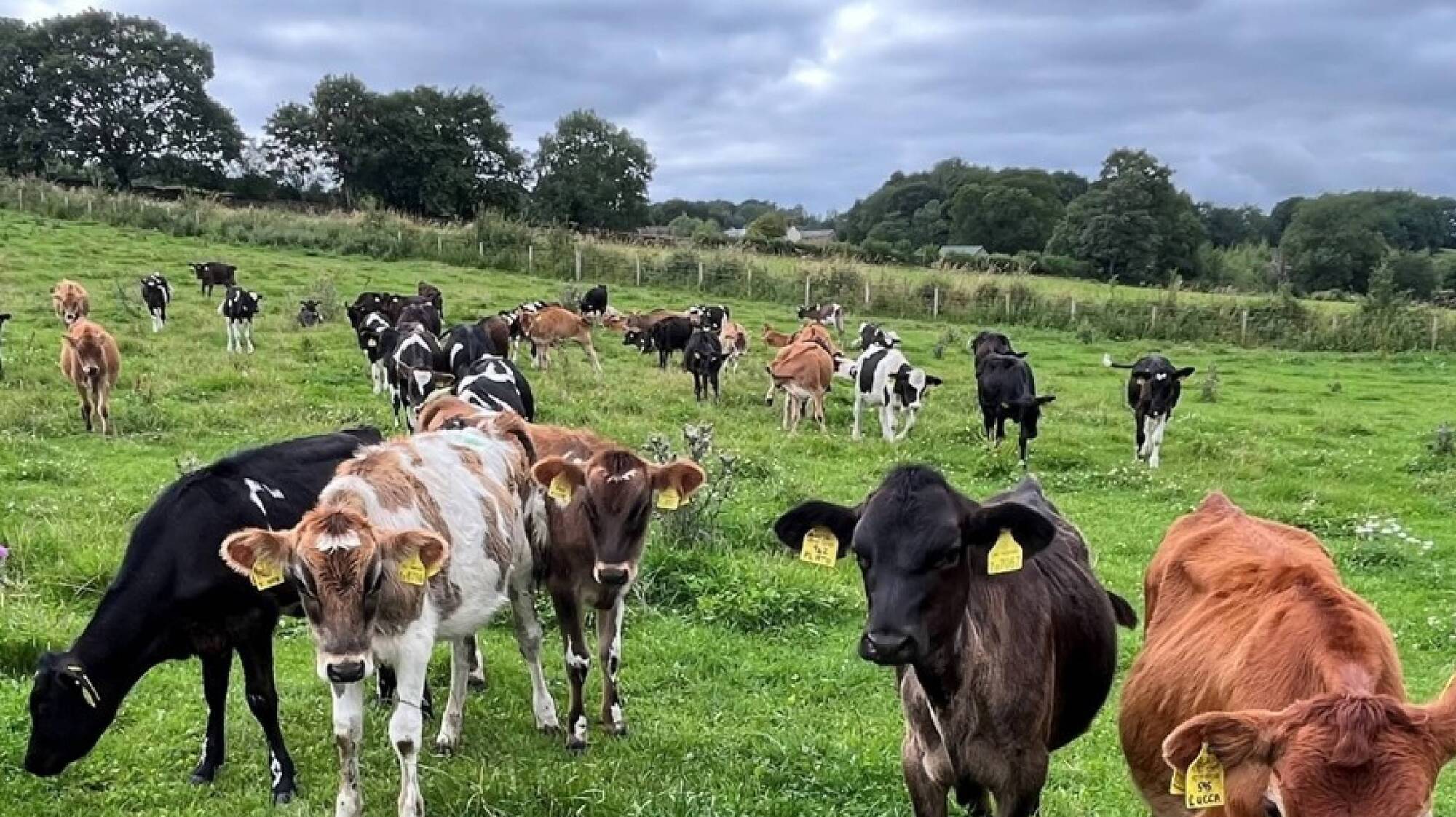
Persistent wormers continue to protect cattle from re-infection after treatment
HERD HEALTH SERIES: , veterinary adviser with Norbrook.

Following the turnout of cattle this spring, the industry will start to navigate the new up-regulation of anti-parasitics in earnest. The principles of responsible prescribing and proper assessment haven’t changed, but busy farmers may need to allow additional time for a veterinary prescription.
Parasitic gastroenteritis (PGE) is commonly caused by gutworms Ostertagia and Cooperia. As cattle are turned out, they start to ingest overwintered infective larvae, acquiring low level worm burdens that complete their lifecycle and become egg laying adults. In turn these worms serve to further contaminate the pasture with eggs. As pasture contamination builds up, the risk of disease increases throughout the summer resulting in two peak periods of risk: three-four weeks post turnout and then again in July.
Farms with limited clean pasture (i.e. grazed by cattle in the previous season) are considered high risk, so cattle with lower immunity should be monitored carefully and a season-long worming programme established.
Pasture not used by cattle in the previous year or silage aftermath is lower risk, so consider moving vulnerable groups (first season calves) there to avoid peak L3 larvae infection at the end of June or beginning of July. If you are in doubt as to the level of pasture contamination, Faecal Egg Counts (FEC) six-eight weeks post turnout will help to assess the worm burden.
As well as pasture, we also tend to group animals according to risk. In a seasonal calving system like Ireland, it tends to be young stock in their first grazing season (FGS), second grazing season (SGS) and adult cattle.
Calves in their first grazing season are completely naive and therefore are at high risk of parasitic infection. After three-four weeks on pasture, they will have picked up some worms but also have been able to build up some immunity. At this point a first worm treatment may be justified in situations of high infection pressure.
Immunity to Cooperia occurs during the first grazing season, but it may take up to the end of the second grazing season to establish immunity to Ostertagia. Because it takes successive waves of exposure to build effective immunity, SGS cattle may still need anthelmintic treatment, but it might not be necessary until later in the summer.
Older cattle should have acquired some level of immunity to gutworm, so it is important that the need to treat is balanced between the effects on the wellbeing and performance of cattle and a responsible approach to the prescribing and use of anthelmintics.
Where possible, your vet will prescribe different treatment regimes based on management history and risk of infection.
Achieving a balance between allowing enough exposure to stimulate immunity, but not so much as to cause pathogenic burdens of worms is critical to sustainable worm control. Protective immunity can develop in youngstock alongside the use of anthelmintic treatments.
Short-acting wormers such as levamisole can be useful when balancing exposure and treatment. Levamisole has no persistency, so may be a suitable initial grazing treatment, or primer dose that allows immunity to develop following exposure to gutworms early in the season.
Persistent wormers continue to protect cattle from re-infection after treatment. Actives that have persistency, like doramectin mean further worming may not be necessary for another six-eight weeks following treatment. This can be especially useful for groups of cattle not being handled regularly.
Most farmers will try to minimise the number of times cattle at grass are handled. So if you’re thinking of worming cattle in the coming weeks, it may be a good time to consider a vitamin or mineral drench. The ProVitaMin range for cattle and sheep helps counteract deficiencies and support health, growth and fertility throughout the season. Ultra-concentrated for easy drenching, ProVitaMin contains a wide range of vitamins, minerals and trace elements to improve cattle health.
Visit norbrook.com for more information.