High risk of seasonal lungworm
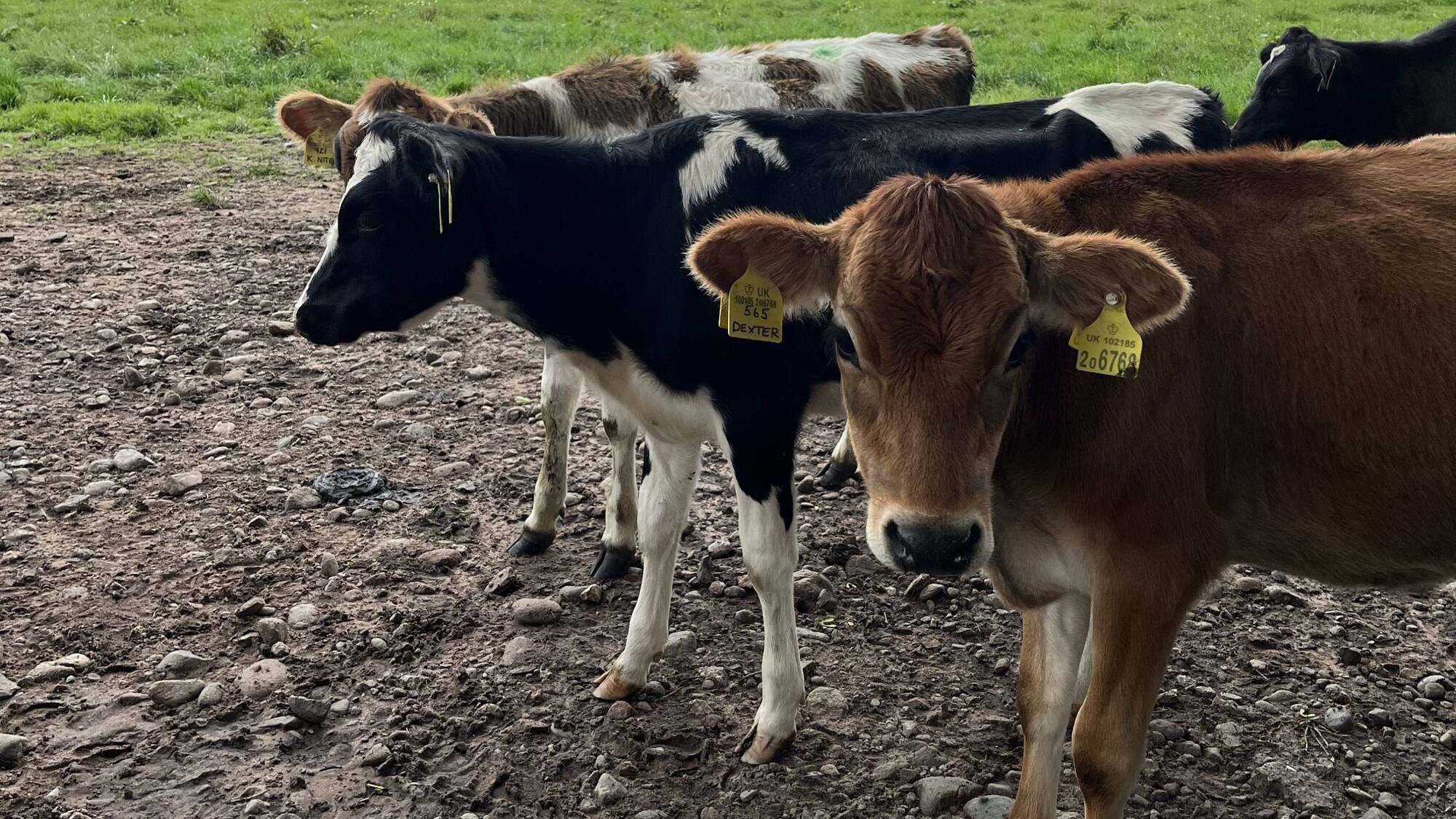
This summer’s warm, humid weather and recent rainfall have created ideal conditions for a sudden outbreak of coughing cattle, advises Maura Langan, veterinary adviser with Norbrook.
HERD HEALTH SERIES: , veterinary adviser with Norbrook, offers essential advice on promoting herd health

Lungworm is a common problem on many farms at this time of year. This summer’s warm, humid weather and recent rainfall have created ideal conditions for a sudden outbreak of coughing cattle.
We typically expect to see clinical cases occurring late July or into August. This allows for larvae ingested earlier in grazing season to complete their lifecycle within the animal and be excreted back onto the pasture. Development of lungworm larvae on pasture is accelerated by warm weather (over 20°C). Larvae may then be dispersed from the dung pat by a fungus or by the splashing effects of rain, rapidly contaminating large areas of pasture.
Larvae travel to the lungs and mature in the airways, triggering inflammation and respiratory distress. Symptoms may show from as little as 1-2 weeks after ingestion, making lungworm one of the few parasitic diseases that can present dramatically and unexpectedly, even in well-managed herds. Lungworm affects both young and adult animals and can result in long-term lung damage or even death.
The severity of infection and development of the disease throughout the herd is variable and unpredictable, making lungworm particularly challenging to control. First season calves are completely naïve and if exposed to large numbers of lungworm the resulting clinical infection can be devastating. Young stock will require repeated moderate exposure over the grazing season to develop protective immunity, but the persistency of that immunity varies.
This variability in immunity can lead to severe respiratory signs when cattle are exposed to a heavy larval challenge, irrespective of the age of cattle. It is this reinfection syndrome that is responsible for coughing in adult dairy cows commonly referred to as “coughing cows”.
Early signs are often subtle — a light cough when animals are moved or exercised. But this can quickly develop into more noticeable symptoms such as persistent coughing, laboured breathing, drop in appetite, and reduced growth or milk yield.
Farmers need to remain vigilant to the clinical signs of lungworm in all stock and treat the whole group promptly. If you suspect lungworm in your herd, it’s important to take advice. There could be other reasons your cattle are coughing, so your vet may need to take faecal samples, bloods, nasal swabs or lung washes.
Your vet may recommend treatment with levamisole due to the active’s unique mode of action. It kills the lungworm by spastic paralysis which may allow for the dead lungworm to be coughed up more easily. Levamisole is available in both drench and injection form and provides effective treatment of both lungworm and gutworms.
Alternatively, the use of a persistent wormer like doramectin (pour-on or injection) can provide protection against lungworm for at least 5 weeks to cover the potential risk period.
Your vet will recommend treating the entire group, not just visibly sick animals, as infection levels can vary and subclinical cases can still contribute to pasture contamination.
Animals showing severe respiratory signs should be closely monitored following treatment. In some treated cattle, the sudden death of large numbers of adult worms in the lungs may cause a significant inflammatory response, causing the animal’s condition to worsen before it improves.
Additional supportive therapies, such as non-steroidal anti-inflammatories or antibiotics, may be needed to control secondary infections or inflammation. Severely affected cattle may also benefit from being housed or moved to a less contaminated pasture to reduce further exposure.
Grazing management can play a role in lungworm control. Rotating pastures allows time for larval die-off, while mixed grazing with sheep can disrupt the parasite’s lifecycle. As well as diagnosing and treating any current lungworm issues, your vet will be able to offer long-term advice including pasture management, strategic use of anthelmintics, and vaccination where appropriate, to help reduce the risk of future outbreaks.
Visit norbrook.com for more information.