'Skills to identify and solve conflict are a very important part of leadership'
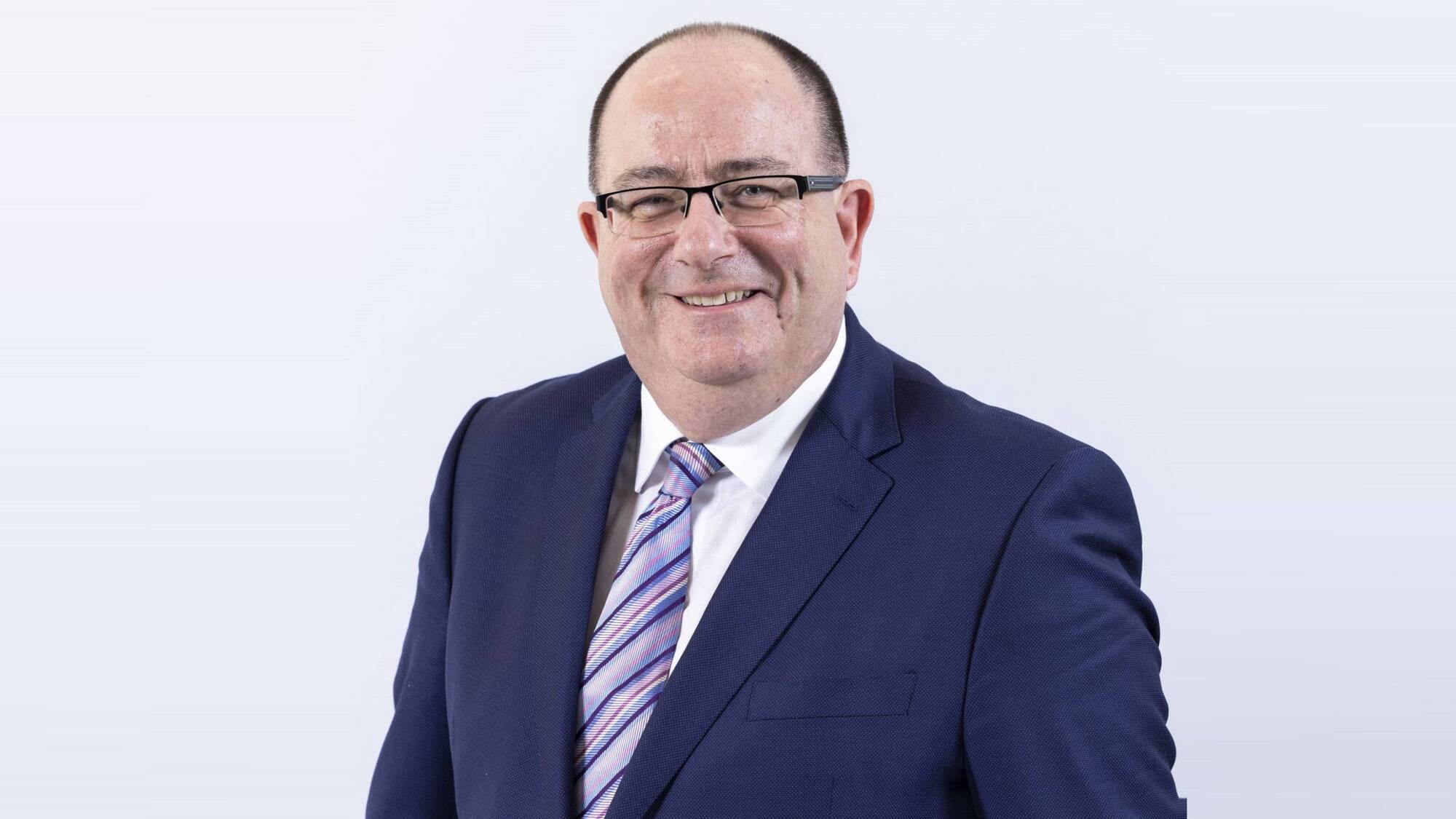
Preventing burnout and digital overload is just as important as protecting staff from physical injury at work, says Navigo Consulting MD Brendan Lenihan.
DELOITTE LEADERSHIP SERIES: Brendan Lenihan, Navigo Consulting
“Think straight, talk straight” was an early leadership lesson acquired by Brendan Lenihan, dating back to his career time spent in the United States with Arthur Andersen Business Consulting. “That follows on to the distinction between leadership and management, as observed by Peter Drucker many years ago — ‘leadership is about doing the right things, whereas management is about doing things right’. The job of company executives is to make sure the machine works, but where a board and a chair comes into its own is making sure we’re doing the right thing.”
In terms of encouraging, building and fanning the flames of hope, particularly in early-stage ideas, Brendan adds the phrase “leaders are dealers in hope” — attributed to Napoleon. “Boards are essentially decision factories with incredibly limited opening hours — you have a window, and you have to hit the mark, if you don’t, you’re done.”
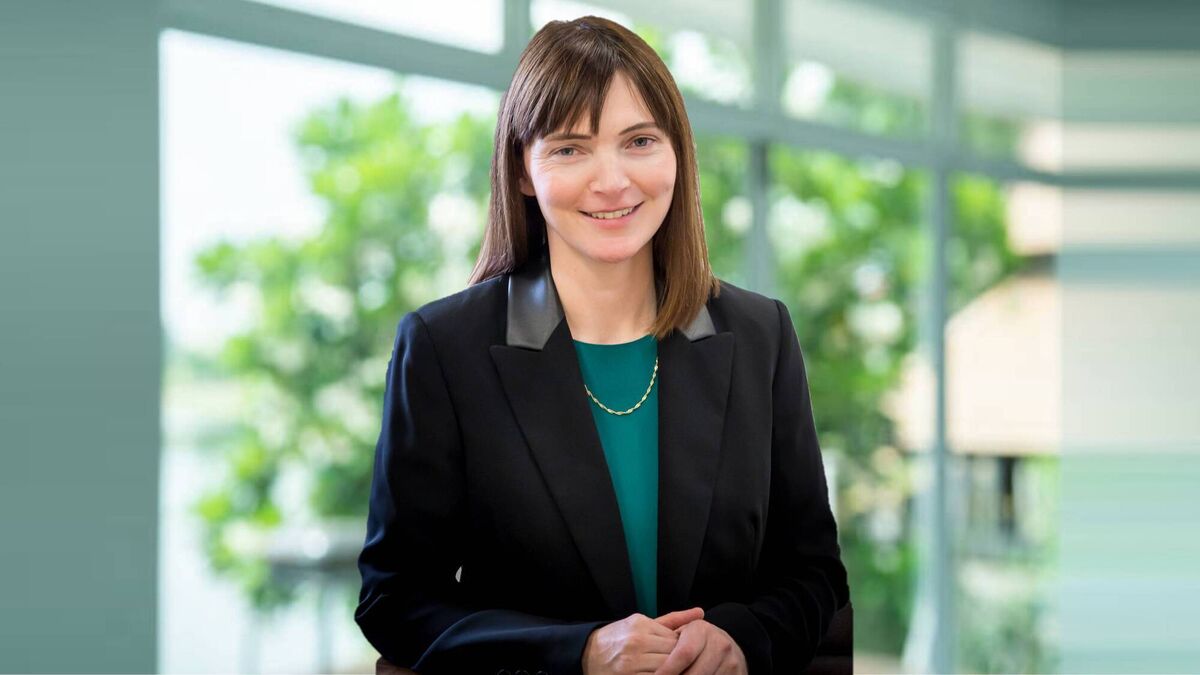
In a nation buffeted by an economic meltdown followed almost directly after the uncertainty of a pandemic, Carmel made the point that hope and optimism were never more needed than in the last decade. “Cultures are really important and powerful in both directions, and can be really creative and positive or really destructive,” Brendan believes. “When you put people together in a group there is a major risk they will become over-confident, buying into a narrative to the exclusion of the data. There is a balance to everything, and we saw the best of that in Ireland through Covid, as evidenced in the social cohesion, community resilience and support for each other. In that regard, we were far more resilient than other nations during that challenging time.”
A trusted and experienced adviser to a large variety of clients from sizeable corporates to family businesses as well as individuals, charities and public bodies, Brendan’s wide-ranging career includes Arthur Andersen Business Consulting Partner, in addition to past President of the Institute of Chartered Accountants in Ireland. A former external member of CIE Group Board Audit & Risk Committee and Chair of the Board of Directors of Irish & International Trading Corporation PLC, he has also been Trustee and Chair of Audit & Risk Committee to charities Pieta House and Good Shepherd Cork.
Brendan holds a Bachelor of Commerce degree from UCC, a Post Graduate Diploma in Professional Accounting from UCD, is a Chartered Accountant with over 25 years post qualification experience. He was recently awarded a Professional Diploma in corporate governance from Smurfit Business School, UCD. “It has to be an approach that is suited to your environment, and it has to be an approach that fits in with the business plan you’re trying to implement,” Brendan answered to Carmel’s query as to what solid foundations teams need in their arsenal.
Looking back over his more than thirty years in business, he cites the increased focus on diversity, inclusion and gender, tapping more into the wider ethnic talent pool now available in Ireland. “It is not yet at the level it should be, but still really refreshing.” Another “big picture benefit for Ireland” Brendan highlights is his experience sitting on the Government’s programme board for the end of Direct Provision: “Interacting with and supporting refugee communities shows how much those communities can give to us, and the tremendous benefits that will accrue from bringing into the fold people who have been outside of it to date.”
People get on well in their careers if they are good communicators, if they can take the information and turn it into knowledge. “People are built differently, they have different backgrounds, mental models, life experiences and different traumas they get from their lives. We are brilliant as human beings, but also terribly flawed. Trying to get the best out of people in those environments is not something I think will ever be automated. Leadership also encompasses conflict, which is almost inevitable within groups when you have people together working on a team, because of resources or lack of role clarity. Developing the skills where you can identify that and help to solve it is another very important part of the leadership challenge.”
Carmel, who holds a Business Studies degree from the University of Limerick and is an associate of the Irish Taxation Institute, with over 18 years professional tax experience working with a range of clients including domestic and multinational companies, wondered what Brendan’s three most important skills to develop as a leader would be. “The ability to communicate with clarity and with purpose at an inspiring level. Not just at an information transfer level, but at a level that can reach people emotionally. People must know why they’re doing this — what’s the goal, where are we going? Strategic thinking, and that’s probably systems thinking in the broadest context, is really important. I think it’s the people, the culture and understanding the mechanics of culture.”
While the visible parts include behaviour, communications and words — the things that you see in an organisation — there are two underlying big blocks of culture. “These are the group dynamic and the mindset ideas that drive that group dynamic. Organisations, be they boards or otherwise, are essentially human social systems first and foremost. Coming into that you’ve got to understand and feel very quickly who is praised, who is criticised, who goes home from the meeting lauded and happy, and who goes home feeling frustrated, embarrassed or uncomfortable. If you’re a good communicator, you have good strategic thinking and you’re able to pick up the cultural cues and decide whether it’s for you or not and whether it’s suitable to where you’re going or not.”
Brendan adds that being an accountant is a great start: “The plumbing of organisations is a lot more intuitive to you when you’ve qualified as an accountant, it gives you an understanding of the language and the lexicon of business. An understanding of risk is also incredibly important, the effect of uncertainty on whatever you set as your goals. Every time you set your goals, you should be saying ‘how can the world upset that, what is the effect of uncertainty here? No good plan survives contact with reality and the enemy.” Military people are naturally adept at this, he says, because when they set a battle plan they immediately have lives in their hands and the risk that goes with it.
Brendan also touches on ‘adaptive leadership’ — an idea which has emerged in recent times and encompasses the act of mobilising a group of individuals to handle difficult challenges. “It is the simply stated idea that you’ve got to spend your time in the hurly-burly of the dance floor, but you’re not going to be a good leader if you can’t put yourself on the balcony overlooking the dance floor on a regular basis. If you can’t get the big picture and be involved on a day-to-day level, you’re going to miss something significant. In essence, it’s about seeing the wood for the trees,” he concludes.
Carmel also acknowledged that May is Mental Health Awareness Month and the importance of looking after this aspect of people’s health. Deloitte has a philosophy that “minding our mind matters” and provides an array of supports to its people to assist them in this area. Brendan referenced the importance of mental wellness in teams — burnout, digital overload — for example. This is an area that leaders need to be aware of and is as important as protecting teams from physical injury at work.