Ireland can be a low carbon leader, says Statkraft boss
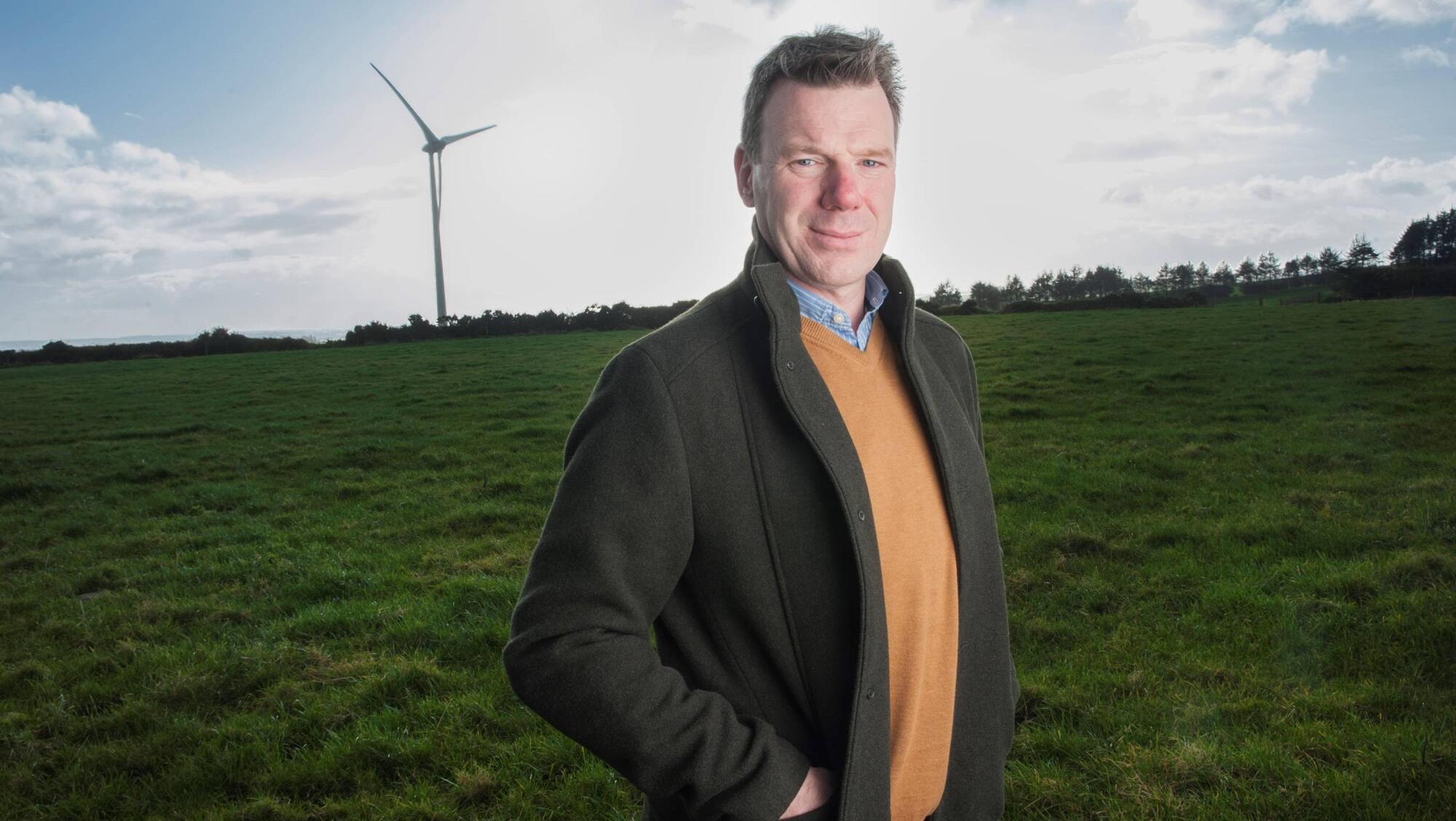
“The work we do at Statkraft is an example of the step-by-step approach Ireland must take to deliver on its targets," says MD Kevin O'Donovan.
Statkraft is a global leader in, and Europe’s largest generator of, renewable energy. From its base in County Cork, Statkraft Ireland produces a range of renewable technologies, including onshore wind, solar, offshore wind, battery storage and grid services.
At its helm is managing director, Kevin O’Donovan, who hails from Castlehaven in West Cork. Given the snazzy job, I enquire if he’s the parish posterboy. Assuring me that he most certainly is not, he adds: “It’s only footballers who are posterboys in Castlehaven.”
O’Donovan spent ten years playing football with the senior team. But we let that slide and focus on renewables.
With over 22 years in renewable energy project development behind him, O’Donovan’s a veteran in the sector. This fact wasn’t lost on Statkraft, Europe’s largest generator of renewable energy.
In October 2018, Statkraft bought Element Power, a company O’Donovan co-founded. The team that was there was retained in what became Statkraft Ireland, with O’Donovan appointed managing director.
Describing the four years that followed as a “magnificent success story for Statkraft Ireland”, O’Donovan continues: “Our workforce almost tripled. A huge portfolio of renewable energy projects was grown. Currently, we’re building a solar plant at Ballymacarney, County Meath, which at 200 megawatts, is the largest solar project in Ireland.
“We’re also building South Meath Solar; an 80 megawatt project, and we’re building several wind farms, with Cloghan, Taghart and Moanvane being just three.”
They’re building aplenty. Three years ago, they built a wind farm at Kilathmoy. They’ve also built the first two commercial-scale battery projects in Ireland.
Without question, Statkraft’s work is core to the change that’s needed to address climate action. O’Donovan puts it this way: “The work we do is a real life example of the step-by-step approach Ireland needs to take, to deliver not only on its targets, but also on the great potential we have.
“That might involve onshore wind, solar, or offshore wind. It might involve developing things, such as hydrogen as a fuel. Or it might involve our exporting through our interconnectors, the excess renewables we have on our system at certain times, so as to power other parts of Europe.”
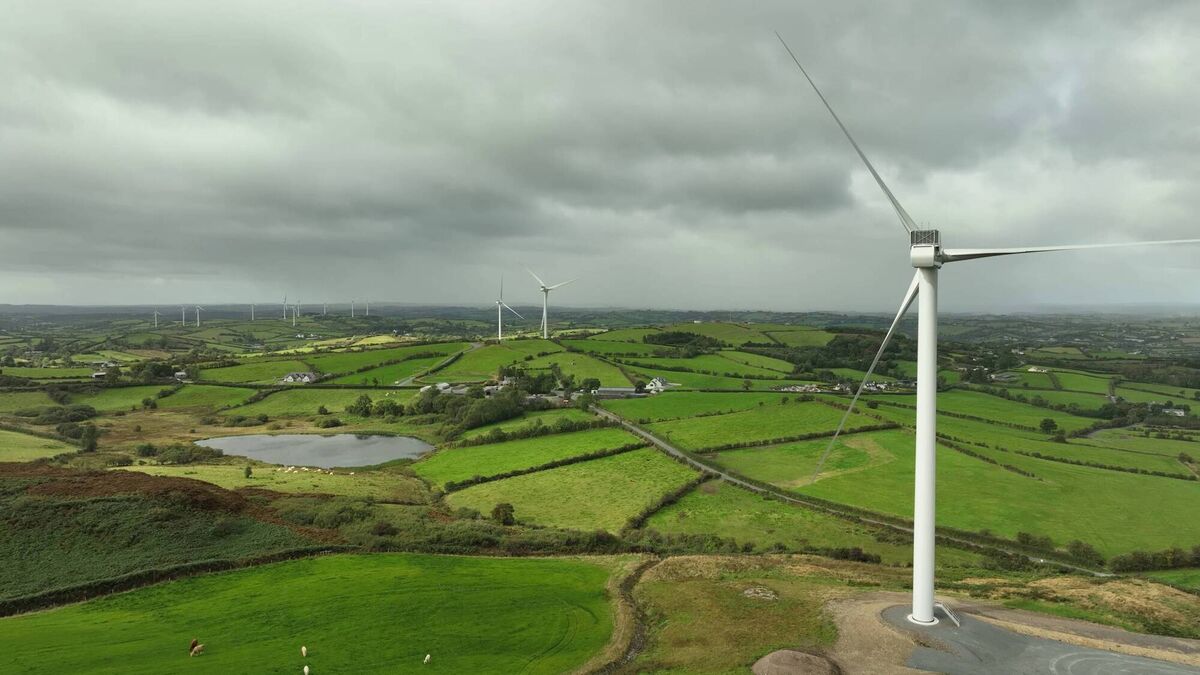
O’Donovan’s rightly proud of the work done by his team at Statkraft Ireland and stresses their core value in everything the company achieves.
The fact that we produced a record amount of wind energy in Ireland last month, has a material impact on the price of electricity that consumers are going to pay. O’Donovan says: “It’s really exciting to be part of that.”
As we continue to electrify our economy over the next decade, growth in electricity demand is predicted to be phenomenal. O’Donovan is confident the technology is there to support that demand.
“Our system operators are saying that even with the predicted increased demand, we can still keep this country’s lights on. They’re saying we can still operate the systems safely and stably in 2030, and this with 80% of our power coming from renewables.
“Technically, we can do this and it is a hugely positive story.”
To the cynics who might think well he would say that, wouldn’t he, there are a profusion of statistics that can’t be denied: Last month, wind energy provided 47% of Ireland's electricity, making it the country’s main source of electricity that month. This was confirmed in Wind Energy Ireland’s October report.
This means that wind energy supplied 33% of Ireland’s electricity demand this year to the end of October. This was the best October on record for the volume of electricity produced by Irish wind farms and the share of demand met by the country’s main source of renewable energy.
As the average wholesale electricity price fell to its lowest level since August 2021 the report emphasised again the contribution wind energy is making to insulating Irish families and businesses from the worst effects of the fossil-fuel energy crisis.
The figures around the extent to which wind energy drives down the price of electricity on the wholesale market are also heartening, according to O’Donovan: “On the days in October of this year, when it wasn’t windy, the price of electricity on the wholesale market was €200 per megawatt. On the days when it was windy, Irish electricity providers were able to buy that power for just €67 per megawatt.
“This is what wind energy is already doing for us on the system,” he says. “So, by 2030, when we will have even more wind farms, then, when the wind is high, even more of our electricity will be coming from wind, and that electricity’s going to be at a really low price.
“Wind energy has pushed the cost of energy way down when the wind was blowing. But come ten years from now, we will have solar power and offshore wind contributing as well. This will bring electricity prices down, on a far more regular basis. It will also take us away from being reliant on importing fossil fuels from wherever and the problems associated with that.”
Asked when we might not be reliant on importing fossil fuels at all he replies: “People say we are not going to get 100 per cent of our power from renewables; that we’re always going to need some fossil fuels. I think this will be the case for quite a while. But, if we can get 80% of our power by 2030 from renewables, that’s doubling where we are now. This means we’ll need less gas and we’ll be way less vulnerable to gas price spikes.”
The conversation then turns to North Irish Sea Array Offshore Windfarm (NISA), a Statkraft site to be based off the North Dublin/Meath coast. O’Donovan hopes the project can be operational by 2026: “We hope that An Bord Pleanála, the government, EirGrid and the other State bodies will enable NISA to happen, by providing sufficient resources and taking away any road blocks.
“We are going to need it. We are going to need more onshore wind, solar and offshore projects. Also, more batteries to support the grid system and more interconnection with the UK and Europe. We’ll need all this to make the transition to being a low carbon economy.”
It’s a fact that businesses nowadays, want to source sustainable green power. “If we don't upgrade our grid infrastructure in Ireland, we won’t be able to supply that for them, and that will impact on industry growth in Ireland,” he warns.
We can’t have it without making it happen?
“Exactly,” he replies, “and that is probably my key message: We have all this potential. But for us to make it happen, we have to build the requisite systems.”
Looking back over the two decades he has spent working in renewable energy, O’Donovan is positive: “It’s incredible how much we have grown. When I started in the early 2000s, the ESB said we can never put more than a few hundred megawatts of wind farms onto our grid, because wind is not reliable. Today, we have more than 4,000, almost 5,000 megawatts of power on the grid.
“That is an incredible achievement and my belief is that while it will be hugely challenging to achieve our 2030 target of 80 per cent of our electricity coming from renewables, and our longer term aspiration to have a zero emission system similar to a carbon neutral system at some stage beyond 2040, I truly believe we can achieve both.
“We can do it. The technology to deliver it is there and it will put us in a better place economically by delivering cheaper energy.
“As I see it, Statkraft is a key company helping Ireland to achieve its long-term climate and renewable energy targets and its presence in and commitment to Ireland is very long-term.”
With 4,800 employees in 19 countries, Statkraft is Europe’s largest generator of renewable energy. Providing hydropower, wind power, solar power and gas-fired power, it’s a global leader in energy market operations.
By providing renewable and sustainable energy solutions, Statkraft’s activities support the global transition towards a low carbon and climate-resilient economy.
In Ireland, Statkraft develops, builds, owns and operates renewable energy projects. The technologies at which it excels include onshore wind, solar, offshore wind, battery storage and grid services.
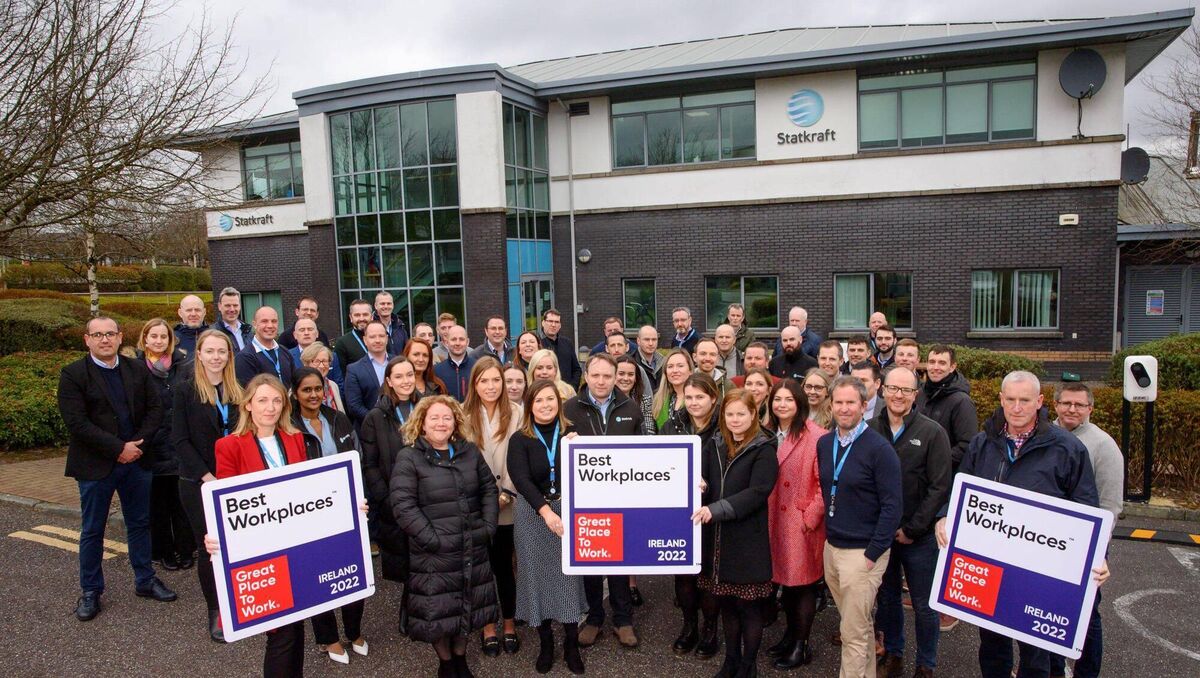
Since entering the market in 2018, employing almost 100 people across Ireland, the company has nearly tripled its workforce and tripled its development portfolio by making the most of this country’s significant renewable energy resources, particularly in terms of wind energy.
Further investments in Irish renewables fit well into Statkraft’s growth strategy. The company’s global ambition is to increase its portfolio of wind power assets to 6,000 MW and solar power assets to 2,000 MW by 2025. This includes an ambitious pipeline of projects in Ireland.
News emanating from the company tends to be a breath of fresh air, not least on the wind energy front.
In July of this year, Statkraft confirmed that ESB Networks (ESBN) energised the sub-station on Taghart Wind Farm, in County Cavan, making it the country’s first new renewable energy support scheme (RESS) wind farm to reach energisation.
In recent months, Statkraft confirmed that it began construction on Moanvane Wind Farm. Located in County Offaly, the project represents an investment of €86 million by the company.
In the same county, their wind farm at Cloghan, has the capacity to provide clean, green energy to approximately 27,000 homes.
Statkraft built the first grid-scale battery in Ireland at Kilathmoy. This 11MW, 5.6MWh lithium-ion battery opened its doors in County Kerry, in April 2020. It has a second, large-scale battery storage project – the 26MW Kelwin-2, which is located at Tarbert, County Kerry.
Statkraft Ireland was officially recognised as a great place to work last year and is participating in the industry certification awards again this year.
Not only is it a great place to work by industry standards, but it’s also a great place to work for those wanting to contribute first-hand to the making of a renewable future, and being part of the transition from fossil to clean energy. Better again, they’re recruiting right now.
To provide a glimpse of what it’s really like to work at Statkraft, Sarah Hayes, Ronan Creedon and Kate Kelleher — all of whom are based in Statkraft Ireland’s County Cork operation — decided to share their stories.
"I have been a member of Statkraft’s Asset Management Team for the last three years, working in a number of different operational areas such as technical reporting, quality management and community benefit," says Sarah Hayes, Corporate Social Responsibility Lead at Statkraft.
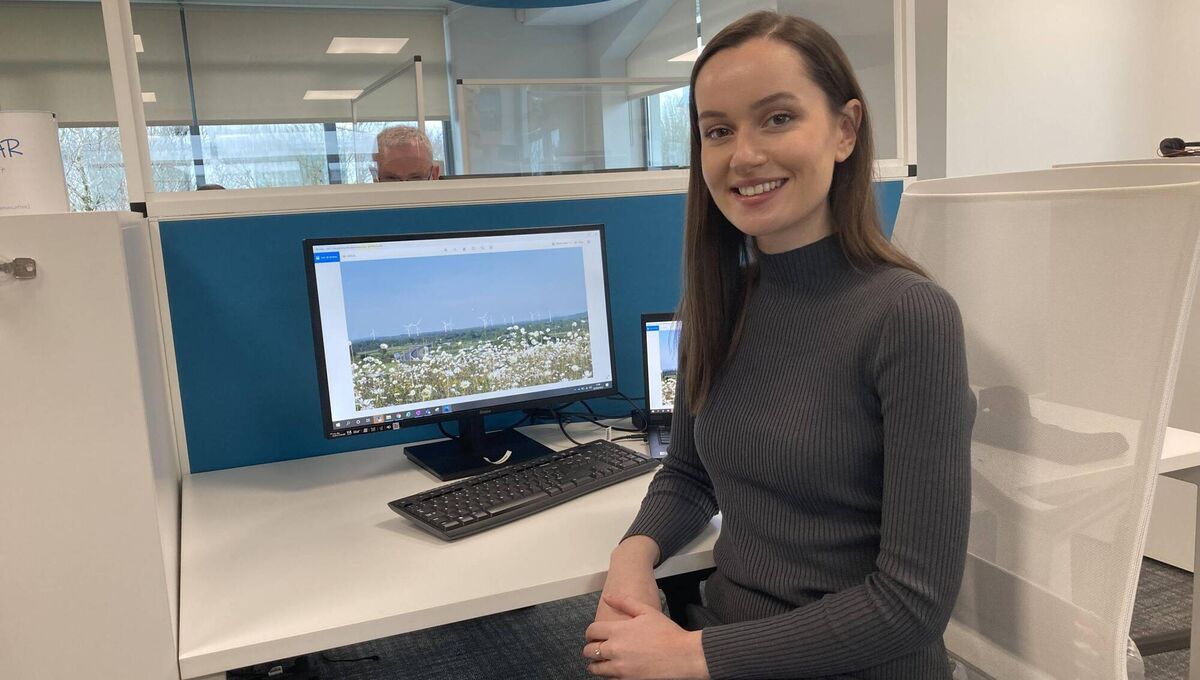
"Through the community benefit scheme, I have the pleasure of engaging with the community groups surrounding the wind farms and can see the positive impact that the funding has made.
"Recently I have taken the lead in rolling out a Biodiversity Plan to all our owned and third-party assets. This is a great opportunity to be part of an important All-Ireland initiative and to ensure we create a network of safe places for bees and other insects across the many different habitat types and ecosystems surrounding our assets.
"Having a central Cork office has had many benefits. Not only has Statkraft Ireland become a part of the ever-growing Cork business hub, but also, I have never had to worry about long commutes or having to relocate, as it has given me the opportunity to put down roots here in Cork.
"Since joining Statkraft I have had endless opportunities to continue to learn and improve both professionally and personally. It is great to be surrounded by such like-minded, talented people in which we all are working towards a common goal of a greener future."
"Working in renewables in Cork has allowed me and my family to move back from Australia. Having a company such as Statkraft, in Cork, gives me the opportunity to continue to work in renewables and create a sustainable future for my children (and their children) through the delivery of wind and solar farm projects in Ireland," says Ronan Creedon, Project Development Support Manager at Statkraft.
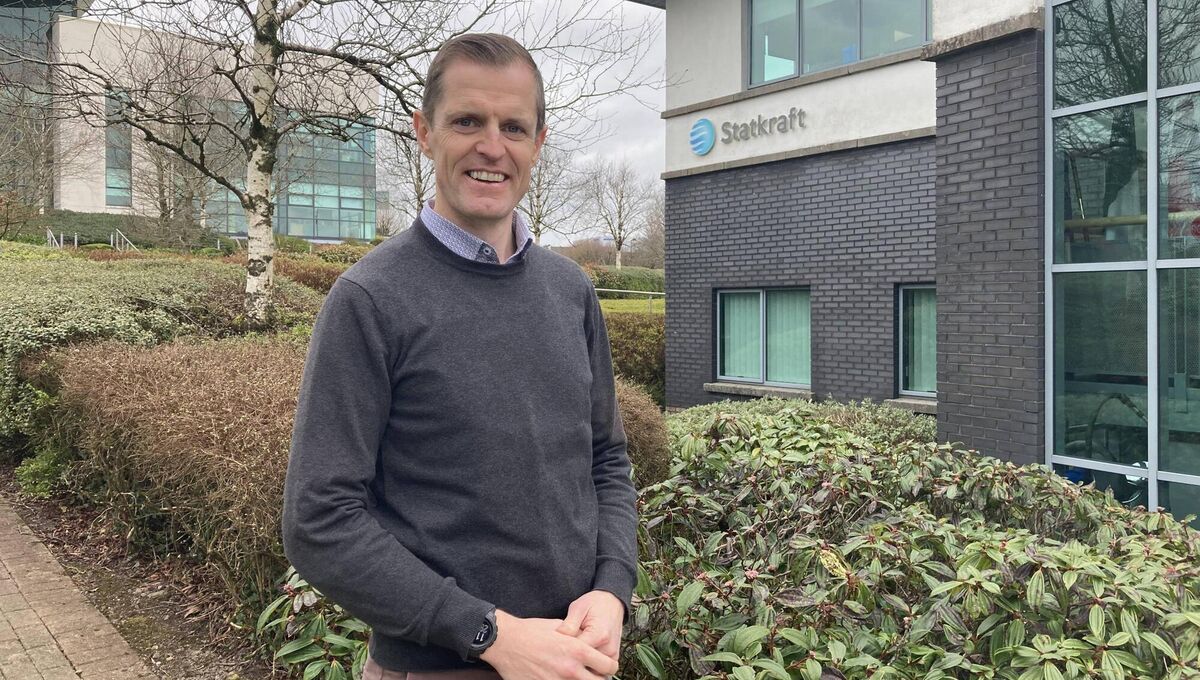
"Having a Norwegian company with a long history in renewable electricity generation focus on Irish renewables is testament to the opportunity that exists in Ireland, and will create jobs in the future for development, engineering and operation of projects."
"I am relatively new to Statkraft having joined in May 2021; I say relatively new because no one is new for long in our Cork office which has grown massively since I joined," says Kate Kelleher, HR Advisor at Statkraft.
"My role in HR is really interesting, Statkraft Ireland has a fantastic culture and really it is about maintaining that while the growth shows no sign of stopping. The pace is fast, but the Cork office is a fantastic place to work. We have a diverse range of skills and expertise that are all working together towards our vision of cleaner energy and a greener future. I feel privileged to work with such a dedicated and passionate group of professionals every day."
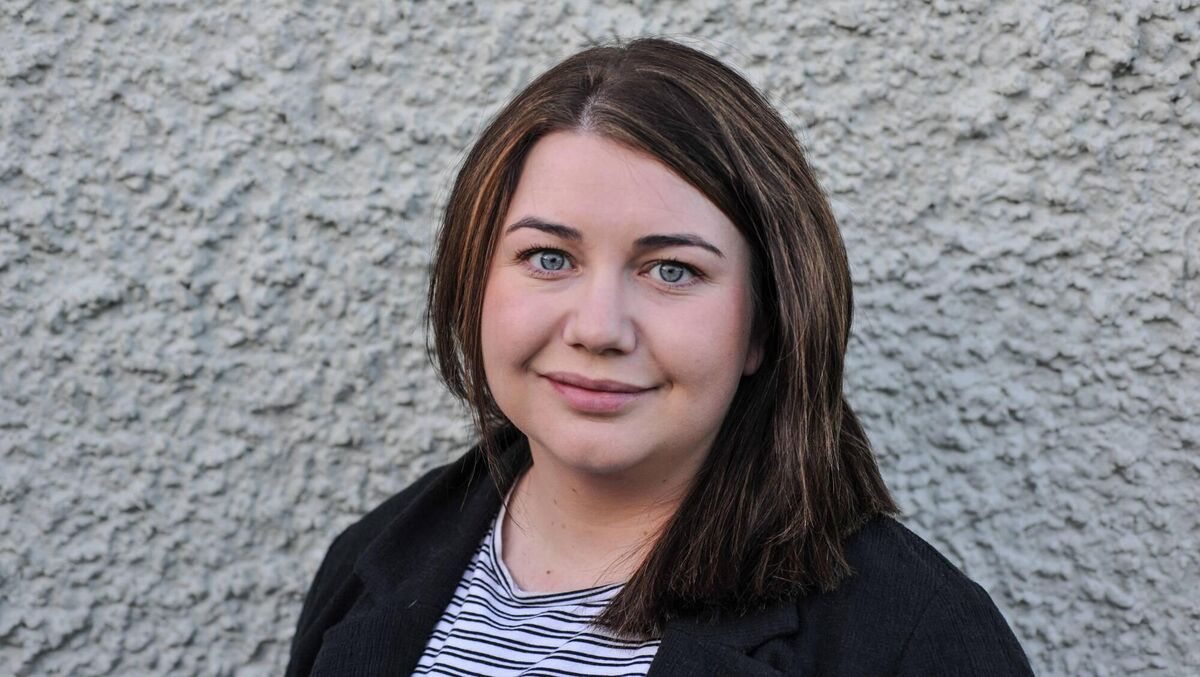
"I will be taking maternity leave in January 2023, and I am grateful to be working in such a family friendly company for this new and exciting chapter in my life. We have superb benefits here in Statkraft Ireland such as healthcare for you and your family, flex time, employer pension contributions, company days and paid maternity/paternity/parent’s leave.
"Statkraft Ireland don’t just say they’re family friendly, they back it up with these meaningful benefits that allow people to achieve real work/life balance."
To find out more about career opportunities at Statkraft, visit www.statkraft.ie/careers/