Put your feet up and enjoy the warm glow of green energy

Father and son in woolen winter socks warm their feet near the heating radiator. Energia sponsored content iStock 859014314
A range of important measures are required to ensure that Ireland’s ambitious climate action targets for 2030 are met, writes , Managing Director of Energia Renewables
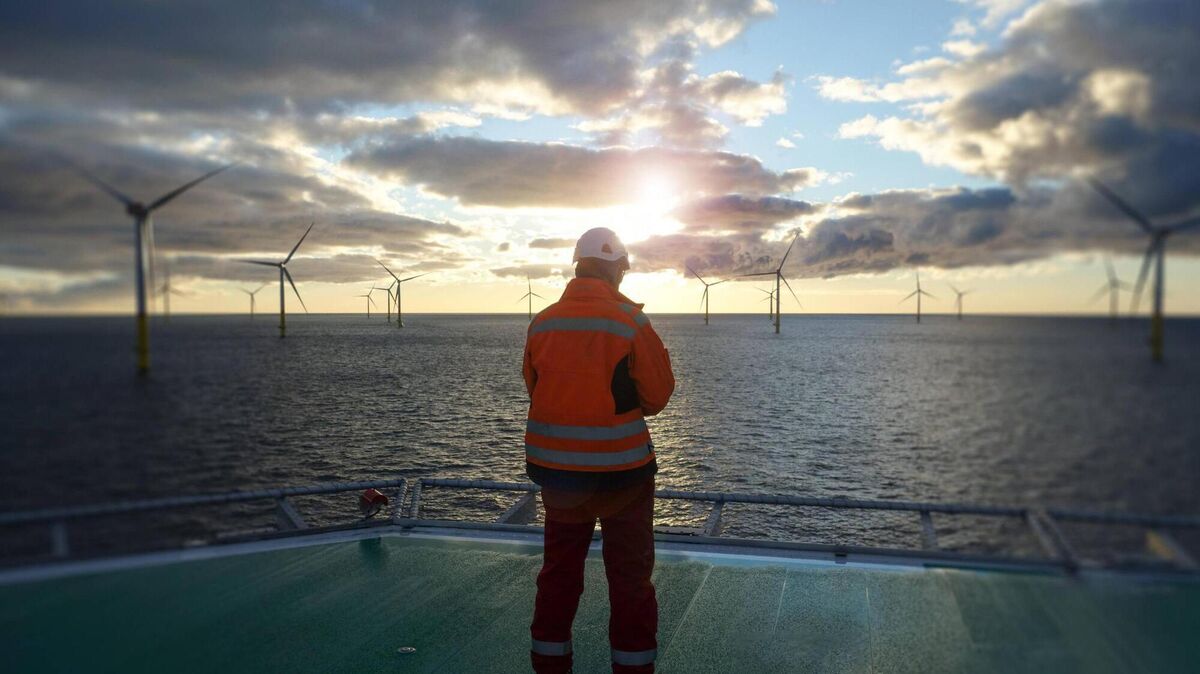
Ireland has set exciting and ambitious renewables targets for 2030 in offshore wind, onshore wind and solar. This is because climate action demands that we accelerate the switch to renewable energy together with new technologies like battery storage and green hydrogen production.
These targets are driving actions across a range of key stakeholders and have already been effective in reaching the 40% targets for renewables by 2020. It’s a good start, but to achieve 70% renewables by 2030, we need to ramp up developments more quickly. This in turn needs to be underpinned by policy, planning and grid infrastructure developments on an accelerated basis.
Ireland has massive and as yet unrealised potential for offshore wind energy production. Minister Eamon Ryan and the Government have acknowledged the scale of this opportunity to decarbonise energy use in Ireland and reduce Ireland’s dependence on fossil fuels.
As well as reducing reliance on fossil fuels, according to Wind Europe every €1,000 invested in wind energy generates €250 in other economic sectors. An investment in the order of €1bn in an offshore wind farm would create major employment and would yield approximately €250m into the economy, locally, regionally and nationally. In addition, the community benefit funds that accompany such developments can provide sustained and substantial funding for local communities, for up to 25 years - along with opportunities for local ports and infrastructure upgrades.
Energia is investing €3bn in renewable energy over the next 5 years through our Positive Energy Programme, including onshore and offshore wind, solar, battery storage and green hydrogen.
As a leading energy provider and infrastructure investor, across renewables, flexible generation and customer solutions, Energia already delivers 21% of Ireland’s wind power. We’re an integrated energy supplier to over 770,000 homes and businesses across the island of Ireland, and we are Ireland’s greenest supplier.
Investors and developers are ready to support the substantial multi-million euro development costs needed to meet the targets but if we are to do so on time for 2030 then a wider range of projects needs to be prioritised immediately in the State’s plans than is currently the case.
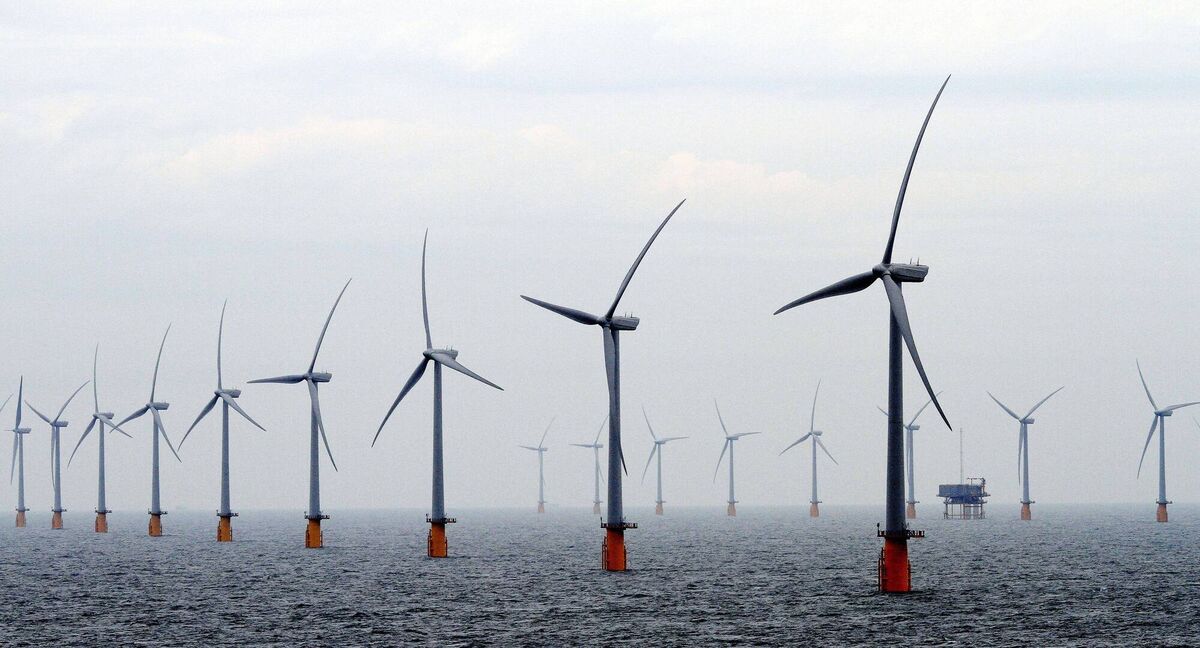
Energia is making progress preparing planning applications for its two Irish offshore projects up to a combined scale of up to 1.8GW, in the North Celtic Sea off the coast of Waterford and the South Irish Sea, off the coast of Wexford. These projects are on track to contribute to Ireland’s 2030 targets but still have a long way to go.
Delivering major projects of this type and scale takes at least a decade, and key milestones must be achieved along the way. These range from the initial foreshore licence and marine feasibility studies, through public consultation, environmental impact assessments, grid connection approvals and the extensive planning applications process, before any development even begins.
In terms of the achievement of Ireland’s stated renewable ambition, there are a number of issues which need to be overcome both onshore and offshore.
On offshore wind farms, the State’s current policy has focused on a number of pre-existing project proposals, mainly along the East coast. However, these projects alone cannot deliver the Government’s ambition of 5GW of offshore wind energy by 2030.
To address this challenge, the overall policy and planning system should prioritise and encourage all developers who have a demonstrable capability to invest and deliver by 2030. The starting point is to ensure that foreshore licences are granted for all 2030 projects to allow for their feasibility and viability to be assessed. This will create the necessary funnel of projects to meet the delivery targets and to provide momentum to the supply-chain.
Clear criteria can be used to define 2030 projects based on the progress these projects have made to date, including engagement with local and fishing communities, and the industry can work with government to get this agreed.
The projects that can contribute to 2030 are already in existence and if they are to do so, their development cannot be paused or given a lower priority.
It is important for all renewable projects that the planning and consent process is fit for purpose, grid access is planned and delivered, and constraints and curtailments in the system are managed effectively. These are all significant challenges. Auction dates also need to be set out for the Renewable Electricity Support Scheme (RESS) which supports green developments and benefits consumers. In addition, the Marine Planning & Development Management Bill needs to be enacted no later than Q1 2021, in line with the Programme for Government.
Many of these challenges are common to onshore wind as it will also play an important role in addressing Ireland’s decarbonisation challenge by adding a further 4GW by 2030. The industry needs to work with EirGrid and ESB Networks to reduce constraints and curtailments on the grid, to facilitate this investment. Solutions to this will involve grid investment, new interconnection, battery storage and green hydrogen production to deliver a secure and sustainable electricity system for our future.
Ireland’s future success and prosperity can be built on a clean, green economy, with radically reduced carbon emissions and greater electrification from sustainable and renewable resources. Working together today and towards 2030, we can deliver on this promise for the generations to come.