Painting a brighter future for retirement
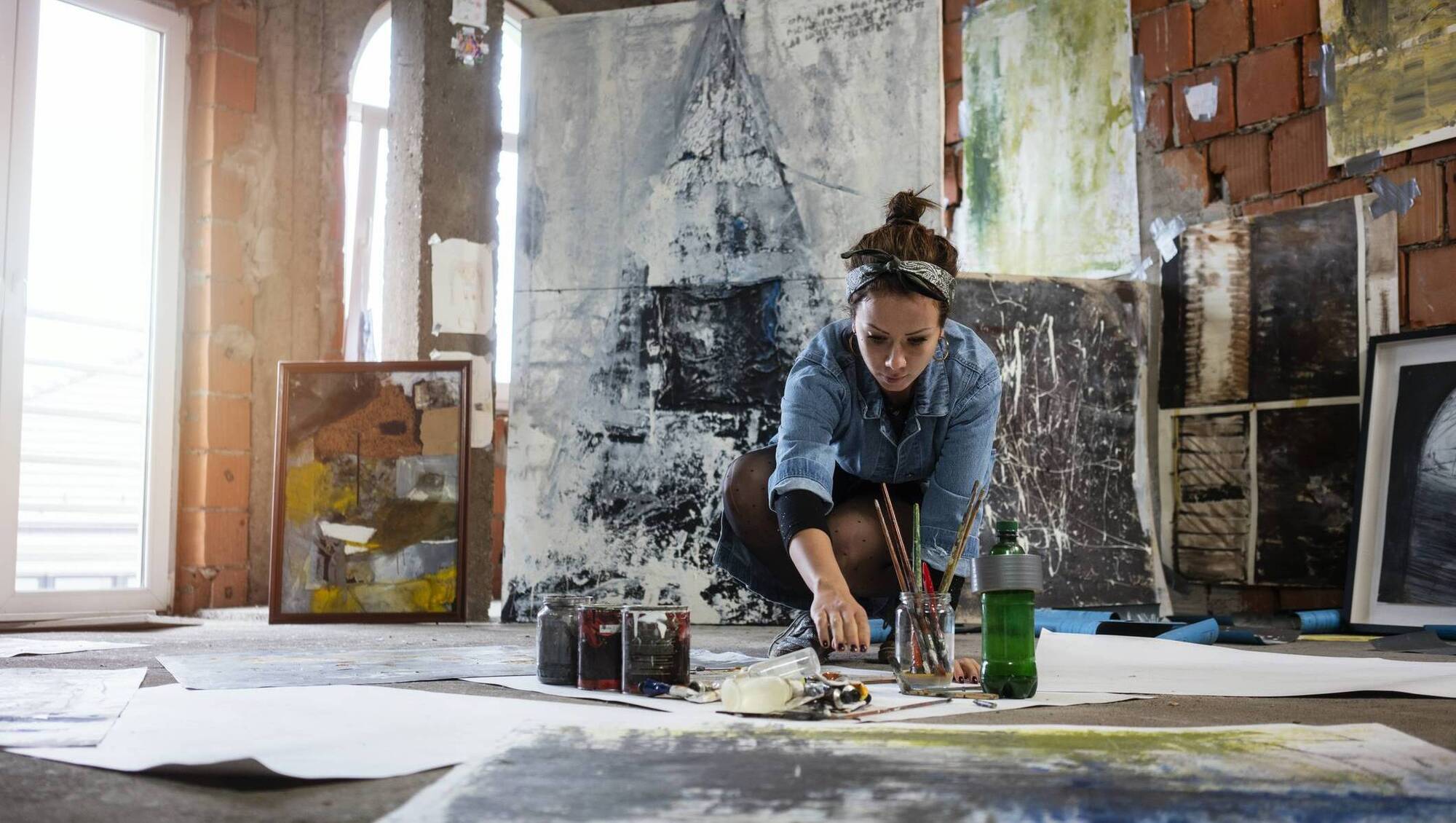
Like any other self-employed person, it is important for artists to consider making some provision for retirement.
To those who are working 9 to 5 in an office, the life of an artist seems like the dream job. Choosing your own hours, doing something you have a passion for and answering to no one but yourself.
But along with these obvious perks, financial insecurity is a very real concern. Being self-employed, particularly in the creative sector, does indeed come with the prospect of a liberating independence, but it also means that there is no guaranteed income at the end of each month.
This might not be too much of a problem during the artists’ younger and even middle-aged years as alternative means of income can be picked up elsewhere. But once retirement hits, things can become somewhat worrying, as without a decent pension and having to rely solely on monies from the State, could make for a somewhat uncomfortable standard of living in the later years of life.
Noel Kelly, CEO of Visual Artists Ireland, says that while financial planning for the future isn’t always at the forefront of our minds, it is important for artists to consider making some provision for retirement.
“With artists' incomes being the way they are, the idea of a pension is almost a luxury, in some people's minds,” he said. “But the reality of depending on a state pension at a later stage is something that every person should reflect on, particularly those who have precarious incomes and work on a freelance basis.
“I know that for many artists, retirement isn’t a concept they usually think about because they are creatives and will be creating for most of their lives, but when they are older and relying on state pensions, things could be tough.
“So we would encourage people to consider that when they have some work or upcoming commissions and they know that funds are going to be coming in, to try and set some aside for a pension. Of course, the reality is that bills need to be prioritised, but even in the toughest of times, if they could consider putting something into a structured scheme, it would be helpful to them later on.”
Kelly says that the question artists should be asking themselves is how to finance life and art at the same time.
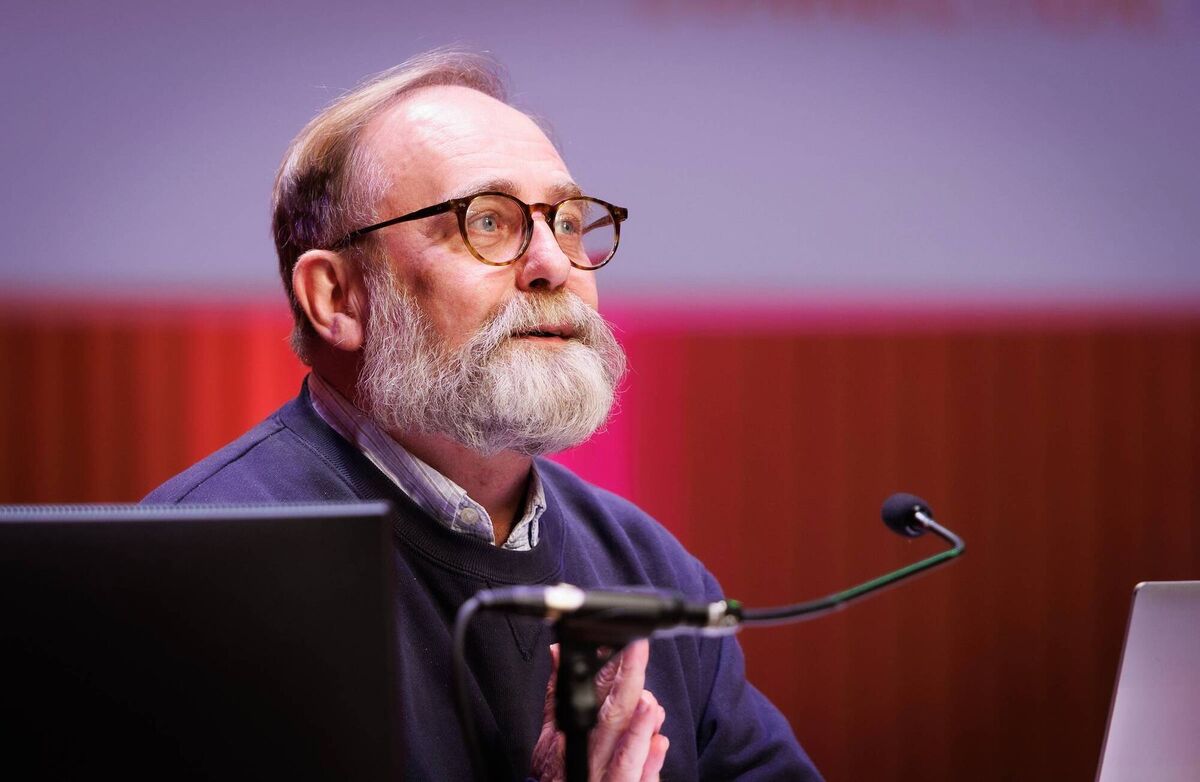
“For quite a few artists this means having PAYE and/or some non-art related jobs to pay the bills,” he said. “The current poverty threshold for a single individual in Ireland is €19,060 – but even for artists who qualify for the Tax Exemption scheme, studies have shown that 81% of these earn under €10,000 per year.
“We also have the job seekers allowance for artists which they can use as a crutch, but in terms of putting food on the table, paying bills and rent, especially for those living around the cities, the idea of the pension is really almost a luxury.”
Outside of the exemption scheme, other sources of income from part-time and full-time employment cannot be claimed for and are therefore subject to standard levels of taxation.
“When this is combined with some thoughts towards future financial arrangements, it is a sobering thought that most artists are part of the more than one million Irish workers who have no pension arrangements. Many are reliant on the state pension to provide for them in retirement. At present there are five working people paying tax to every person claiming the state pension, however by 2050 it is expected that this will be just two working people to every one pensioner.
“The reason for this is that that our life expectancy is increasing but the number of babies being born each year is reducing. This is why artists need to take more a more proactive approach to their retirement planning.”
One of the options which can be considered are Personal Retirement Savings Accounts (PRSA), which were introduced in 2003, as a low-cost pension product. The flexibility of PRSA may work for artists because it allows them to decide how much they want to pay on a monthly, annually or once-off lump sum basis – and if they want to stop pay contributions for a while, they can be halted and restarted as required.
They are also tax efficient as they allow for tax relief on contributions, tax free growth on the value of your fund and tax free cash at retirement.
“And of course, alongside, potentially having a good pension or even a reasonable pension, they can still continue to create,” said Kelly. “Because we all know that artists will never fully retire as they are always creating, so they can keep going for as long as they are able to. They may not be earning thousands of euros, but it can still be helpful.”
However, the VAI director says that although they would encourage artists to make provisions for their future, they are reluctant to give specific advice.
“There are all sorts of different mechanisms of engaging with finances, so it is important to find something that is actually manageable and doable and repeatable, rather than throwing money into something and then finding out that it's not viable,” he said.
“But we are not experts in financial matters so we would recommend that people go to a professional advisor to talk about how to structure savings in a way to feed into a pension. There are many different personal circumstances that come into play, so what suits one person doesn't suit another. So we will always advise people to seek a professional opinion.”
According to the VAI, the government is ‘aiming to increase pension coverage in Ireland’ and the organisation has been ‘in discussion with tax advisors on the matter’.
“Taking into consideration, that artists may have a varied income, we wanted to explore how best to take advantage of the tax benefits on non-creative income, as well as put in place some financial planning for the future,” he said.
“There is definitely a there is a greater understanding, hopefully because of our advocacy on this, of the precarity of the life of an artist – and hopefully things will change for the better. Because, for many, having and contributing to a pension, might not seem financially viable but it is something they should consider, and the earlier the better.
“So we would encourage artists to make an appointment and to go and sit down with a financial advisor to figure out what, with their particular income, they can do – because although it might seem impossible and a prospect filled with financial pain, when they get to the age of retirement, they will realise the benefit of what they have prepared for.”