It's really time that Ireland had a Minister for Pensions
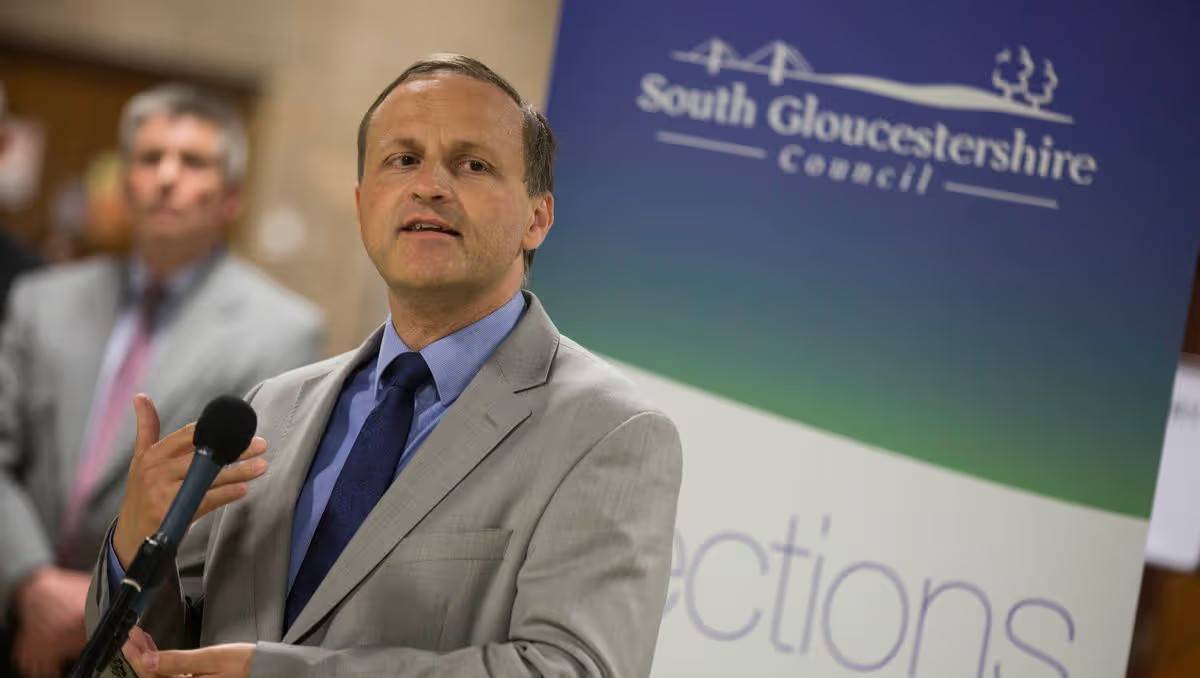
A good model for Ireland: The UK's former Pensions Minister, Steve Webb, was a regular guest on UK radio stations, taking listeners' questions about auto-enrolment and other pensions issues.
, director, Provest Private Clients, explains the need for Ireland to appoint a dedicated Minister for Pensions
Since January, workers across the country have been saving for retirement without ever filling in a form. Auto-enrolment, through My Future Fund, is the biggest change to Irish retirement saving in a generation. It turns pensions from a concern of the organised minority into something that touches almost every payslip.
Yet ask a simple question, which member of Government is responsible for Irish pensions, and there is no simple answer. That has to change. Ireland needs a Minister for Pensions.
Today, pensions policy is spread across at least three departments. Social Protection runs the State pension, auto-enrolment and the Pensions Authority. Finance controls the tax relief that underpins private and occupational saving, and sets the limits on how much can be built up tax-efficiently. Public Expenditure looks after public service pensions.
Each does serious work. But no one in Cabinet has pensions as their only job. For the Minister for Social Protection, pensions compete for attention with jobseekers, carers, child benefit and the fuel allowance. For the Minister for Finance, they are one line among hundreds in a Budget.
The result is predictable. Reform moves slowly, and the joins between departments are where things fall through. The Irish Association of Pension Funds warned of exactly this in 2019, when it called for a dedicated minister and pointed to stalled reforms and a European directive transposed late. Seven years on, the structure is unchanged.
Recent tax changes show the pattern. From 2023, employer contributions to PRSAs were freed from benefit-in-kind limits, prompting a rush of savers, many of them company directors, to switch. Two years later, from January 2025, those contributions were capped at 100% of salary, and plans set up under the old rules had to be reviewed again. The Standard Fund Threshold, frozen at €2 million since 2014, is only now rising: to €2.2 million this year, and by €200,000 a year to €2.8 million in 2029. Each change has its logic. But a rule relaxed then tightened within two years, and a decade-long freeze followed by a phased catch-up, is what policy looks like when no one owns the whole picture.
Auto-enrolment changes the stakes. For many of its savers, My Future Fund will be the first pension they have ever had. Contributions start small and rise over the next decade, and the scheme's success depends on people staying in when they are free to opt out. That requires something no Act of the Oireachtas can guarantee: trust.
Trust is built by consistency, clear communication and someone visibly accountable when things go wrong. A saver who hears mixed messages from different departments, or sees the rules shift from Budget to Budget, has every reason to walk away.
Employers have a stake too. Every business with staff outside a pension scheme now has payroll obligations it did not have a year ago. Small firms in particular need clear, consistent guidance, and one office in Government to turn to when the system does not work as intended.
The rest of the system is moving too. Master trusts are consolidating the occupational market, and regulation is tightening. The long-term cost of the State pension, in a country where people are living longer, remains a question every Government has found easier to postpone than to answer.
These issues cannot be managed in the margins of a large department. They need a minister who sees the whole picture: State, occupational, personal and public service.
A title on its own would achieve little. The role should be a Minister of State with a formal remit across both Social Protection and Finance. Ireland has given junior ministers responsibilities spanning more than one department before; pensions is an obvious candidate.
The mandate should be clear. First, to see auto-enrolment through its early, fragile years and report publicly on participation and opt-outs. Second, to bring tax relief and the State pension into one coherent retirement policy rather than two separate conversations. Third, to be a single point of contact for savers, employers and the industry, answering to the Dáil for the system as a whole.
The UK shows what a named minister can do. Its pensions minister is a junior post within the Department for Work and Pensions, yet it gave reform a recognisable public face. Former Minister Steve Webb, the longest-serving holder in decades, went on national and local radio each week to take listeners' questions directly.
Pensions rarely make headlines until something goes wrong. By then, the cost is counted in lost savings and lost confidence. A dedicated minister is how Government gets ahead of that: someone whose job is to spot problems early, join up policy across departments, and explain changes to the public before rumour fills the gap.
With a new national savings scheme just out of the gate, Ireland has more reason than most to act now.