‘Céad Míle Fáilte’: Famed Irish welcome lives up to its promise
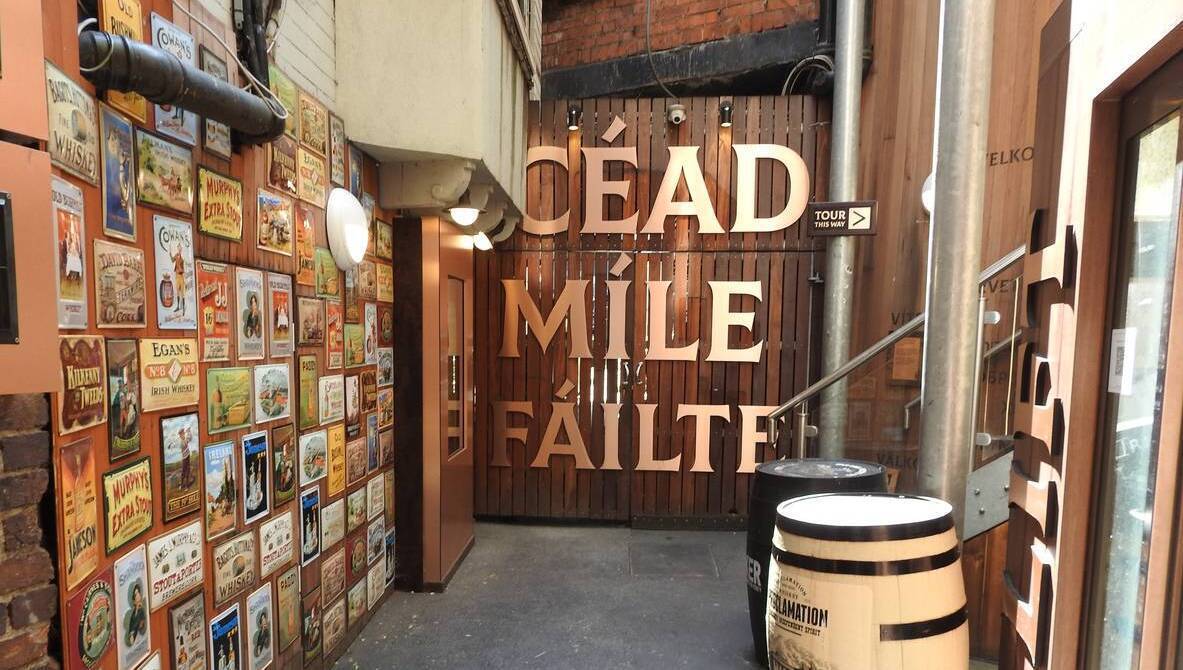
Entrance to the Irish Whiskey Museum on Grafton Street, Dublin. The Irish language phrase ‘Céad Míle Fáilte’ translates as 'one hundred thousand welcomes’ in English.
I was in the Middle East when I first read the words, ‘Céad Míle Fáilte’ embossed on a tall, white ceramic cup. I am an Indian citizen, but I grew up in Kuwait in the 1980s.
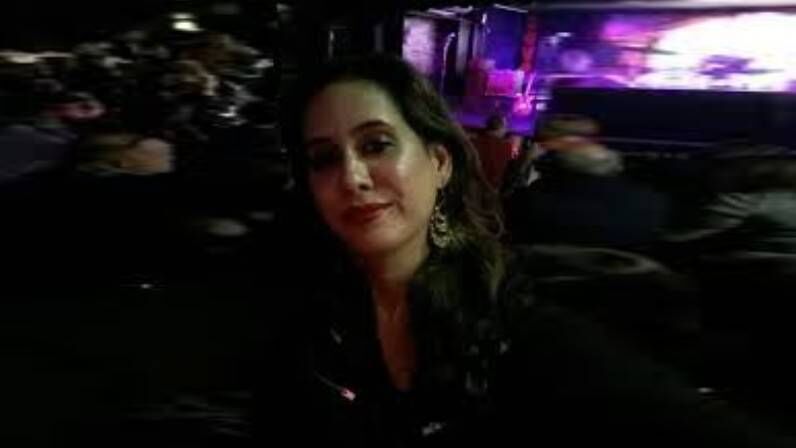
The tiny Middle Eastern country, that looks like a speck on the world map, had a large population of Indians and a small Irish community.
It was here, when I was probably all of five years old, that I first met Mr Ned Quirk, my father’s colleague and the first Irishman I ever knew. Older than my parents, and a close friend of my father, he was ‘uncle Ned’ to me.
The details are hazy, but he had perhaps just returned from a trip to Ireland and gifted me the souvenir. It was a tall mug bearing a smiling leprechaun holding a four-leaf clover on one side, while ‘Céad Míle Fáilte’ in the colours of the rainbow was imprinted on the other.
I could barely pronounce the words, but it was this vibrant cup that made my ‘healthy’ breakfast of a raw egg yolk dunked into a cup of warm milk, somewhat bearable. (In my mother’s defense, back then salmonella wasn’t something people spoke about much).
Even though I didn’t have the vocabulary to understand those words, I felt a genuine warmth around Uncle Ned. I hold on to those early, fading memories of interactions with him – his sincere interest in the fairy stories I was reading; recounting to me tales of St Patrick; referring to the stick figures I was drawing as ‘art’, which was immediately followed by guffaws from my elder sister and banter between the two.
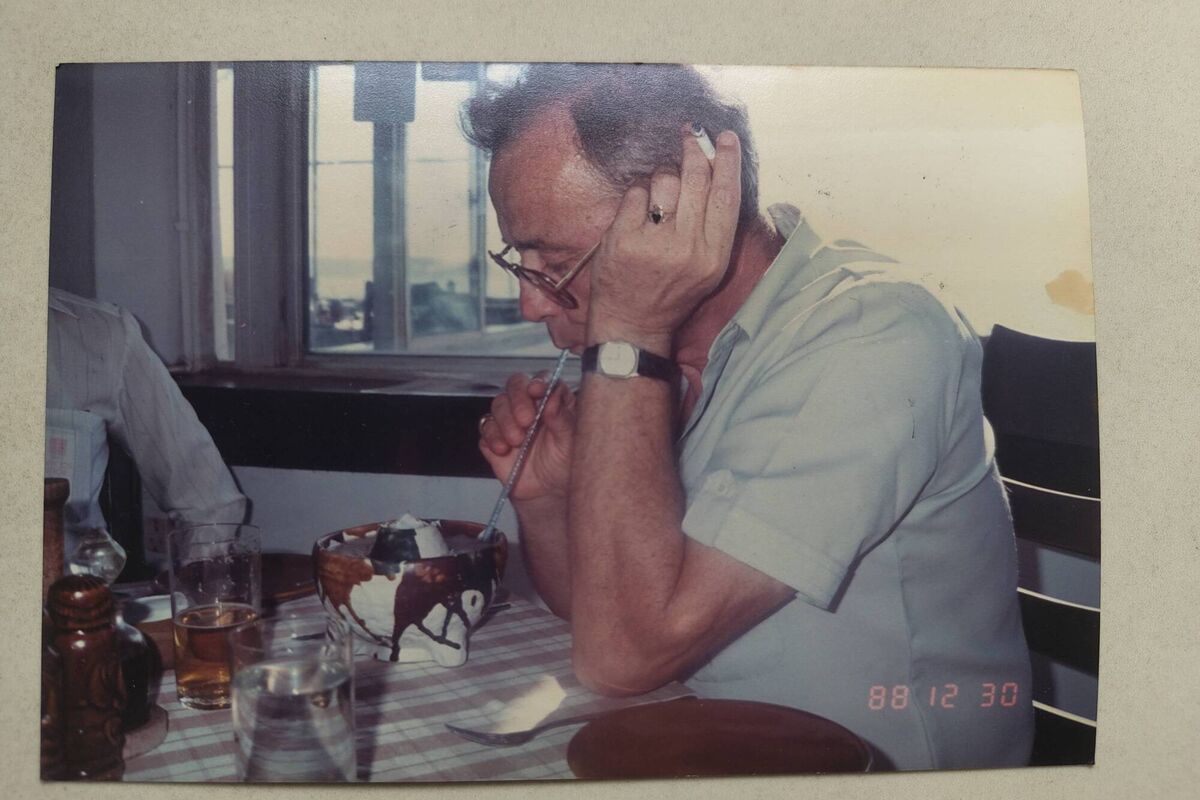
When I was 10, we moved back to India and Ned Quirk eventually returned to Ireland. Soon after we moved to Mumbai, the Quirks visited us in India, and thereafter postcards were exchanged with invitations to visit Ireland. But when I finally made my way to the Emerald Isle, my uncle had long since passed away. And yet I saw that the inimitable Irish warmth and hospitality he had introduced me to was everywhere.
I experienced it as soon as I arrived in Dublin. The receptionist, a woman in her sixties, asked me what brought me to Ireland. When I mentioned I’m a travel writer, she said, “God bless you, you’ve come all this way to write about us!” Seeing my drenched jacket she added, “Tell your readers we have great weather. They just have to close their eyes.”
Within minutes of me reaching my room, I was sent a complimentary pot of hot tea with biscuits. The banter came easy, the interaction which is otherwise formal and clinical, felt warm and lively. Despite being at a corporate chain hotel, the receptionist made me feel at home. Literally. Because India too has a Sanskrit version of Céad Míle Fáilte; ‘Atithi Devo Bhava’ when translated means the ‘guest is akin to God’.
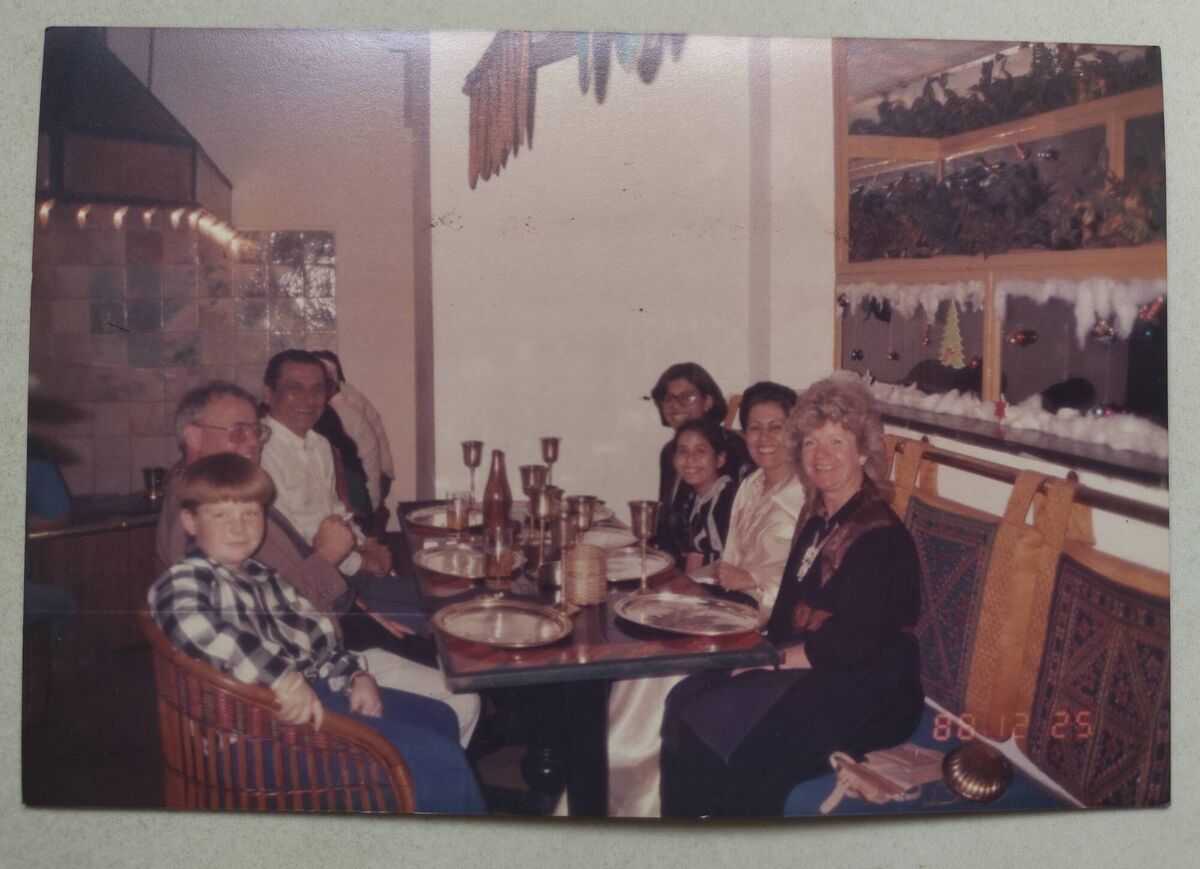
There are many striking similarities in our traditions: In India, food is almost the language of love. Three words, ‘Khana khaya kya?’ or ‘Have you eaten?’ are a way of saying 'I care about you'. I see this play out as I’m invited for a comforting home-cooked meal of traditional Irish stew by an acquaintance in Dublin. Here too, my initial refusal for second helpings is seen as a polite way of saying, ‘Please ask me again’. Similarly, leaving her home isn’t quite as simple; it's a tactical retreat, a long goodbye with many conversations and laughs at the door.
There’s also a shared rhythm in our cultures. Much like in India, ‘Irish standard time’ is fluid when it comes to social gatherings. I consider it an invitation to slow down, with slight tardiness serving as a means to relax and bond with others, without watching the clock.
In conversations with people – even those I met as business associates – family almost always came up. It was clear that multi-generational bonds were strong here, as in India, with weekends often spent catching up with extended family members. And I found myself sharing stories of my grandmother. In particular, the story of her recovery from her cataract surgery and her reaction as she saw her adult grandchildren clearly again was met with chuckles; her exact words, “You kids are so pretty. I haven’t seen your lovely faces in so long.”
As I catch an Irish music session, I find that this lively cultural tradition is built for participation. Whether it's the steady beat of the bodhran or the rhythmic tapping of the Irish dance, a traditional music jam instantly melts the ice.
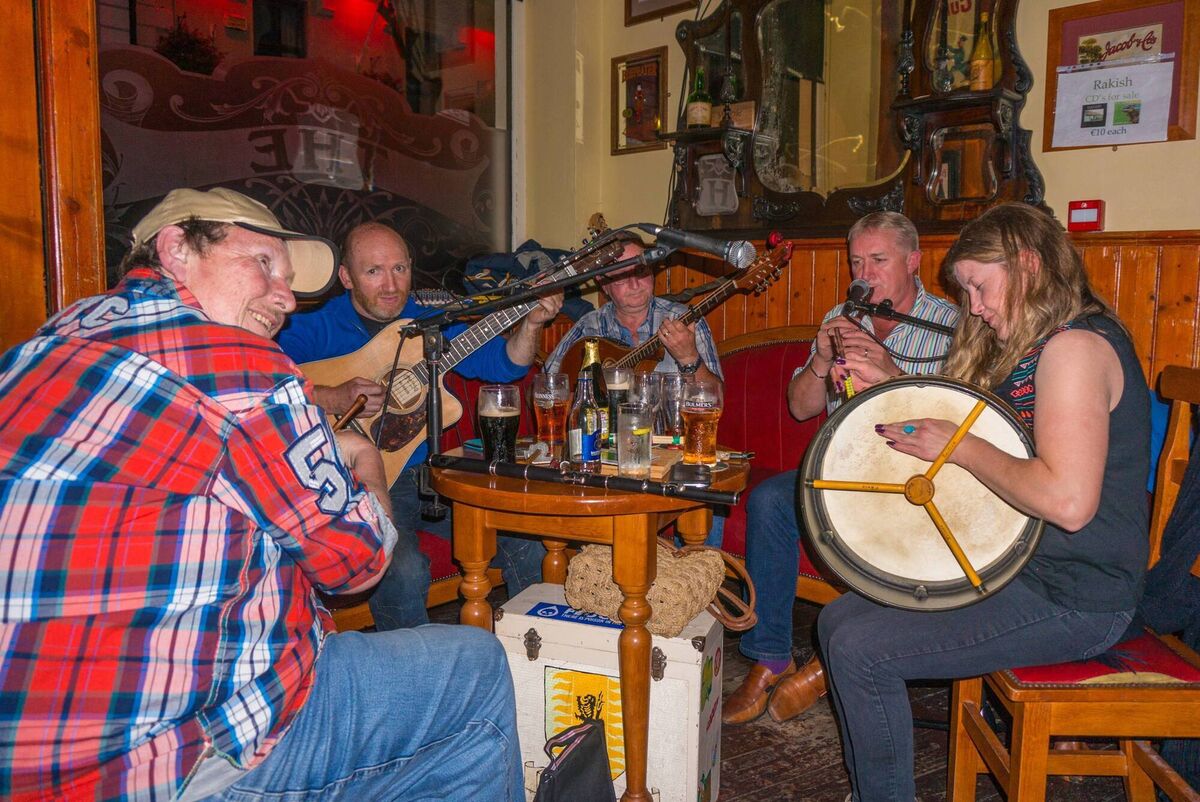
The rhythm spontaneously pulls everyone in, and strangers feel like friends. I’m not a foreigner or an outsider. Instead, I become part of the collective community, pulled into that circle of musicians and music lovers. This timeless piece of Irish heritage truly shows me that in Ireland hospitality is a tradition. It’s not a mere social obligation; it's completely unfeigned and truly heartfelt.
It was this innate similarity in cultures that I recognised in the first Irishman I came across, a lifetime ago. Despite the differences in our accents, the colour of our skin, the fact that we came from different continents, I felt the same warmth around the Quirks that I was accustomed to in my culture.
To experience it in Ireland made me catch a glimpse of Uncle Ned again. He would perhaps be happy to know that I finally learned to pronounce, ‘Céad Míle Fáilte’.