Lost sounds found: Having your hearing checked can give you a new lease of life

Hearing loss can cause people to avoid interacting with others but taking simple steps to address it can make a huge difference.
There was no dramatic moment when Noel Hanbury realised his hearing was fading. Instead, it crept in so gradually that it was his family who noticed first.
“There were maybe six months of my family telling me, in a nice way, that I was speaking very loudly or that I had the TV very high, and around the same time I started realising that in group settings I’d hear things differently or not at all,” says Hanbury (71).
Like many people, he put it down to getting older. The changes were subtle. There wasn’t a day when his hearing suddenly disappeared or he noticed marked changes. Instead, conversations became a little harder to follow, particularly when there were several people talking at once.
“If I was sitting at a table of people with a lot of different chats going on I’d struggle to link what was being said back to a previous conversation as I’d either misheard it or missed it entirely,” he says. “It was hard to follow group conversations, and I did feel a bit distant. But as I started to notice it myself I saw the fun side of it and saw it as a quirk that I didn’t always know what was going on.”
That feeling of becoming a little disconnected from the conversation is something Orla Walsh, audiology director at Specsavers Opticians and Hearing Centres, is told about regularly.
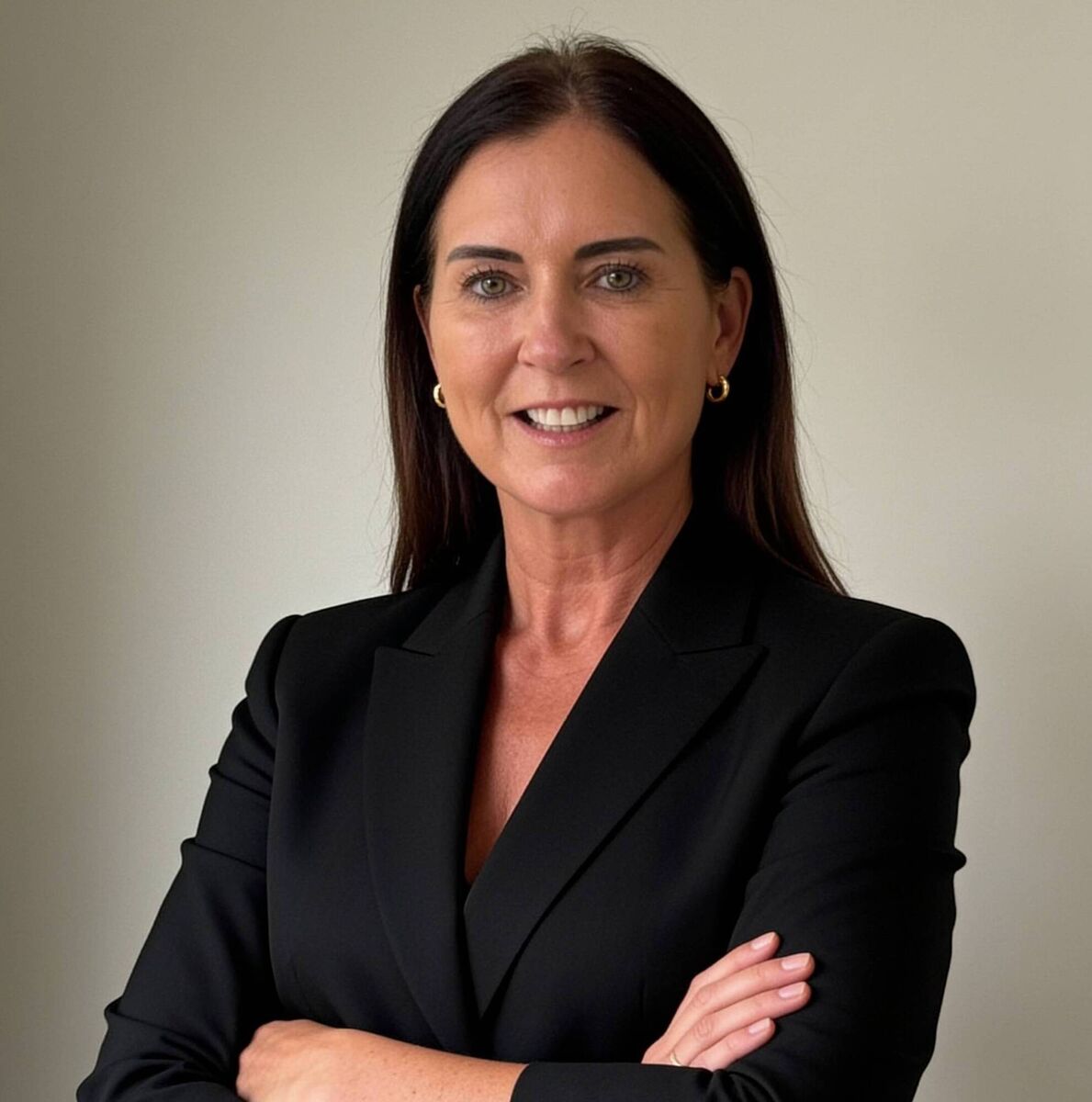
“Hearing loss is a common and gradual part of ageing,” she says. “Because it often develops slowly, many people do not notice that their hearing is getting worse. As hearing becomes more difficult, social situations can feel tiring and frustrating. People may start avoiding activities such as going to social events or meeting friends at the pub. The extra effort required to listen and understand conversations can lead them to withdraw from social interactions. Over time, this can result in social isolation and reduced participation in everyday activities.”
It’s one of the reasons, research suggests, that people can wait as much as 10 years before seeking help.
“Because hearing loss develops slowly, people often don’t realise it’s happening,” Walsh explains.
For Hanbury, it was an unexpected phone call that finally prompted him to act.
“One day I got a phone call out of the blue from a hearing aid company asking me to schedule an appointment to come in for a test,” he laughs. “My wife Anne had contacted them on my behalf and hadn’t got around to telling me.”
Rather than letting somebody else take control of his hearing, he decided to take matters into his own hands, making an apointment at his local branch of Hidden Hearing, at Tesco Extra in Liffey Valley: “I decided that if I was going to go for a hearing test I’d do it in my own time and organise it myself, so I made a new appointment and went in with an open mind. Whether they told me I did need hearing aids or I didn’t need hearing aids was irrelevant – I was going to accept it.” He found the appointment itself to be quick and reassuring.
“They asked what had prompted me to make the decision to come for a test and then I went through two different tests and they said that, yes, I did need hearing aids. So I thought: ‘That’s great, let’s give it a bash.’ There was a lot of choice across different budgets, I had my fitting, had them personalised and calibrated to my specific needs, and I was in and out in under an hour – once I had the hearing aids I noticed an immediate difference.”
For Walsh, that reaction is one she encounters time and again.
“People often tell us that getting help with hearing loss makes daily life feel easier and helps them continue to enjoy the things they love,” she says. “Instead of working so hard to follow every word, conversations become more natural. That sense of effort fades and people can focus more on connection than concentration. Customers often tell us they stop dreading family gatherings and start enjoying them again.” For Hanbury, the biggest change wasn’t simply hearing more clearly; it was feeling part of the conversation again.
“There was a big change in my lifestyle. Day to day it’s better but once I’d made my mind up to go and visit the audiologist I knew there was no turning back – I did the right thing. Group conversations became a lot easier and I felt included in the conversation, not excluded.” Many people still associate hearing aids with the large, conspicuous devices of years gone by, but both Walsh and Hanbury say that perception is long out of date.
“Modern hearing aids are compact, comfortable and digitally sophisticated,” Walsh says, “they don’t simply amplify sound. They improve clarity, reduce background noise and adapt dynamically to different listening environments.”
Hanbury agrees and says he hasn’t felt self-conscious about his at all. “They’re so easy to use. I charge them overnight and then wear them when I need them. They’re very discreet.” In fact, once he started wearing them, he realised just how common they had become.
“I started to look at other people in the same age group as me and noticed that the majority of them were also wearing hearing aids, which I hadn’t noticed, but I hadn’t been looking before. It’s similar to when you change your car and it feels amazing that you start to see so many of the same cars on the road. It was the same with hearing aids.” Beyond making conversations easier, hearing well plays an important role in helping people stay connected to family, friends and the activities they enjoy. While studies have found an association between hearing loss and cognitive decline, Walsh says the relationship is still being explored.
“Hearing loss won’t cause dementia, but it may exacerbate it,” she says. “What we do know is that if you miss part of the information being received through reduced hearing this can lead to confusion, misunderstanding and social isolation. More studies are needed to determine the link.” Her advice is simple. If you’re turning up the television, finding speech sounds muffled or struggling to follow conversations where there’s background noise, it’s worth getting your hearing checked.
Looking back, Hanbury is relieved he embraced hearing aids when he did, rather than waiting until things got worse.
“If I’d had the same attitude, I’d have been in big trouble by now. I went when it started being brought to my attention and, as my audiologist said, I came at just the right time.”