Ecology jobs market experiencing “huge growth”
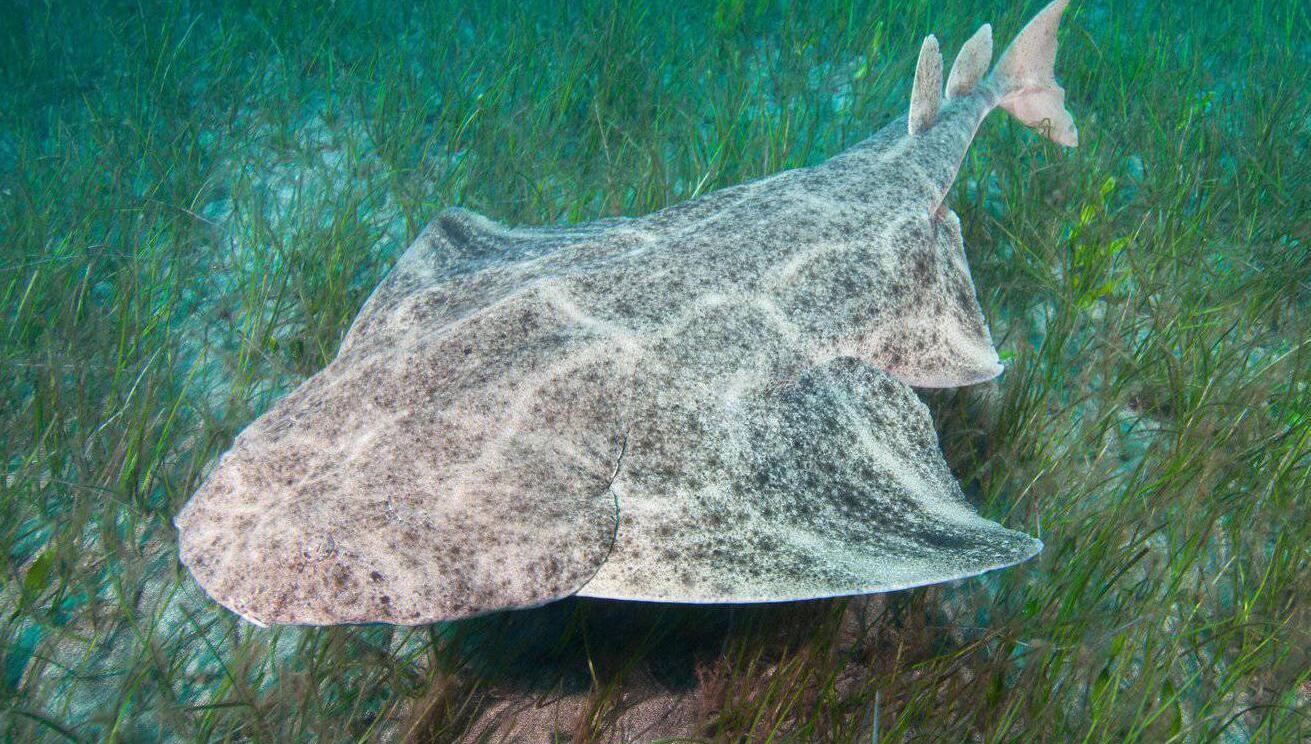
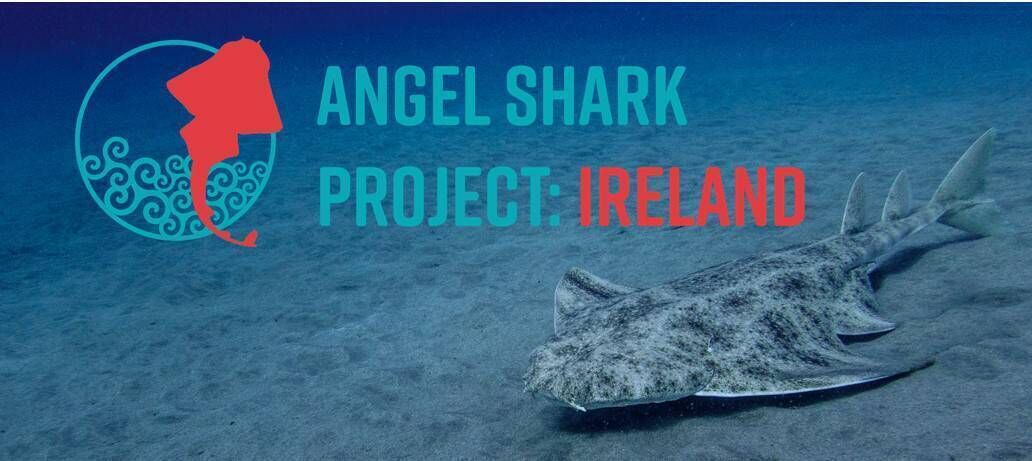
Angel Shark, commonly seen in Irish waters. Over a third of all global sharks and ray species are threatened with extinction and the same is seen here in our Irish waters. Picture: Alamy
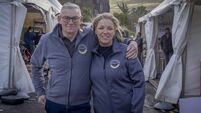
Louise Overy is a woman with many strings to her bow.
As well as being project lead of Angel Shark Project: Ireland, she is also an assistant lecturer in wildlife biology at Munster Technological University, where she is completing her doctoral research in marine conservation.
With so many juggling plates, working in a field she truly loves is what sustains her and makes all the difference.
“That love started from a very young age and I am hugely thankful to my parents who very much founded my love of the outdoors and wildlife, from rock pooling and climbing trees, to growing our own vegetables,” Louise shares.
“However, it didn’t really click for me that I could turn that love and passion into a career until one magical moment in my teens when I encountered a basking shark whilst out on a kayak with my sister. I remember contacting the IWDG to report my sighting and Dr Simon Berrow saying he would come down the next day to do a slime sample and he kindly asked if I would like to join him. That moment made me realise that this is what I wanted to be doing every day I possibly could! Every interaction we have with each other or the environment can have a butterfly effect that we may never see, but sharing our passion truly can have ripple effects.”
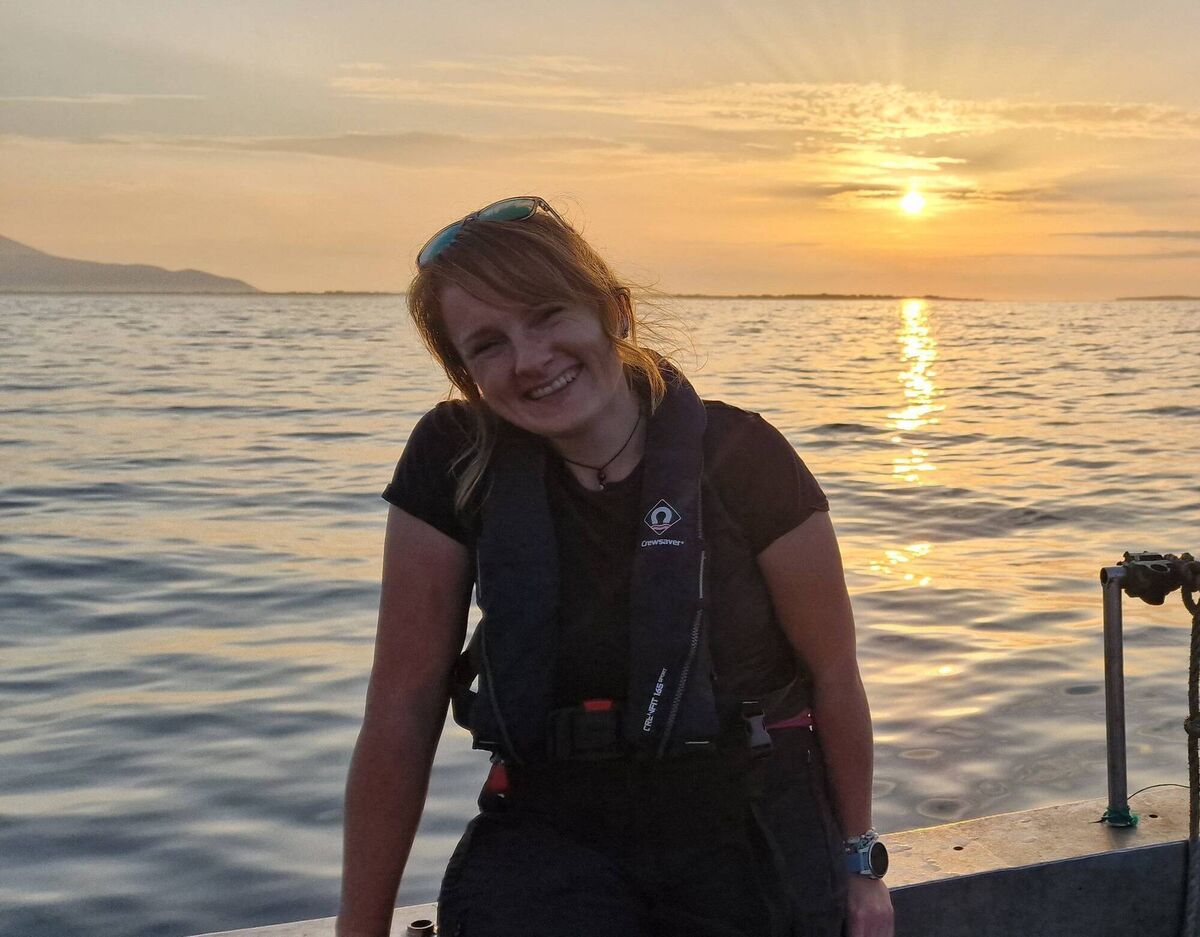
Sharing her passion is one of the most important aspects of her work as an assistant lecturer at MTU, where she can help guide the growing numbers of students pursuing marine-related careers in Ireland.
“In recent years, there has been a huge growth in jobs for qualified and experienced ecologists to help guide our development into the future whilst minimising our impact on the environment. Currently in the marine realm, there is a huge amount of work being undertaken to identify areas to achieve the mandated 30% marine protected areas in the Irish EEZ (Exclusive Economic Zone) and also in identifying areas for offshore wind technology to ensure we can decouple ourselves from our current reliance on fossil fuels."
MTU has an undergraduate programme called Wildlife Biology, the same one I graduated from, which is a unique, field-oriented course that combines both terrestrial and marine studies. MTU also plans to launching a postgraduate diploma in Ecological Conservation Practice this September to meet the growing demands of the sector.
These incoming generations of qualified ecologists can’t join Ireland’s workforce quickly enough. As Louise outlines, there are so many endangered species in our seas that desperately need our help.
“Currently, over a third of all global sharks and ray species are threatened with extinction and the same is seen here in our Irish waters. The Angelshark, for example, has been assessed as Critically Endangered by the IUCN (International Union for Conservation of Nature) and on the brink of extinction, indeed they are already considered extinct in the North Sea and Ireland remains one of its last remaining refuges in the North East Atlantic.
“Sharks and ray species are generally slow growing, late to mature, with low reproductive output. In the case of the Angelshark they may take 7-9 years to become sexually mature whereby they then only produce 7-25 pups every second year. This leads them to being very slow to recover from any losses to their populations such as from unintended bycatch in the world fisheries. The awareness and support for shark conservation is increasing, but there is still much work to be done to match the scale of the threats they face.
“We often hear about the rich biodiversity of the world’s rainforests, savannahs and coral reefs, or hear of rhinos and snow leopards’ perilous situations, but that can often seem too far away to feel tangible to be able to help. The Angelshark, however, is a species right here on our doorstep, that many may have never even heard of, that is on the brink of extinction. It needs all the support it can get to try to halt and reverse this decline before it is too late.”