Microplastics posing mega threats for Ireland’s Ocean Heroes
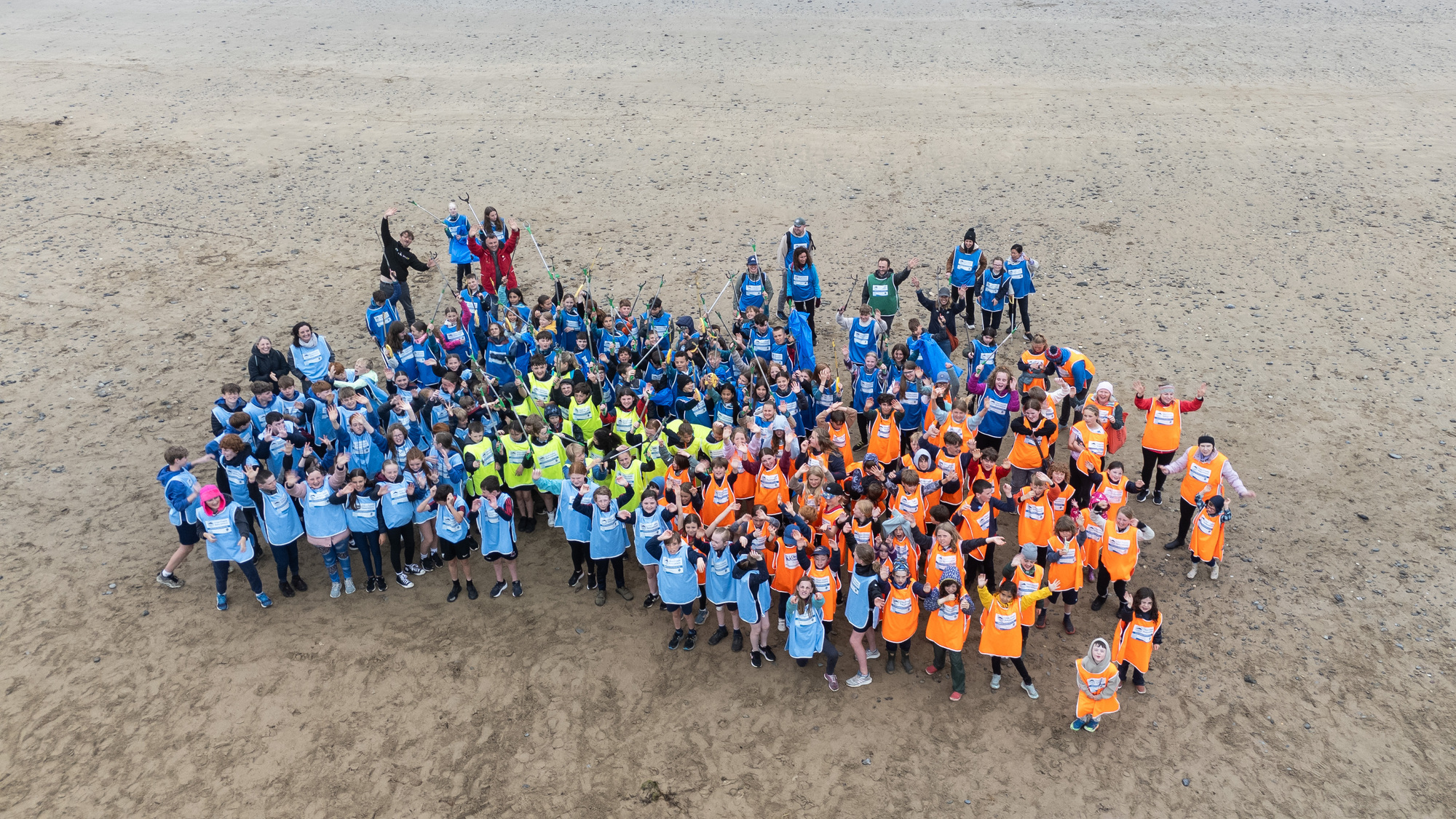
Pupils from local Cork schools on Garrylucas beach at a HSE-led Blue Flag education day hosted by Clean Coasts Ballynamona. Photo; Darragh Kane
Since Clean Coasts Ballynamona was set up in 2015 to tackle an increasingly apparent litter problem on local beaches, the East Cork group’s volunteers have gotten used to picking up all sorts of stuff, from used nappies to fishing nets.
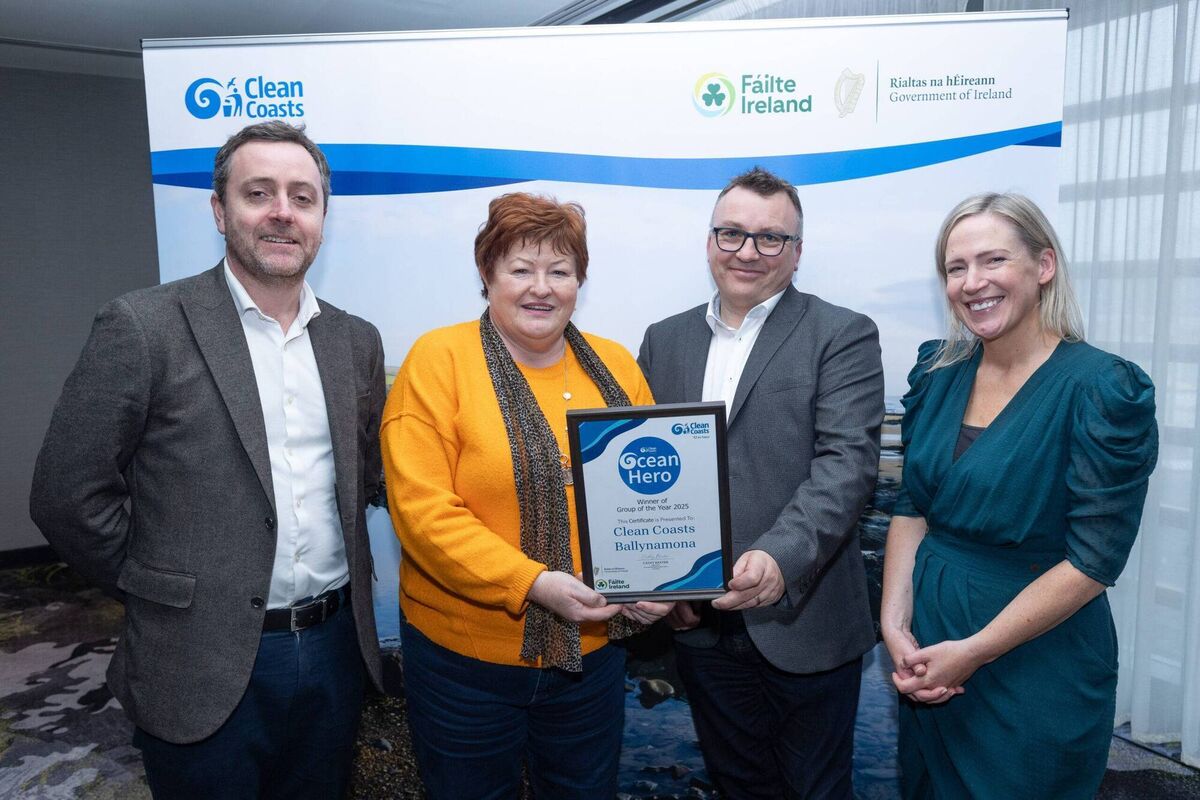
In recent months, however, they picked up something far more special — the coveted Group of the Year award at the latest Clean Coasts Ocean Hero Awards.
Designed to celebrate the dedicated individuals, communities, and businesses who go above and beyond to protect Ireland’s coastline and marine environment, the Ocean Hero Awards recognise the very best of Clean Coasts’ 2,000-plus groups and more than 40,000 volunteers.
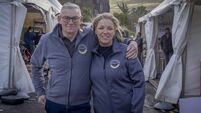
“We were genuinely delighted to receive this recognition,” shares Proinsias O’Tuama, a school principal who founded Clean Coasts Ballynamona nearly a decade ago with the help of his pupils. “It belongs to every single volunteer, primary school child and secondary school student who has given up their time to support our work over the years.”
Among the many achievements that made Clean Coasts Ballynamona stand out to the award judges was the success of the group’s Big Little Beach Clean programme.
“We're enormously proud of this programme,” Proinsias explains. “Each year, we bring more than 1,100 school kids and their teachers to the coast for a full day of marine education and a supervised beach clean. They do workshops on the sources of marine litter and sewage-related litter, and they learn about coastal biodiversity, climate change and how they themselves can adapt and mitigate against climate change.
“In addition to this programme, we also have coastline surveying work involving several biodiversity projects, including a nocturnal migratory birds project that has been running for three years now. We’ve just surpassed 20,000 individual records of over 50 species of bird, and all our data is shared with the National Biodiversity Data Centre.”
While the Ocean Hero Awards recognition for these ambitious projects is certainly welcome, and is great encouragement for the group to keep up its efforts, Proinsias is also all too aware that those efforts can only go so far.
“The amount of time, energy, effort and technology needed to tackle what we're facing today is hugely different to when we first started back in 2015. The challenges we’re facing now are also very different — general awareness about the need to protect our beaches is no longer the problem. If anything, people care more than ever. What we're grappling with now, however, is the sheer scale and complexity of what's washing up on our shores. The main sources of marine litter are still the same, but the biggest problem is the level of microplastics that are coming up on our coasts and showing up on every tide."
In navigating that, the reality is that a voluntary group can only do so much. Clean Coasts Ballynamona manages the beaches on more than 3% of the total Irish coastline, but they're just ordinary people with families and jobs and all sorts of other responsibilities. Support from businesses, industry, and local government for our work is crucial, because when they get on board it just multiplies what local groups can do.
"There’s no shortage of passion, but passion alone won’t solve it," says Prionsias.
It needs the involvement of many stakeholders.” One of the most pressing things that stakeholders can hopefully help the group with is sourcing the right technology to rid the community’s local beaches of microplastics.
“It’s so alarming to see more and more microplastics washing up and washing in. They're nefarious as the untrained eye would not see or spot them because they’re tiny and just look like organic matter blending in. However, the harm they can cause is huge. They are going to pose a massive health problem for us all going forward, threatening our food systems, and the very basis of human health. These plastics are able to cross the blood-brain barrier [according to new research from America’s National Library of Medicine], and the potential effects of that on our health, such as increased dementia and Alzheimer's, are not yet known.
"That’s the frightening thing, we can't pick this stuff up with a little picker or by hand — it's like trying to pick plastics the size of a grain of sand. There will need to be some sort of technological advances made for this problem.”
As the pollutants plaguing Ireland’s shores become more robust, however, so too does the next generation of Ireland’s Ocean Heroes ready to tackle them.
“We’re conducting a new research piece supported by Ballymaloe Foods called “Nature and Us” which is an education research programme investigating the attitudes and barriers for young people to embrace and engage with nature. Early indications are that some kids care deeply about the environment, but there's a gap in their knowledge and it seems that the amount of time our young people spend on their phones is inhibiting their capacity to engage with environmental issues. Anecdotally, I can see that there is significant climate anxiety affecting pupils but from my own experience, it’s kids who are engaged with environmental issues that are very well grounded and are happier. Being engaged in the environment helps people to feel they're making a difference, which is really important because that gives young people hope, motivation and encouragement and a sense of self-efficacy.”