Majella Galvin: How to spot fake property pictures

It is not always easy to identify an AI-generated or heavily edited image, particularly as the technology is becoming more sophisticated. However, there are a few things you can look out for...
Dear John,
Firstly I understand how frustrating and disappointing this must have been. Online property portals have made it much easier to browse homes, compare prices and arrange viewings, but they have also created an expectation that what we see on a screen is an accurate reflection of what we will find when we walk through the front door.
There is absolutely nothing wrong with presenting a property in its best possible light. Professional photography, good lighting, tidy rooms and attractive styling all have an important role to play in marketing a home. However, there is a clear distinction between making a property look appealing and making it look like something it is not.
With the growing use of artificial intelligence (AI), photo editing and virtual staging, buyers need to be more aware of what they are looking at online.
AI can be a useful tool when used responsibly. For example, it may help improve the brightness of a photograph, correct the colour balance or digitally furnish an empty room to help buyers understand how a space could be used.
Virtual staging can be particularly useful when a property is vacant, as it allows buyers to visualise the potential of an otherwise empty room. However, it should be made clear that the furniture has been digitally added and is not included with the property.
The problem arises when editing goes beyond presentation and starts to change the actual appearance or features of a home. Removing visible damp, disguising damage, changing the size or layout of a room, adding windows or altering permanent features — some of which happened in your situation — gives buyers a fundamentally inaccurate impression.
Your question is particularly timely, as the EU AI Act introduces new requirements around transparency and the identification of certain AI-generated content. Under Article 50 of that Act, AI-generated or manipulated images, audio and video that constitute 'deepfakes' must be disclosed.
However, this does not mean that every photograph enhanced using AI, or every virtually staged property image, automatically requires a label under the legislation.
If an estate agent uses AI to digitally furnish, declutter, or alter a photograph of a property, the image is classified as 'partially AI-modified'.
In that case, the agent must ensure that a clear, visible icon, watermark, or text label is present on the listing or website, letting prospective buyers know the image has been digitally altered or generated.
Beyond the Act's technical labelling rules, altering structural features (such as removing a pillar or adding a window or erasing stains/cracks) risks violating broader consumer protection and fair-trading laws by engaging in practices like 'housefishing', which is where buyers are misled using altered imagery. The body with responsibility regarding accurate property marketing in Ireland is the Property Services Regulatory Authority (PSRA). Licensed estate agents already have legal obligations in this regard. Misrepresenting a property's physical condition can trigger formal complaints, audits, or disciplinary action against the relevant agent.
Buyers should also be able to view the original photograph where an image has been virtually staged or significantly changed, and many regulatory guidelines recommend keeping original, unedited photographs alongside any AI-staged versions so buyers can accurately assess the true condition of the home.
The principle is straightforward — AI can help market a property, but it should never be used to misrepresent what is being sold.
It is not always easy to identify an AI-generated or heavily edited image, particularly as the technology is becoming more sophisticated. However, there are a few things buyers can look out for...
Pay particular attention to windows and doors. Look for unusual shapes, missing handles, or details that seem to change from one image to another.
Be cautious of unusually perfect finishes. A second-hand home with flawless walls and floors showing no signs of wear and tear should arouse suspicion.
AI-generated images can sometimes produce unusual reflections in mirrors or windows, or shadows so watch out for those.
If a floor plan is provided, use it to check the general layout and proportions of the rooms.
Finally, it is important to remember that professional photography can make rooms look larger or brighter than they feel in person. These techniques are not necessarily misleading, but buyers should be aware that photographs rarely tell the whole story.
I’d always recommend doing a little research online before booking a viewing: Start by looking at the location using Google Maps and Street View. If previous sale or rental listings are available, they may provide older photographs that offer a useful comparison.
Buyers should never feel awkward about asking reasonable questions before arranging a viewing. A professional estate agent should be happy to provide as much accurate information as is available.
[backint=start]
- Are the photographs recent, and do they show the property's current condition?
- Have any images been digitally altered, virtually staged or enhanced using AI?
- Is the property in good condition, or does it require refurbishment or repairs?
- Are there any known issues with damp, the roof, windows, plumbing or heating?
- Have any significant renovations or improvements been carried out?
- Is the property vacant or currently occupied?
- Do the photographs provide a complete representation of the rooms and layout?
- Are there any items in the photographs that are not included in the sale?
- If the floor plan isn’t included in the advert, is one available to view?
Property marketing should create interest and encourage buyers to arrange a viewing, but it must also be honest and responsible. Buyers should be able to trust that the photographs and description give a fair representation of the home being offered for sale.
Technology will continue to change the way properties are marketed, and there is no reason why AI cannot be a useful part of that process. However, transparency must come first. Where an image has been virtually staged or materially altered, this should be made clear so that prospective buyers understand what has changed and are not misled about the property's actual condition or features.
For anyone searching for a home, my advice is simple: enjoy browsing online but keep a critical eye. Ask questions before arranging a viewing, take your time when you visit, and never be afraid to seek professional advice.
A property photograph can help you fall in love with a house, but it is the property itself that you are buying. Make sure you know the difference.
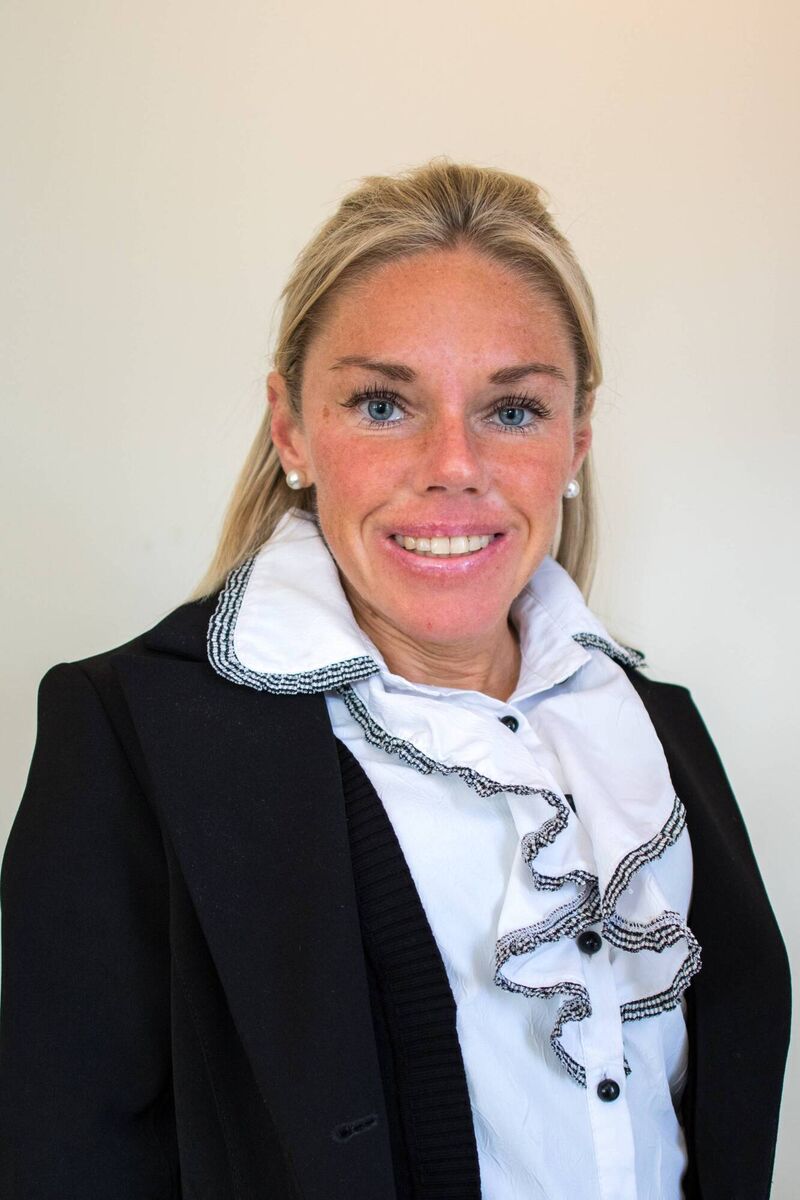
- Majella Galvin is the chairwoman of the membership and public affairs committee of the Society of Chartered Surveyors Ireland. She is a chartered surveyor, estate agent and registered valuer at DNG Galvin auctioneers Bandon
CONNECT WITH US TODAY



Be the first to know the latest news and updates