Majella Galvin: How to spot fake property pictures in an age of AI
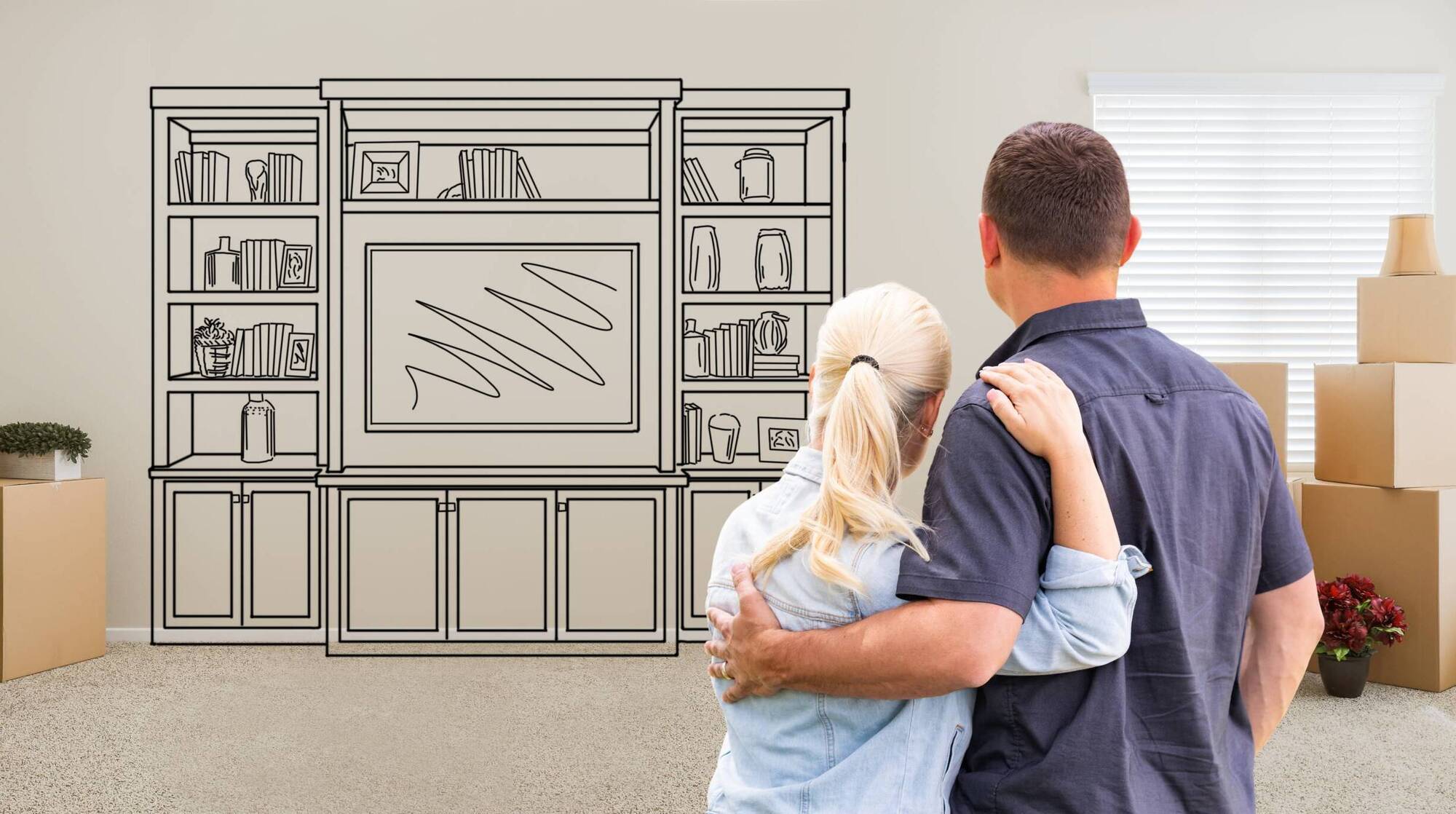
It is not always easy to identify an AI-generated or heavily edited image, particularly as the technology is becoming more sophisticated. However, there are a few things you can look out for...
Dear John,
However, this does not mean that every photo enhanced using AI, or every virtually staged property image, automatically requires a label under the legislation.
If an estate agent uses AI to digitally furnish, declutter, or, alter a photograph of a property, the image is classified as “partially AI-modified”. In that case, the agent must ensure that a clear, visible icon, watermark, or text label is present on the listing or website, letting prospective buyers know the image has been digitally altered or generated.
Beyond the act’s technical labelling rules, altering structural features (such as removing a pillar or adding a window or erasing stains/cracks) risks violating broader consumer protection and fair-trading laws by engaging in practices like “housefishing”, which is where buyers are misled using altered imagery. The body with responsibility regarding accurate property marketing in Ireland is the Property Services Regulatory Authority (PSRA). Licensed estate agents already have legal obligations in this regard. Misrepresenting a property’s physical condition can trigger formal complaints, audits, or disciplinary action against the relevant agent.
Buyers should also be able to view the original photograph where an image has been virtually staged or significantly changed, and many regulatory guidelines recommend keeping original, unedited photographs alongside any AI-staged versions so buyers can accurately assess the true condition of the home.
AI can help market a property, but should never be used to misrepresent what is being sold.
Pay particular attention to windows and doors. Look for missing handles, unusual shapes, or details that seem to change from one image to
another.
Be cautious of unusually perfect finishes. A secondhand home with flawless walls and floors with no signs of wear and tear should arouse suspicion.
AI-generated images can sometimes produce unusual reflections in mirrors or windows, or shadows so watch out for those.
If a floor-plan is provided, use it to check the general layout and proportions of the rooms.
Finally, it is important to remember that professional photography can make rooms look larger or brighter than they feel in person. These techniques are not necessarily misleading, but buyers should be aware that photographs rarely tell the whole story.
I’d always recommend doing a little research online before booking a viewing: Start by looking at the location using Google Maps and Street View. If previous sale or rental listings are available, they may provide older photographs that offer a useful comparison.
- Are the photographs recent, and do they show the property’s current condition?
- Have any images been digitally altered, virtually staged, or enhanced using AI?
- Is the property in good condition, or does it require refurbishment or repairs?
- Are there any known issues with damp, the roof, windows, plumbing or heating?
- Have any significant renovations or improvements been carried out?
- Is the property vacant or currently occupied?
- Do the photographs provide a complete representation of the rooms and layout?
- Are there any items in the photographs that are not included in the sale?
- If the floor plan isn’t included in the ad, is one available to view?
- Property marketing should encourage buyers to arrange a viewing, but it must be honest and responsible. Descriptions and photos should give a fair representation of the home for sale.
- Where an image has been virtually staged or materially altered, this should be made clear so prospective buyers understand what has changed and are not misled about the property’s actual condition or features.
- For anyone searching for a home, my advice is simple — enjoy browsing online but keep a critical eye. Ask questions before arranging a viewing, take your time when you visit, and never be afraid to seek professional advice.
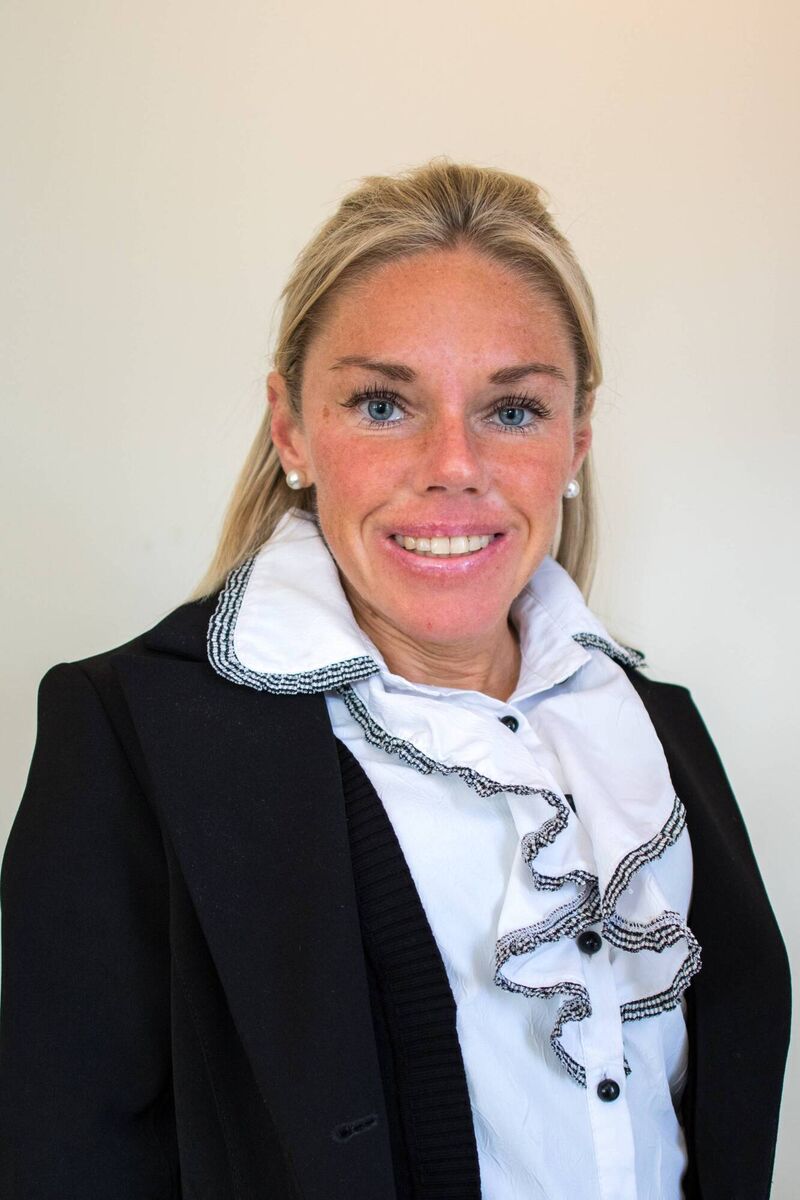
- Majella Galvin is the chairwoman of the Membership and Public Affairs Committee of the Society of Chartered Surveyors Ireland. She is a chartered surveyor, estate agent and registered valuer at DNG Galvin auctioneers Bandon.
CONNECT WITH US TODAY



Be the first to know the latest news and updates