Kieran McCarthy: Building a home on family farmland — is it possible or practical?
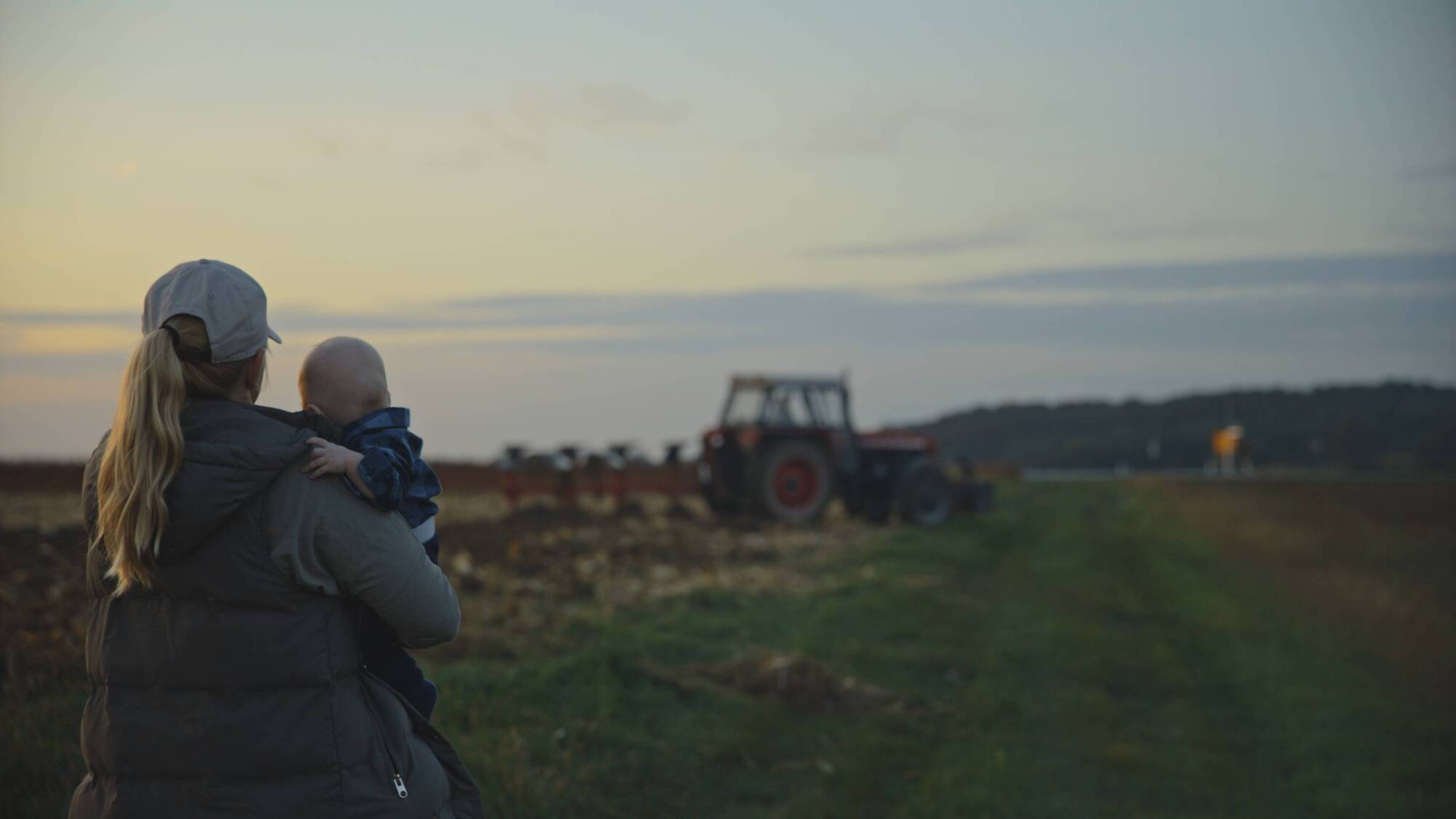
Building a home on family farmland — some practical things to consider
Would it be cheaper and easier to build a home on family farmland than buying a second-hand house somewhere?

Would it be cheaper and easier to build a home on family farmland than buying a second-hand house somewhere?

Hi Kieran

As someone who has just returned home from five years nursing in sunny Australia it seems like there is a massive shortage of housing here. This is really affecting me as I am looking to get a house for myself and my partner. We are now considering building our own house on my father’s farm. Would this be cheaper and easier than trying to find a second-hand home on the open market?

Karen, Bantry, Co Cork

Hi Karen.

Welcome home to Ireland. I’m sure you are bringing home a wealth of the knowledge and experience you have gained in the Southern Hemisphere!

However, it may well be difficult for you to find a home for yourself now, as we are in the midst of a housing shortage. But it’s great to hear that there may be an option to build a new house on your father’s farm.

Let’s see how this stacks up in terms of difficulty and cost...

In my business, KMC Homes, we have designed and built many such houses in the countryside, particularly in Cork. Whenever we get a new inquiry there are a few key steps that I always take.

The three pillars to any new build project, particularly in the countryside are design, budget, and planning (potential).

Step 1: Local connection

The first question I ask is about your connection to the area. For planning purposes you need to be the son or daughter of a farmer and ideally that it might be your intention to help out with the farm and perhaps take over the farm in the long run, as this helps maintain the rural social fabric in these remote areas which planners are generally keen to do.

The more information you can provide here the better.

You will have various forms to fill out describing how you grew up in the area, what school(s) you went to, were you involved in the community eg GAA, Foróige or other such local clubs and groups. These all help demonstrate your ties to the area and bolster your case for returning home.

It may be that you have children yourself now, and wish to send them to primary school in the locality now which again speaks to the next generation putting down early roots in the area.

I would give a lot of thought to this aspect of the project as it is vital that you can demonstrate these local links.

Step 2: Rural design guides

The next step is to align your proposed new home development with best practices in terms of planning and local engineering policy.

From a planning perspective there may be restrictions in roof height (if all the surrounding houses are bungalows it is unlikely you will get planning for a full two-storey house).

Some county councils (including Cork County Council) have a rural design guide booklet which is very helpful and generally promotes good design. You can easily view these guidelines online and align your new design with these principles.

You will need to ensure your new house is not adding to an existing line of houses which can be classed as ‘ribbon development’, and avoid building way up in the back field which can be classed as ‘backland development’.

Plans will generally discourage these two situations.

Step 3: Local engineering principles

There are of course a variety of local engineering principles to keep in mind too.

You will need to carry out a percolation test to ensure your ground permeability is suitable for a treatment unit or septic tank as there are generally no sewers in the countryside.

You will need to ensure that the entrance to your site is safe and allows for sufficient visibility for cars passing on the local road in both directions. (Your engineer or architect can check this for you).

Building new vs buying second-hand

The reality is that building a new home will not likely be cheaper than buying a comparative second-hand home.

New homes are built to today’s onerous building regulations and an A2 BER so they are generally considerably more efficient than second-hand homes. And building costs have risen in recent times dues to a shortage of materials and indeed labour.

However, a modern house that you get designed around your unique needs and lifestyle is one that you will never need to change again.

And when everything is brand new and covered by a variety of warranties, you aren’t really comparing like with like anyway.

Best of luck with your new venture, whatever path you take.

Building engineer Kieran McCarthy is the director of KMC Homes
  • Kieran McCarthy is a building engineer, and director of KMC Homes, who specialise in designing and building luxury homes in Cork. He also presents the RTÉ TV show ‘Heat My Home’, showcasing deep retrofits in Irish homes; kmchomes.ie
  • @kierankmc has more home-building tips, information, and Q&A advice;
  • Follow Kieran on the ‘Built Around You’ Youtube channel.

More in this section

Revoiced

Newsletter

Had a busy week? Sign up for some of the best reads from the week gone by. Selected just for you.

Cookie Policy Privacy Policy Brand Safety FAQ Help Contact Us Terms and Conditions

© Examiner Echo Group Limited