€975k Lee Villa, once home to prominent Cork family the Morroghs, awaits a Great House Revival 
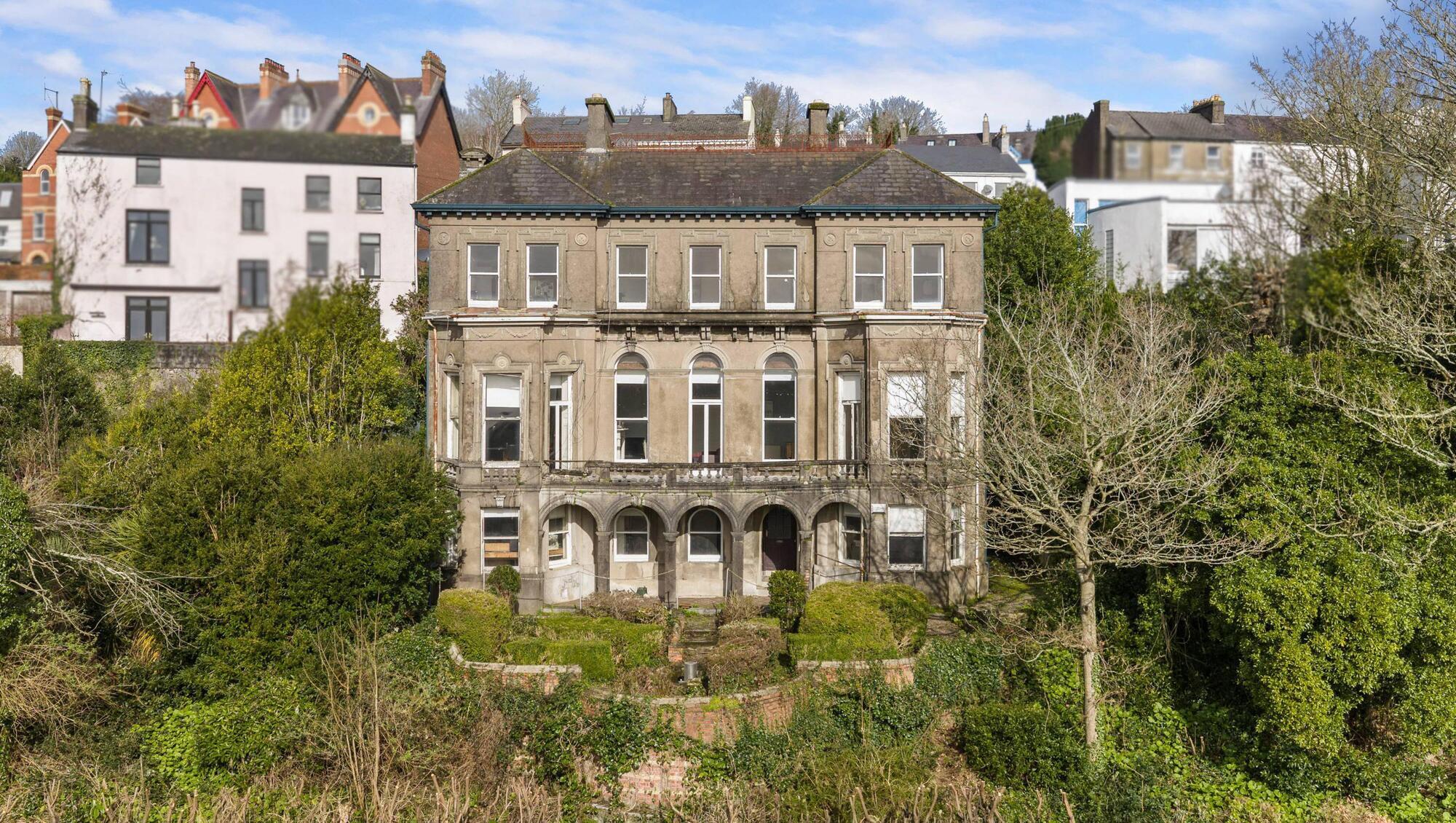
A Sunday’s Well fixture for close to 200 years, this Italianate villa deserves a return to its glory days 
€975k Lee Villa, once home to prominent Cork family the Morroghs, awaits a Great House Revival 

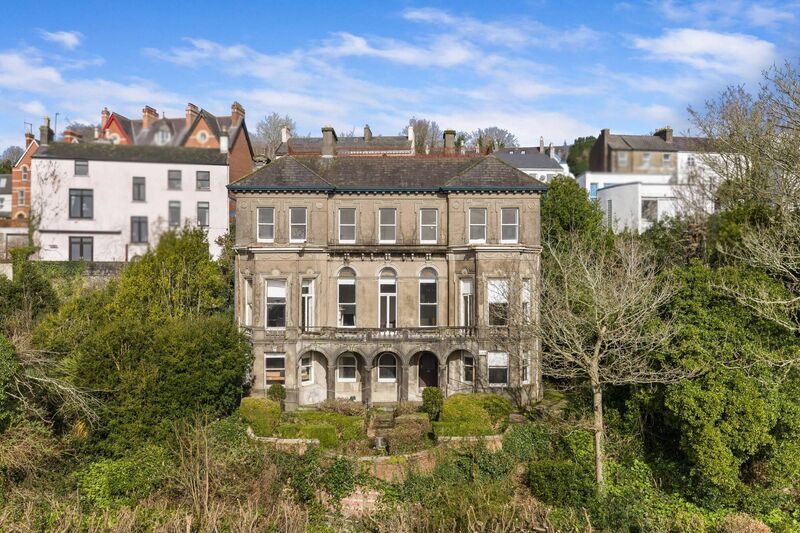
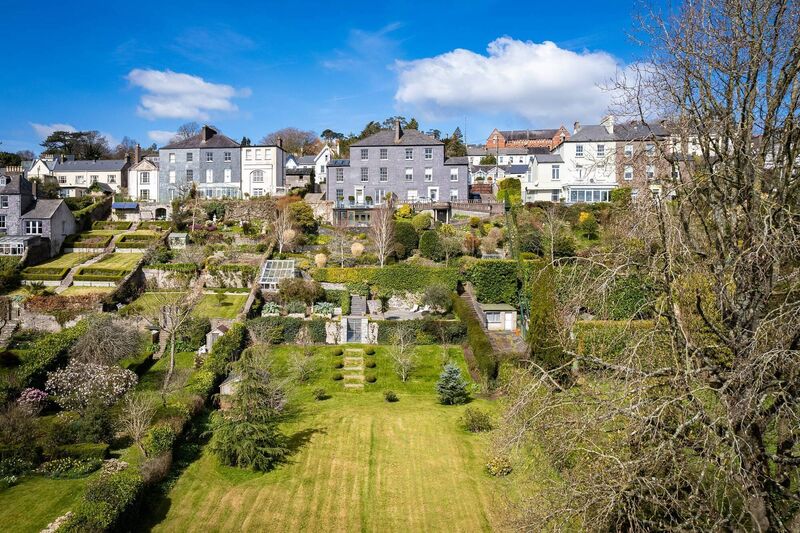
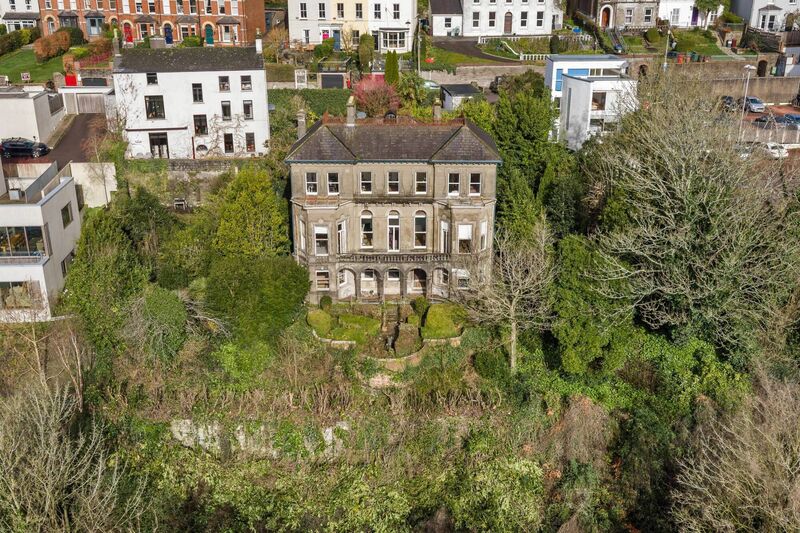
Lee Villa, Sunday's Well, former home of the Morrogh family. Pictures: Jim Rocks/Media Pro 

Sunday's Well, Cork city

€975,000

Size

279 sq m (3,000 sq ft)

Bedrooms

4

Bathrooms

3

BER

E1

IN its heyday, it’s easy to imagine that an invitation to Lee Villa was a highlight of the social calendar, a chance to rub elbows with Cork City’s movers and shakers, in a dazzling, Italianate-style residence overlooking the river in Sunday’s Well. 

It was one of those homes that everyone knew of, but few had access to. To make the guest list was a signal to society that you had ‘arrived’.

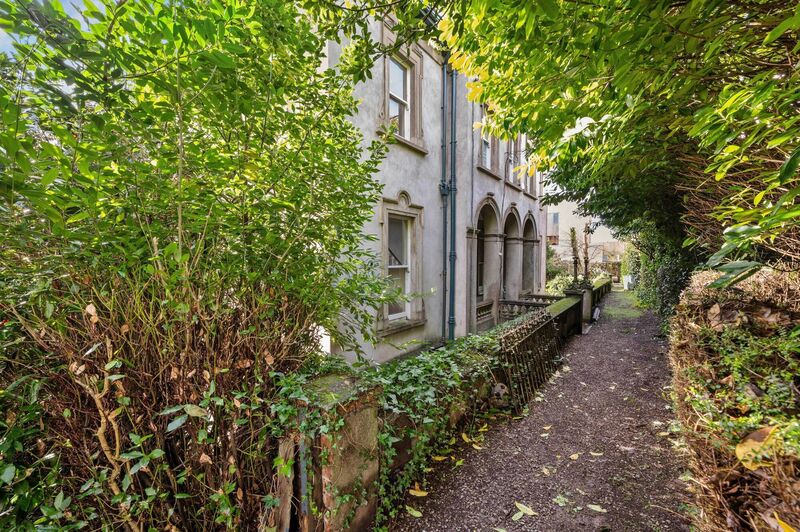
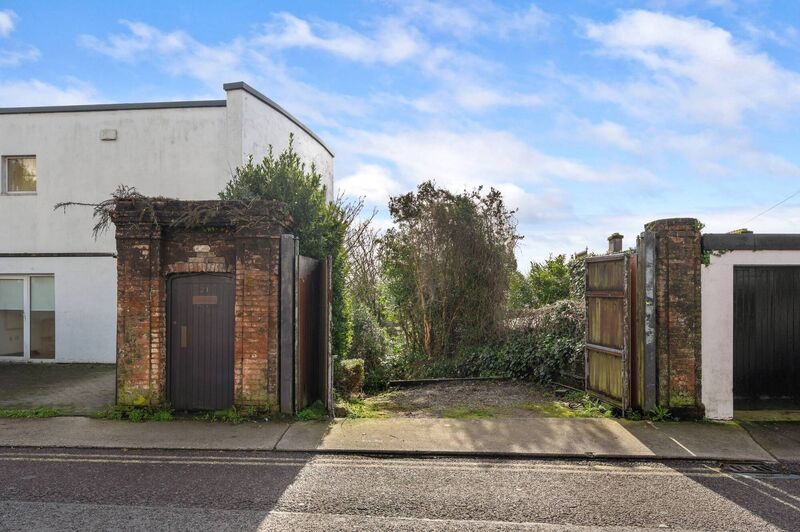
Leafy entrance lane to Lee Villa

Beyond the optics of social climbing and improved marriage prospects, such gatherings were opportunities to forge new business and political alliances.

Lee Villa turned plenty of heads, among them John Morrogh’s — a member of an old Cork family associated with industry, politics, stockbroking, and business in the city — who took it on lease after it was advertised in the Cork Constitution newspaper in March 1887. 

Morrogh had made his fortune in the late1860s in the diamond mines in Kimberley, South Africa, where he also befriended the founding father of Rhodesia, Cecil Rhodes. Morrogh became an early director of South Africa-based De Beers Consolidated Mines, reflecting the scale of his contribution to the industry. 

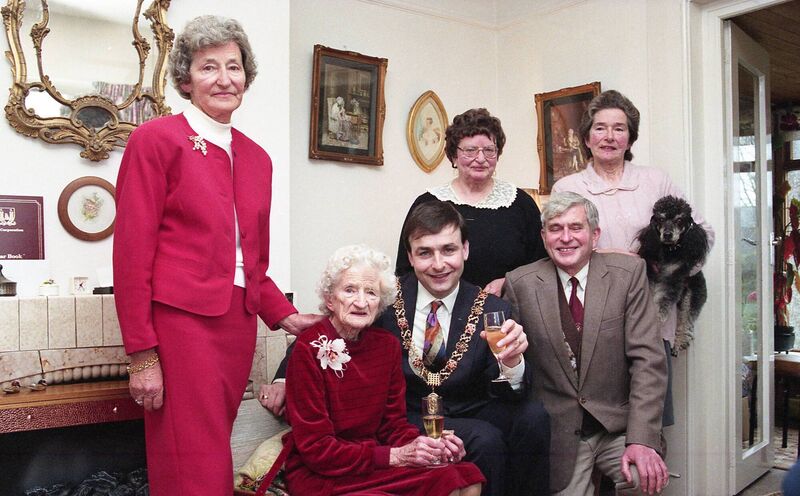
Dorothy Foreman, who was born in Lee Villa, celebrating her 100th birthday with her daughters Pat O'Neill, Rosemarie Kiely, Mary Foreman, her son Adrian Foreman, and the then Lord Mayor of Cork, now Taoiseach, Micheál Martin. March 11 1993 Picture: Cork Examiner

His connection to the company endured: When his daughter, Dorothy Foreman, celebrated her 100th birthday in 1993, one of the congratulatory messages she received was from De Beers — a detail noted in a Cork Examiner article marking the occasion.
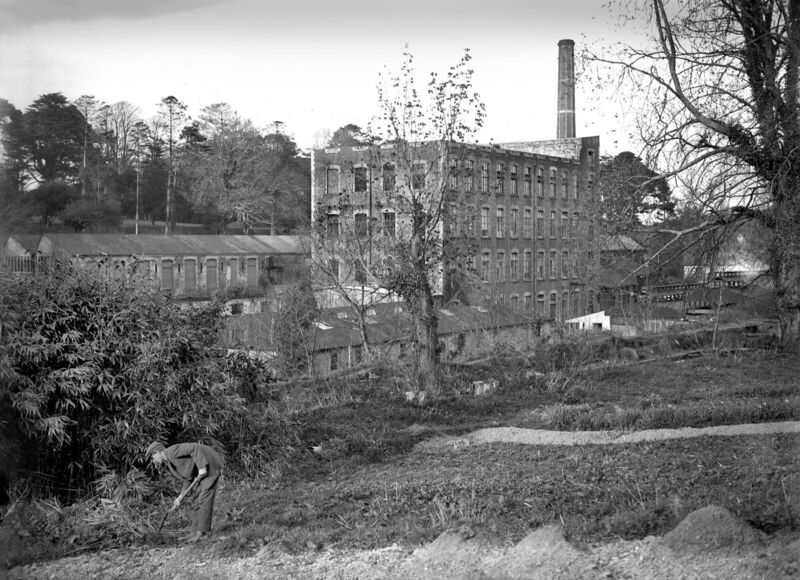
By the time Dorothy was born in Lee Villa, her father was up and running at Morroghs Mills in the suburb of Douglas, having purchased the premises in the late 1880s from the flax-manufacturing Pollock family, before converting it to woollen manufacture. At its peak, it was one of the largest woollen mills in the south of Ireland.

Morroghs Mills, Douglas pictured in August 1929 

Morrogh was also active in politics, serving on Cork County Council and representing South-East Cork in Westminster as a nationalist MP from 1889 to 1893.
Like many of his peers in Cork city’s professional and mercantile elite, Morrogh sought out a well-appointed home in the leafy hills outside the city — then, as now, places like Tivoli and Sunday’s Well were fashionable residential areas — and his family landed at Lee Villa.

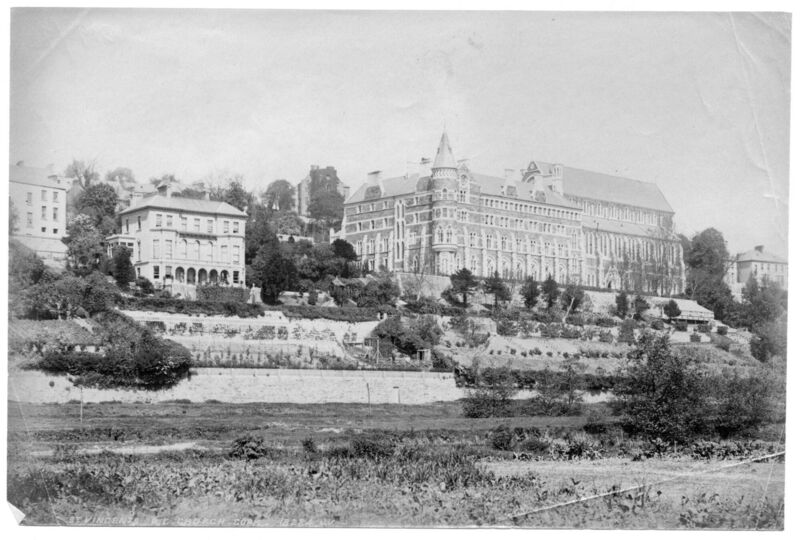
Lee Villa and St Vincent's Church and Seminary, circa 1900. Picture: Cork City and County Archive, Wilkie Photographic Collection

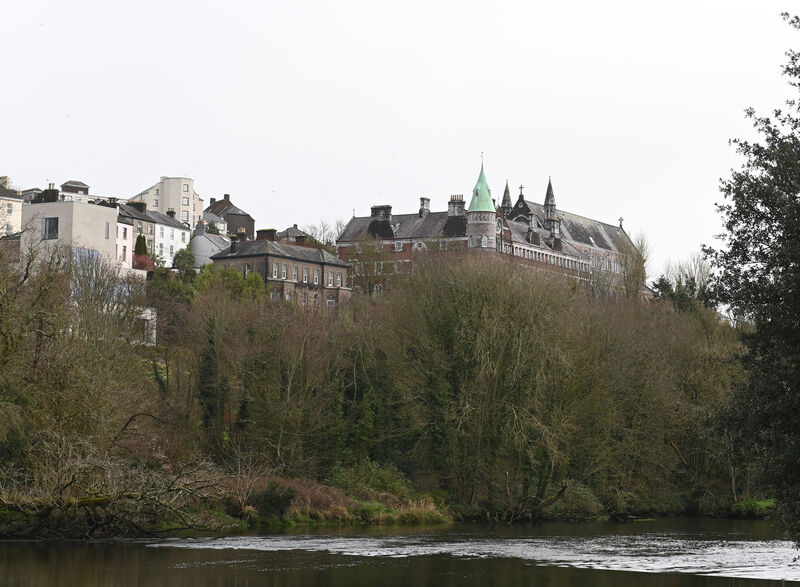
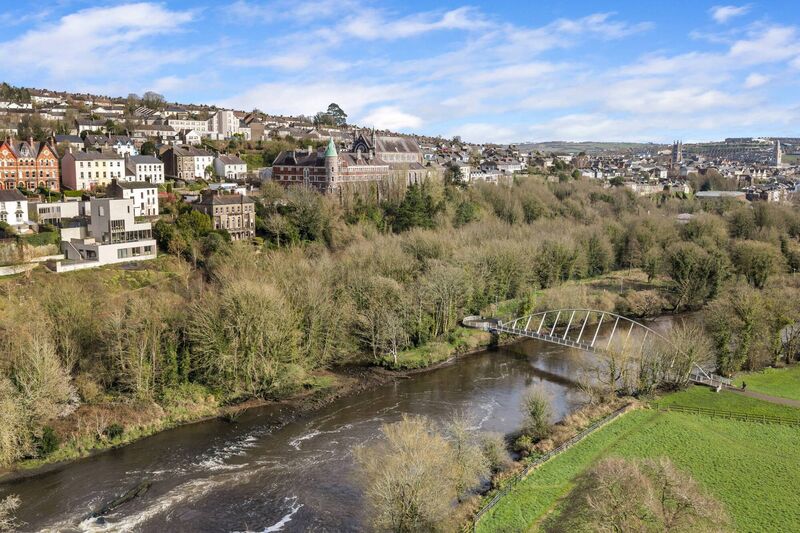
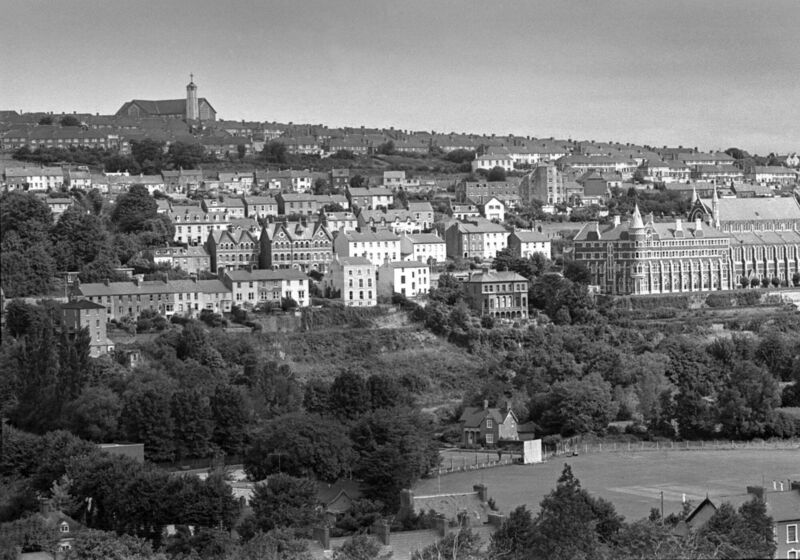
Black-and-white photographs from the 1900s capture just how exquisite it was. Set above terraces that cascade down towards the River Lee, it faces due south, over a mature wooded section of the river’s north channel. 

It’s a majestic piece of architecture, distinguished by a row of rounded arches at basement level, where guests could flit in and out.

Lee Villa, Sunday's Well

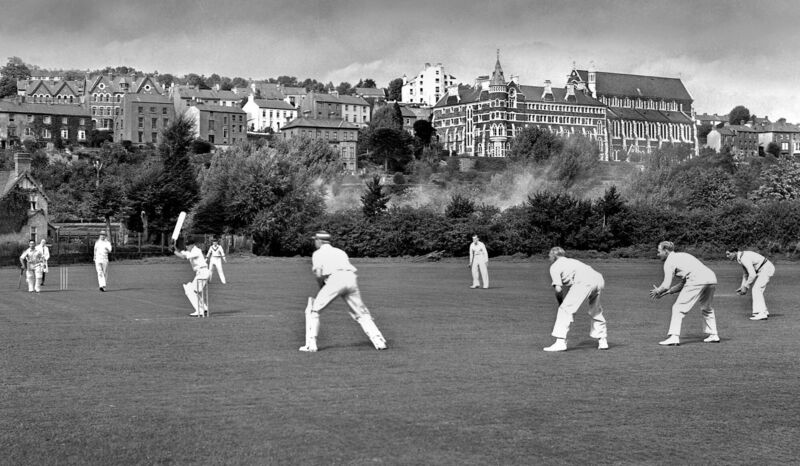
Cork County v English Counties at the Mardyke, 1949

 With views over the river and the Mardyke Cricket Grounds, it must have been quite the scene of a summer afternoon to observe players dressed in the crisp-white flannels of the Victorian era take their positions around the manicured turf.
The date of construction of Lee Villa, at No 21 Sunday’s Well Rd, is not known, but the house is included on the first-edition ordnance survey map for Cork, c 1841-42.

 It’s shown as Amati Villa on the map and is set within substantial grounds. Back then, it was a five-bay, two-storey home, with a tall piano nobile or ‘noble floor’ on the first floor, where the main social spaces were located. 

This two-storey home — which didn’t have bay windows or a balcony — is visible in early photographs of Sunday’s Well, some of which were taken following the completion of St Vincent’s Church and seminary in the late 1860s. Later photographs show the house still in its original two-storey form until 1880. 

When it was advertised for lease in the Cork Constitution in 1887, the description was quite idyllic: “A beautiful suburban residence...with about an acre of flower garden, with an ornamental fountain, greenhouse and conservatory, and vegetable garden extending to the river.”

The current owner, who has a passion for heritage buildings, believes Morrogh was behind the extensive remodelling of Lee Villa, which dramatically altered the house.

Picture: Larry Cummins

 Around 1900, an additional storey was added, along with bay windows at the ground and first floors. A balcony was built across the central bays at first-floor level. (see pic, top right, from the Wilkie Collection). 
Photographs taken in the early 20th century show the building in the form that survives today. The changes turned an already handsome property in to a magnificent, Tuscan-style villa, with symmetrical facade, arched openings, tall windows, and terraced garden. 

But from a structural perspective, it created issues that have now come home to roost. Fast forward to 2026 and the limitations of the supports for that extra storey are evident. One bay window needs radical intervention to prevent its collapse, while the balcony is precarious.

Entry floor kitchen
Entry floor kitchen

When the current owner bought Lee Villa 40 years ago, it was because he understood the house was special. At the time, he was doing work on the carpark at nearby St Vincent’s Church and heard from the local priest that one of his parishioner’s was selling the property. 

It was his intention to carry out a significant restoration, but as he ruefully says “time waits for no man or building”, acknowledging that the task has passed him by. 

To his credit, he’s devoted his career to saving and restoring some of Cork’s most significant buildings, securing an important architectural legacy for the city, and one for which we owe him a considerable debt of gratitude. 

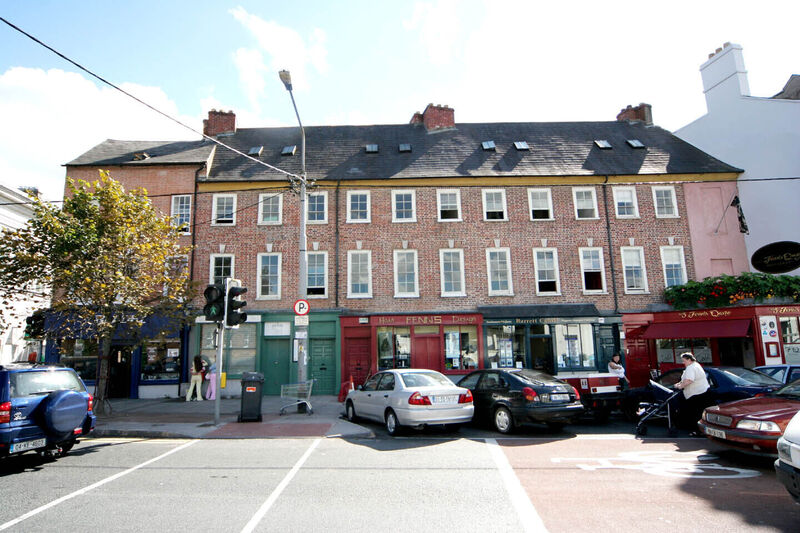
Fenns Quay Picture: Cillian Kelly 

Bookending his work is the skillful conservation and restoration in the 1990s of the historic terrace at Fenns Quay, for which his architectural firm won the Royal Institute of the Architects of Ireland (RIAI) silver medal for conservation, and, more recently, the superb architectural redevelopment and conservation of Nano Nagle Place, Douglas St, for which the practice won an RIAI award for urban design and master planning in 2020.
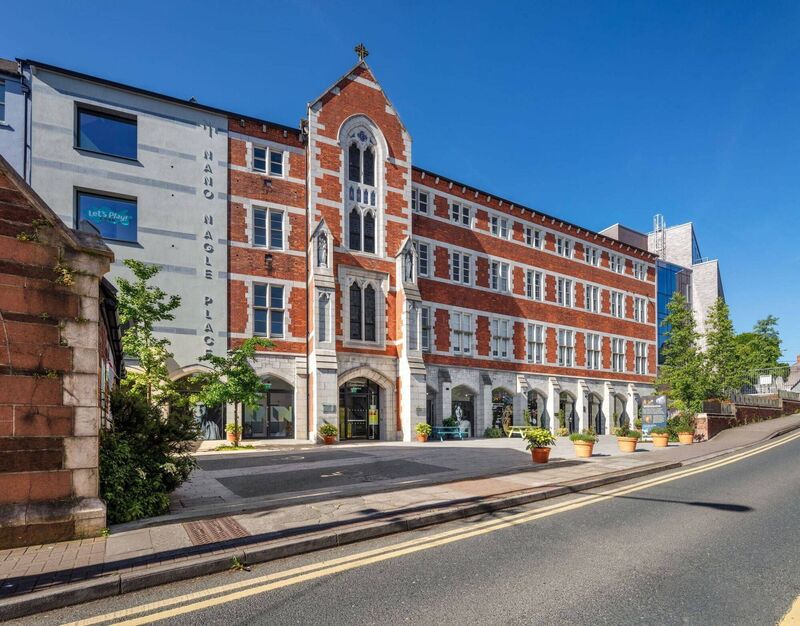
Nano Nagle Place and adjoining School of Architecture on Douglas St

Lee Villa’s owners through the years — including, after the Morroghs, another prominent local family, called the O’Flynns, of whom one, Edmond Patrick Joseph, was an architect — have been mindful of its original features. 

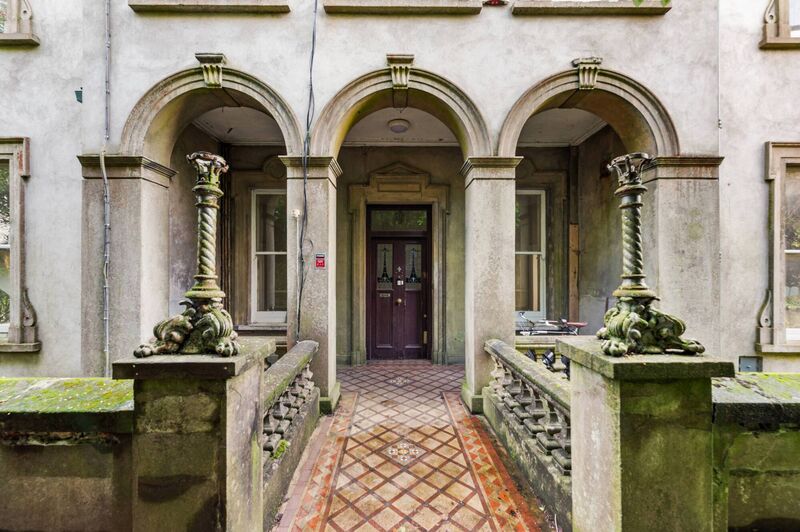
The original timber-panelled front door with stained glass remains intact and the approach to it sets the tone for the villa’s Italianate character: A tiled bridge/walkway, flanked by stone piers, leads from a rear pathway to a porch framed by a trio of rounded arches.

Italianate entrance of Lee Villa

Only a handful of houses have anything like it around the city.
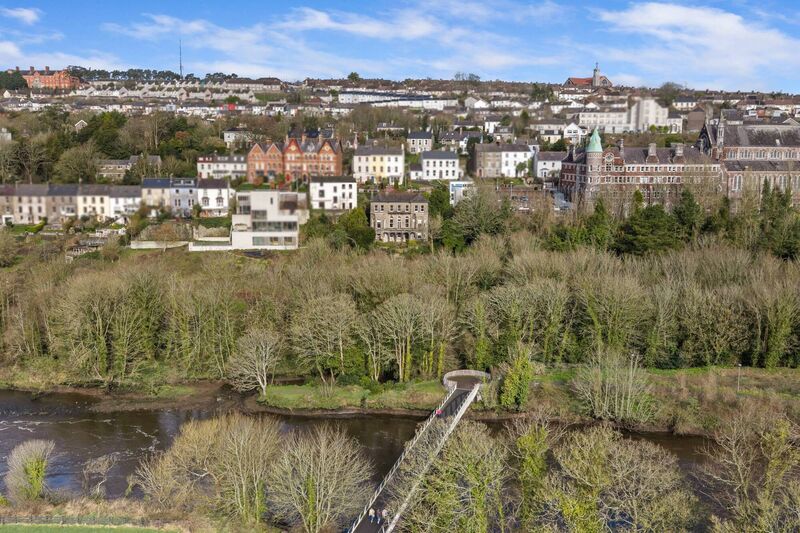
Like many homes in Sunday’s Well, the front door faces the road, leaving the south-facing front of house free of interruption, maximising light and views.

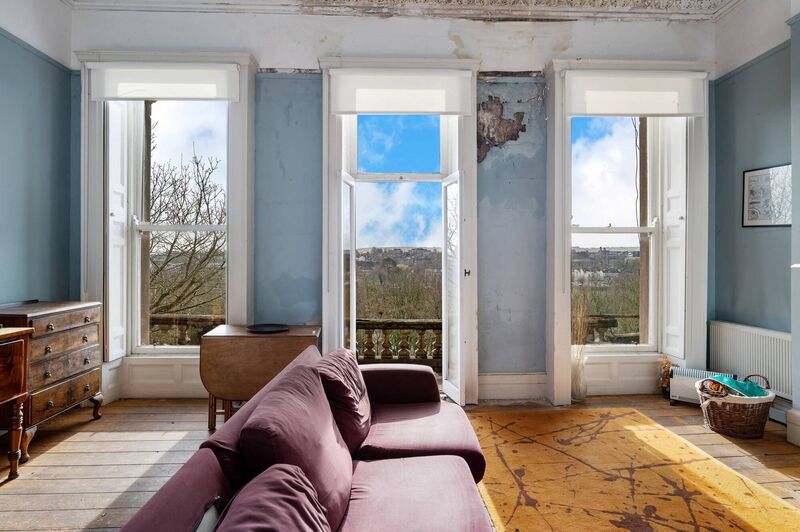
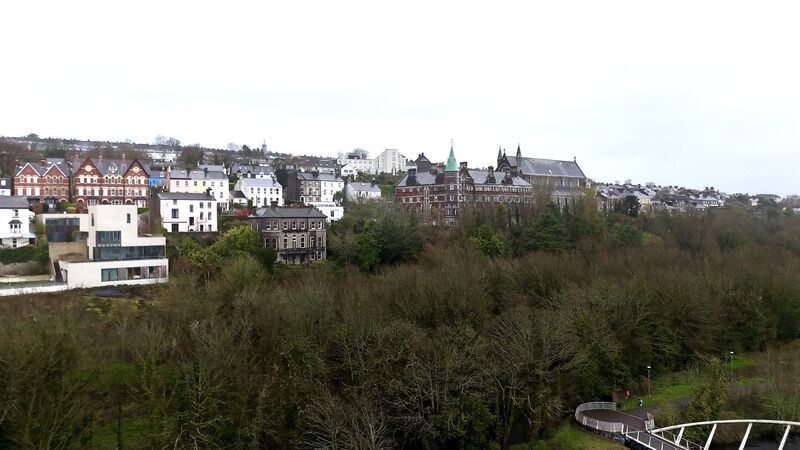
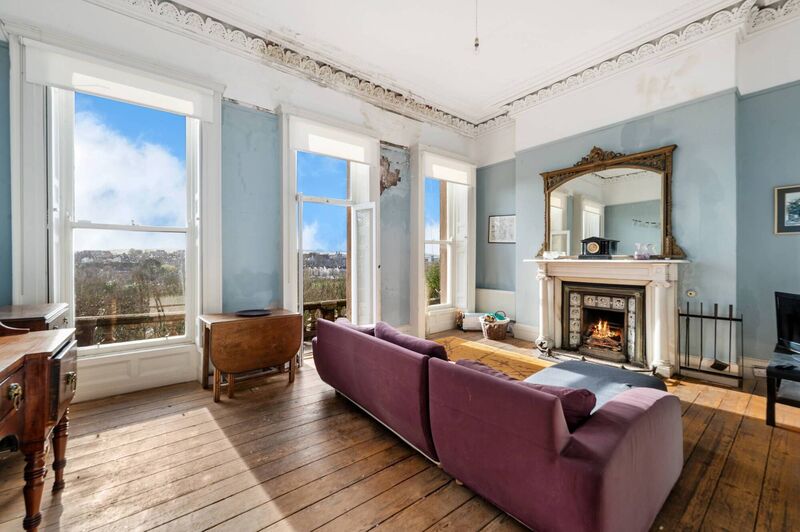
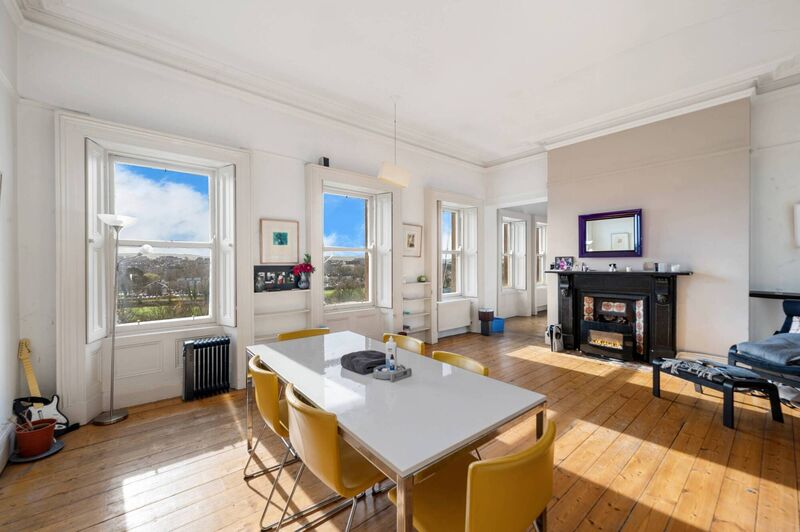
All of the main, high-ceilinged, gorgeously proportioned reception rooms — there are two, plus the kitchen, at first-floor level — face south, with tiered, leafy views towards the river, Mardyke Bridge, Fitzgerald’s Park, Sunday’s Well Tennis Club, University College Cork’s expansive campus, St Finbarr’s Cathedral, and the Bon Secours radiology department — an entire city panoply, stretching south, east, and west. 

Stunning views from the main reception room

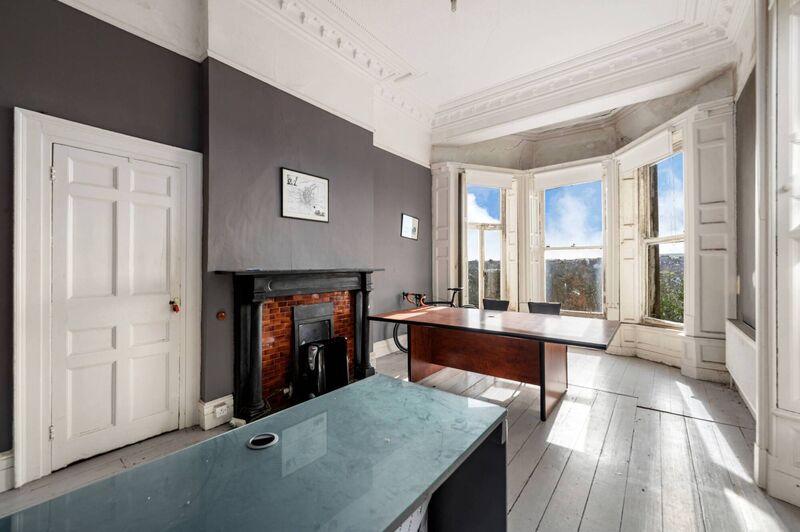
It’s what the current owner fell for: The views, the light, and the magnificent main reception room with marble fireplace, cornicing, central ceiling rose and double doors to the balcony. 
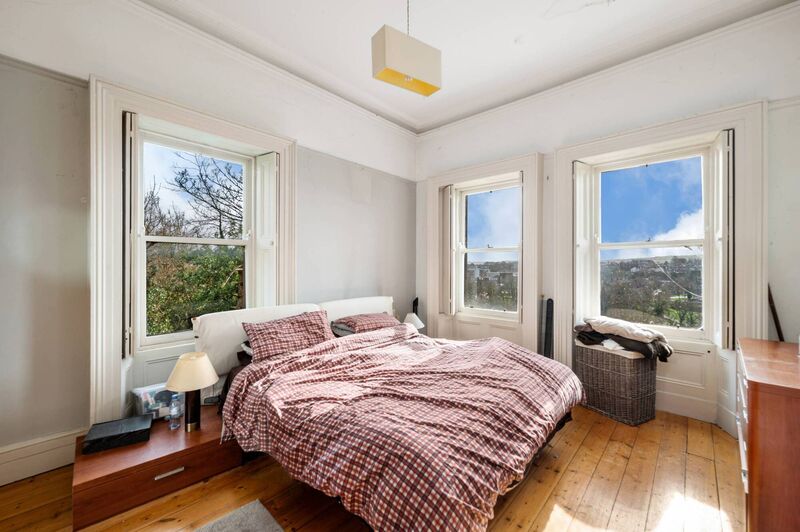
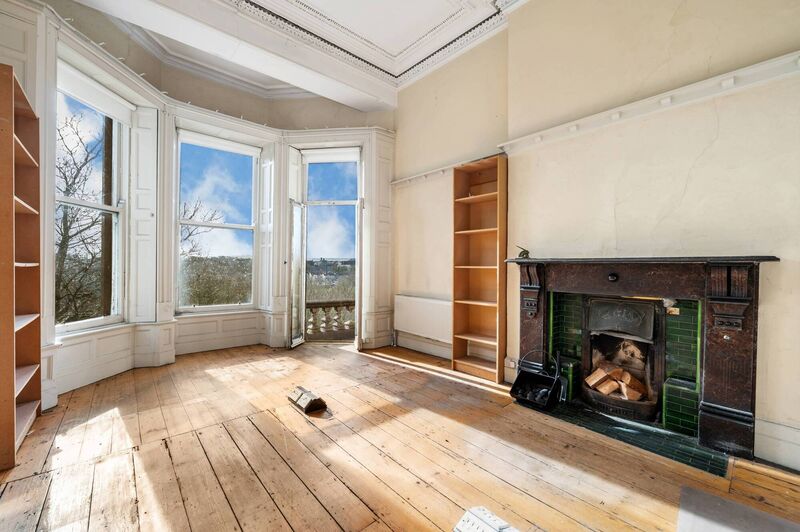
The rooms are replicated on the first floor, except this time they are great big bedrooms, off a wide landing, reached by a gently-rising, extra-wide, handsome staircase.
l
l

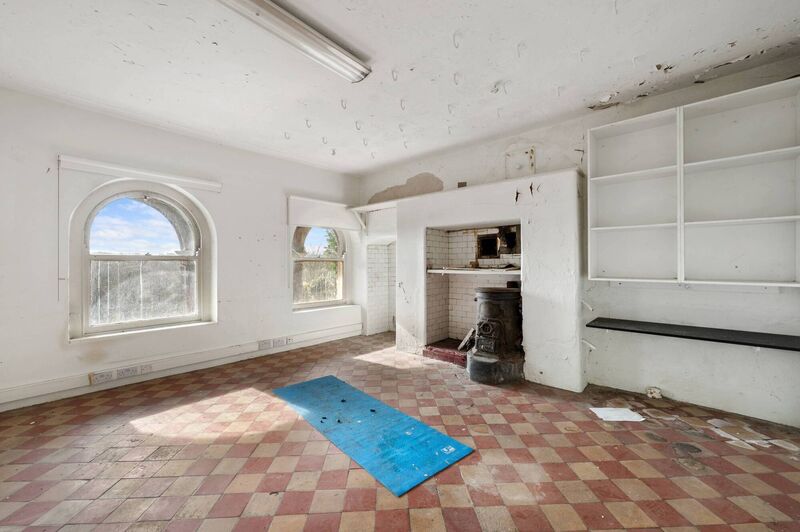
On the basement floor, ceilings are lower, including in an old kitchen, dotted with meat hooks.

Meat hooks in the ceiling of a basement kitchen

 There’s a hotchpotch of rooms, and a rear extension was added at some point.
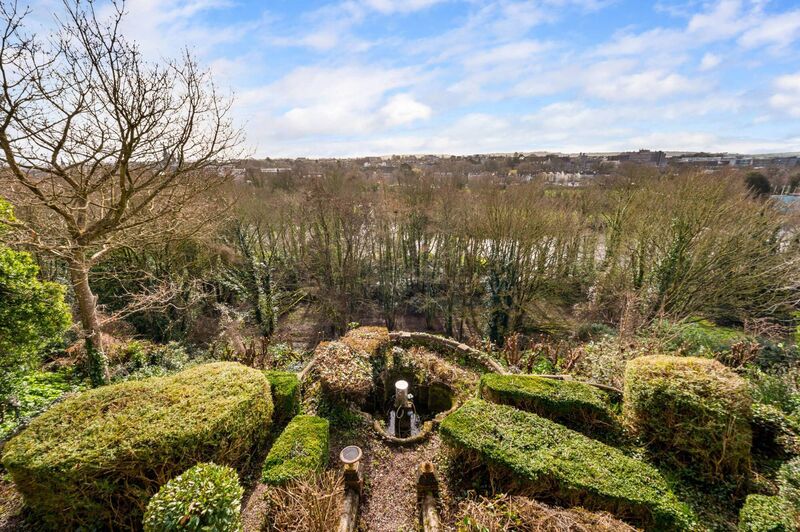
A door leads out to the lower arches and lower garden, which ends halfway down to the river, unlike other homes in the neighbourhood, where river-hugging lands require far greater maintenance. 

Ornate fountain in the gardens of Lee Villa

Small stone carvings from the garden — probably collected from monasteries — were recently donated by the owner to Cork City Museum.
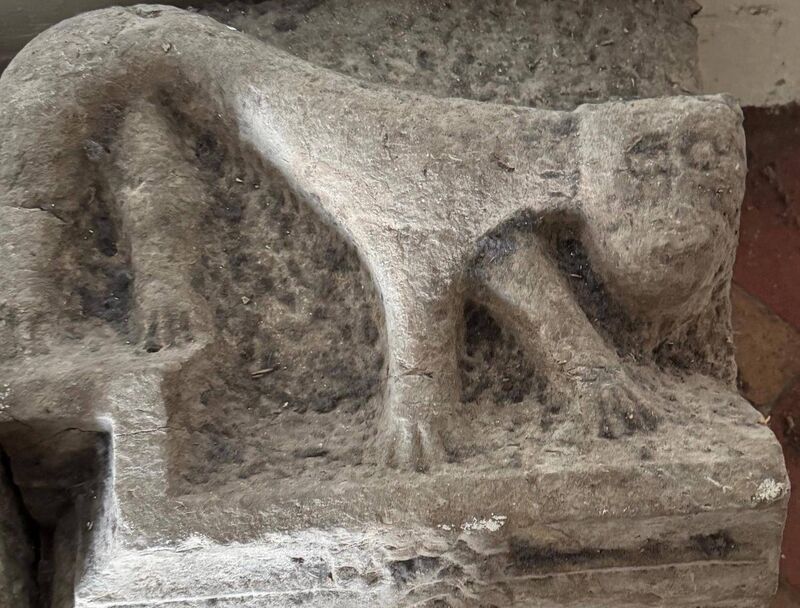
Lee Villa, Stone sculptures from the garden, now in the Cork City Museum, Fitzgerald's Park

The main sitting-out area at Lee Villa is a deck to the west of the house, tucked up to the rear, well below the road, entirely private; it feels like countryside.

The villa is invisible from the main ridge road that runs through Sunday’s Well, where parking can be tight. There is room of sorts to park one car, but new owners will have work to do if they want to formalise parking spaces and their own rear entrance. 

The good news is the house is set on about half an acre, so there is room for manoeuvre.
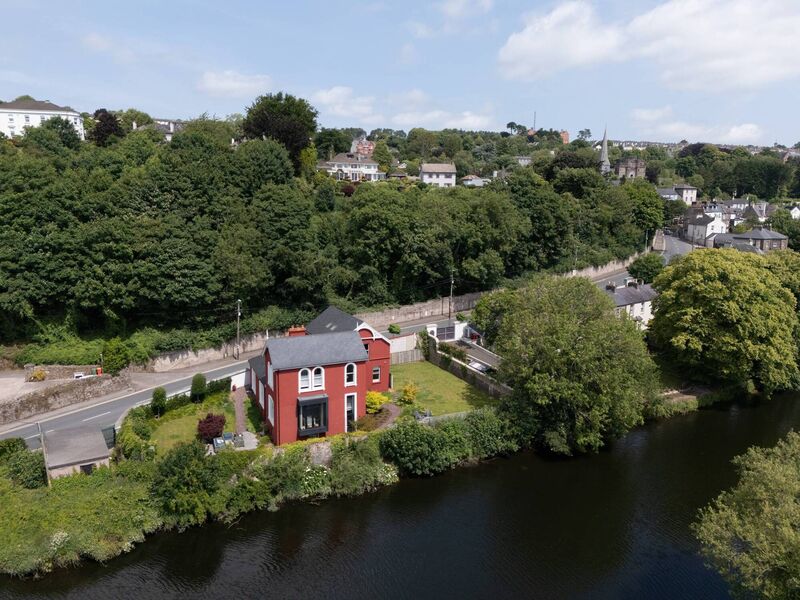
The scale of what’s required inside the house will necessitate a special buyer, but they are out there, as demonstrated by the exemplary restoration of what Corkonians call the ‘Red House’ at the foot of Sunday’s Well hill, a well-known landmark that came perilously close to extinction, following years of neglect and vandalism. 

The chap who bought it for €450,000 in 2016 described it as “the mother of all fixer-upper projects”. It sold this year for a whisker short of €2m.

The restored "Red House" sold for close to €2m this year

Between Lee Villa and the Red House is Hazelhurst, a 200-year-old townhouse, once home to the Earl of Cork, later divided into apartments, and restored to its former glory under two separate ownerships this century.

Hazelhurst was restored over the course of two ownerships and last sold for €1.66m

Works included taking out the house’s mid level and reinstating it, as part of a three-year work schedule. It sold in tip-top shape in 2023 for €1.66m.

Taking on Lee Villa means assuming the stewardship of one of Cork City’s most notable homes. 

Picture: Larry Cummins

The rescue will be expensive: Although it’s not a protected structure, it is in an area of architectural conservation. Whoever rises to the challenge will have the satisfaction of securing the future of this remarkable property and preserving its legacy for generations to come.
The selling agents, Dennis Guerin and Chloe Reidy, of Frank V Murphy auctioneers, expect buyers “who are looking for a period property with immense potential in a prime location”. 

Lee Villa is all of that, and more.

Just a short walk from the city centre, major hospitals,UCC, the expanding Tyndall Institute, and a short drive from Apple’s campus on Hollyhill, in the right hands this remarkable, one-off villa could regain its rightful place among the great houses of Cork City.

VERDICT: If ever there was a candidate for the Great House Revival, this is it. Was once, and can be again, among the best period homes in the city.

x

More in this section

Revoiced

Newsletter

Sign up to the best reads of the week from irishexaminer.com selected just for you.

Cookie Policy Privacy Policy Brand Safety FAQ Help Contact Us Terms and Conditions

© Examiner Echo Group Limited