Property Advice: Why are properties listed sale agreed?
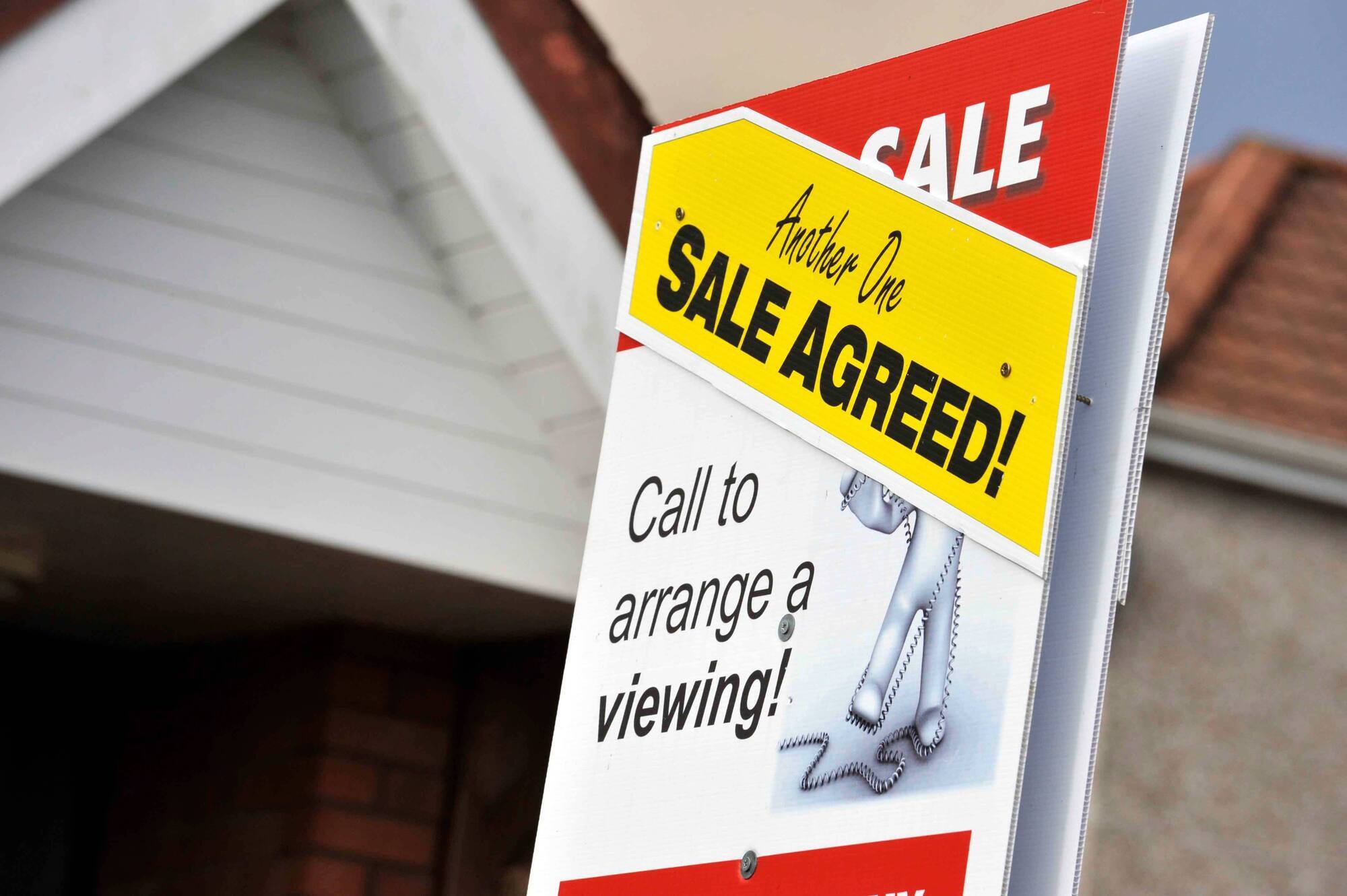
If you come across a home you like that appears to be "sale agreed", don’t lose hope. Ask the agent to register your interest — if anything changes, you could be next in line. File picture: Denis Scannell
Dear Victoria,
You're at a really exciting – and understandably challenging – stage of your property journey. Recognising that your current three-bedroom semi-detached home has served its purpose as a fantastic starter home is a smart decision. Now it’s time to find the space your growing family needs. Wanting to stay in the same area or close by makes perfect sense, especially when it comes to schools, commute, and community – all the things that matter more as life gets busier.
Many families in similar situations find that trading up locally can be harder than expected — especially when desirable properties seem to be snapped up before there’s even a chance to view them. It’s also common to have questions around how to value an existing home and how pricing terminology works.
Let’s take a closer look at your concerns and queries and hopefully we’ll be able to offer some clear, practical advice which will help you move things forward with confidence.
One of the first steps in preparing to move is to understand how much your current home is worth. This starts with a market appraisal — where a licenced estate agent visits, assesses the property’s condition, BER rating, location, and compares it with recent sales in the area.
From this, an estimated value is provided — a professional opinion of what the property might achieve in current market conditions.
Once listed for sale, the home is given a guide price, also known as an Advised Minimum Value (AMV). This is the price shown on property portals and marketing materials. In most cases, it reflects the minimum amount the seller is likely willing to accept and is usually set within about 10% of the appraised value.
The selling price, or market price, is the final amount agreed between buyer and seller after bidding or negotiation. This is the figure that appears on the Property Price Register once the sale has legally completed.
In a strong market, where demand exceeds supply, selling prices often exceed the guide price — particularly for properties in sought-after locations. Remember: the guide price is just that — a guide. The final price depends on what a buyer is prepared to pay and what a seller is happy to accept.
As estate agents, we have a professional duty to mark a property as ‘sale agreed’ once an offer has been accepted by the vendor and a booking deposit has been received from the purchaser.
At this point, we effectively stop actively marketing the property — no new viewings are scheduled, and the sale begins to progress behind the scenes. This will include legal work, surveys, finance checks and the like.
That said, if another party comes in with a higher offer during this period, we are legally obligated to inform the vendor. It is then up to the vendor to decide whether they wish to stick with the original agreement or accept the higher offer.
In practice, many vendors do stick with their initial buyer, especially if the deal is progressing smoothly and the buyer is financially secure. However, both parties need to bear in mind that until contracts are exchanged, nothing is legally binding.
So why does the property still appear “available” online? Sometimes, it’s simply a matter of timing. There can be a short delay between a sale being agreed and the listing being updated on Daft or MyHome, especially over weekends or public holidays.
In some rare cases, vendors require a property to be left visible for back-up interest, especially if the deal is still at a very early stage. However, this isn’t common practice, and agents aim to update listings promptly.
If you come across a home you like that appears to be "sale agreed", don’t lose hope. Ask the agent to register your interest — if anything changes, you could be next in line.
For anyone in the same position — needing to sell in order to buy — one of the best bits of advice is this: start getting your current home ready for sale now. It’s all about being purchase-ready.
It can take a bit of time to get a property fully prepped for market — from decluttering and small repairs to paperwork like BER certification, title documents, and planning compliance. These are often things that get left until the last minute, but having them ready upfront can really speed up the process.
Even something as simple as having your solicitor already engaged and all your documents in order can make a real difference. Being one step ahead shows sellers and their agents that you’re motivated, serious, and ready to act.
If the perfect home comes on the market and you want to make an offer, sellers will look more favourably on buyers who are in a strong position. That means your own home is already listed or at least launch-ready.

If your offer is subject to sale and your own property hasn’t even gone on the market yet, it’s unlikely to be taken seriously — especially in a competitive market.
Another smart move is to register your details with licenced estate agents. Not all properties are advertised online straight away, and some may be sold off-market to buyers who are already on the agents’ books and ready to go.
The Society of Chartered Surveyors Ireland (SCSI) also offers a helpful guide on how to prepare your house for sale. It covers everything from presentation tips to paperwork, which can really help streamline the process when the time comes.
It’s available at SCSI A Guide to Selling Property A5 and is definitely worth a read as is Speed up your property sale – a guide to avoiding the most common delays.
Hopefully you’ll find the property you’re seeking in the near future.
- Majella Galvin is Chair of the Membership and Public Affairs Committee of the Society of Chartered Surveyors Ireland. A chartered surveyor, estate agent and registered valuer at DNG Galvin Auctioneers Bandon, she has been working in the property sector for over a decade - www.dnggalvin.ie
- If you have a property-related query or issue you would like to raise with Majella, please email irishexaminerpropertyqueries@scsi.ie


CONNECT WITH US TODAY



Be the first to know the latest news and updates