Grand Designs project up in the West Cork hills and clouds was ahead of the eco-design curve
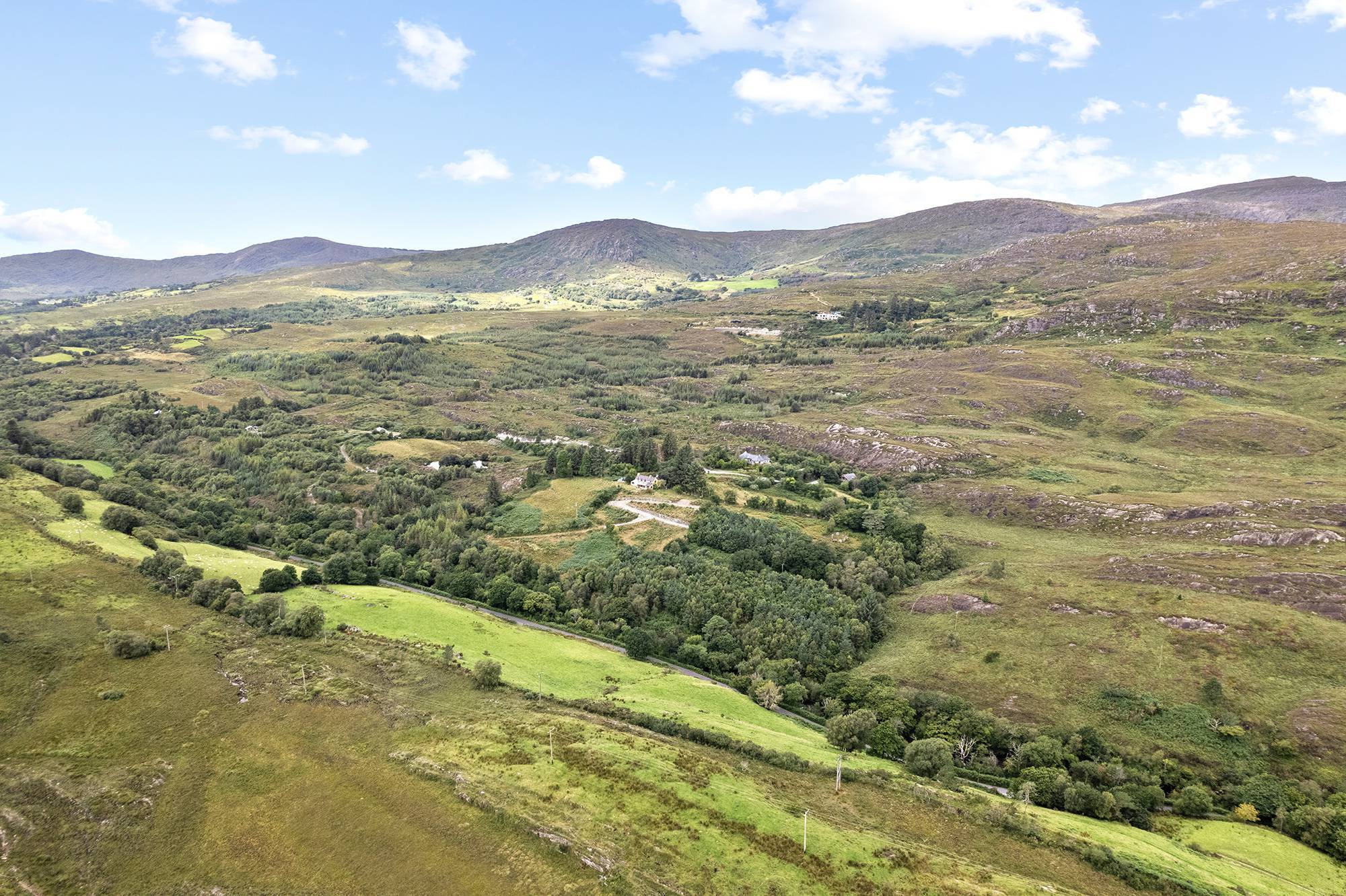
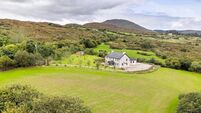
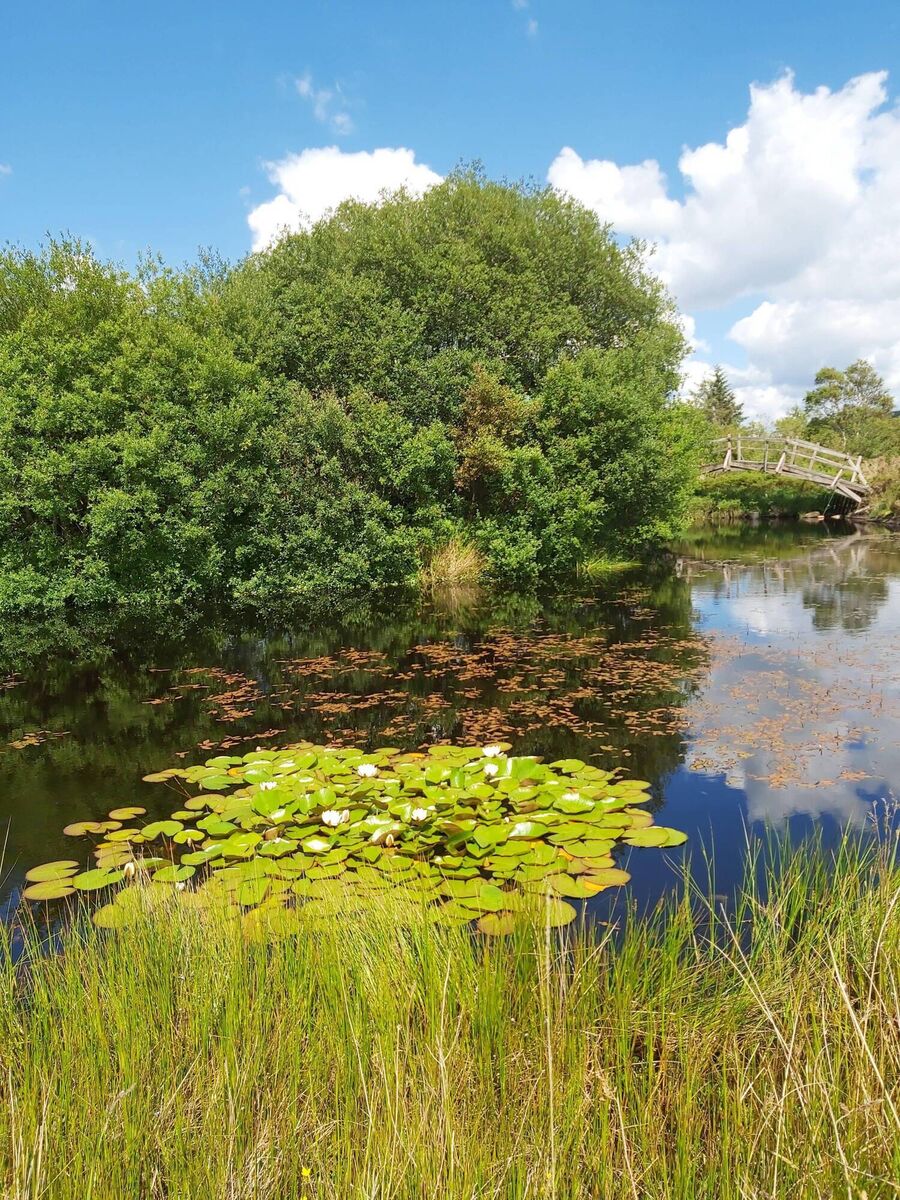
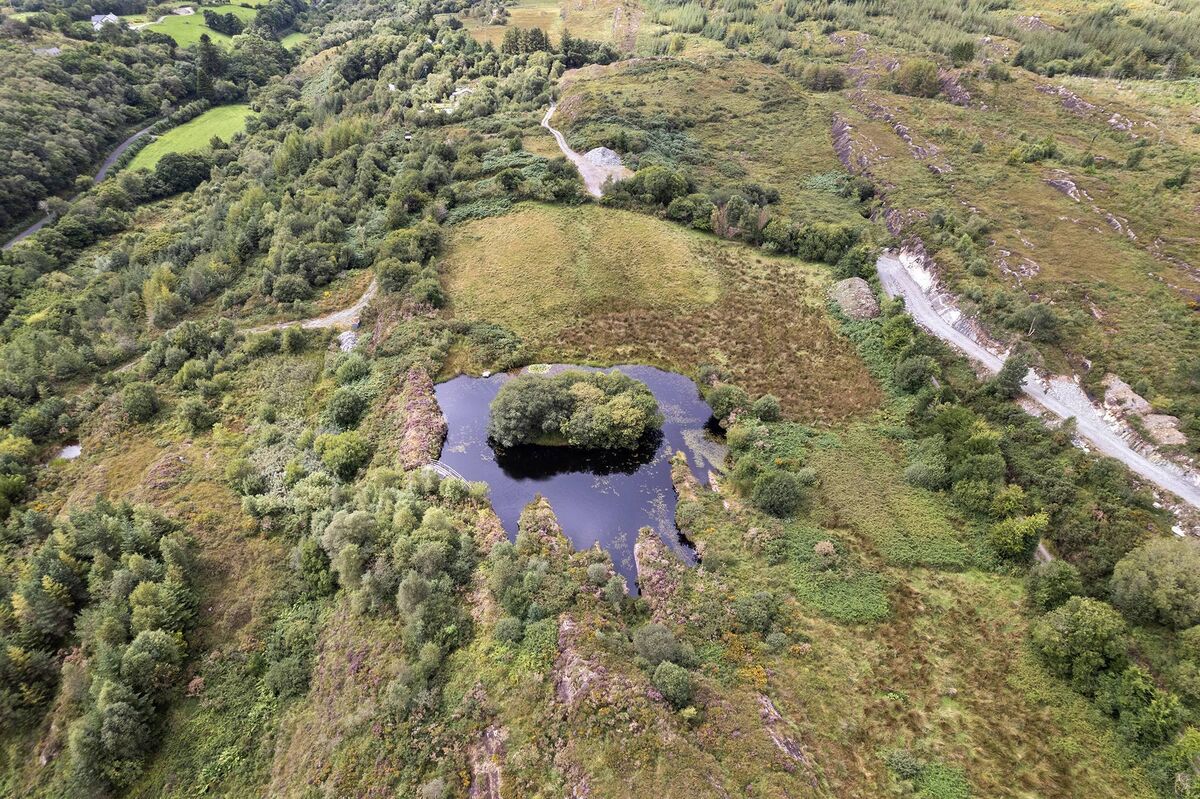
The 144-acre Derryduff Estate with several houses is along the Coomhola river near Bantry on the Cork-Kerry border. Sherry FitzGerald O'Neill's guide at €1.45 million
|
Coomhola, Bantry |
|
|---|---|
|
€1.485m |
|
|
Size |
653 sq m (6,980 sq ft) across four houses, on 144 acres with pond |
|
Bedrooms |
11 |
|
Bathrooms |
6 |
|
BER |
B2 |
TV’s Grand Designs is going strong for 25 years this year — but the couple behind West Cork’s Derryduff Farm in the unsullied Coomhola valley, Tony and Helen Grubert, were in the place-creating groove ever before it with their own grand design, and their ‘ahead of the curve’ eco-aware sensibilities.
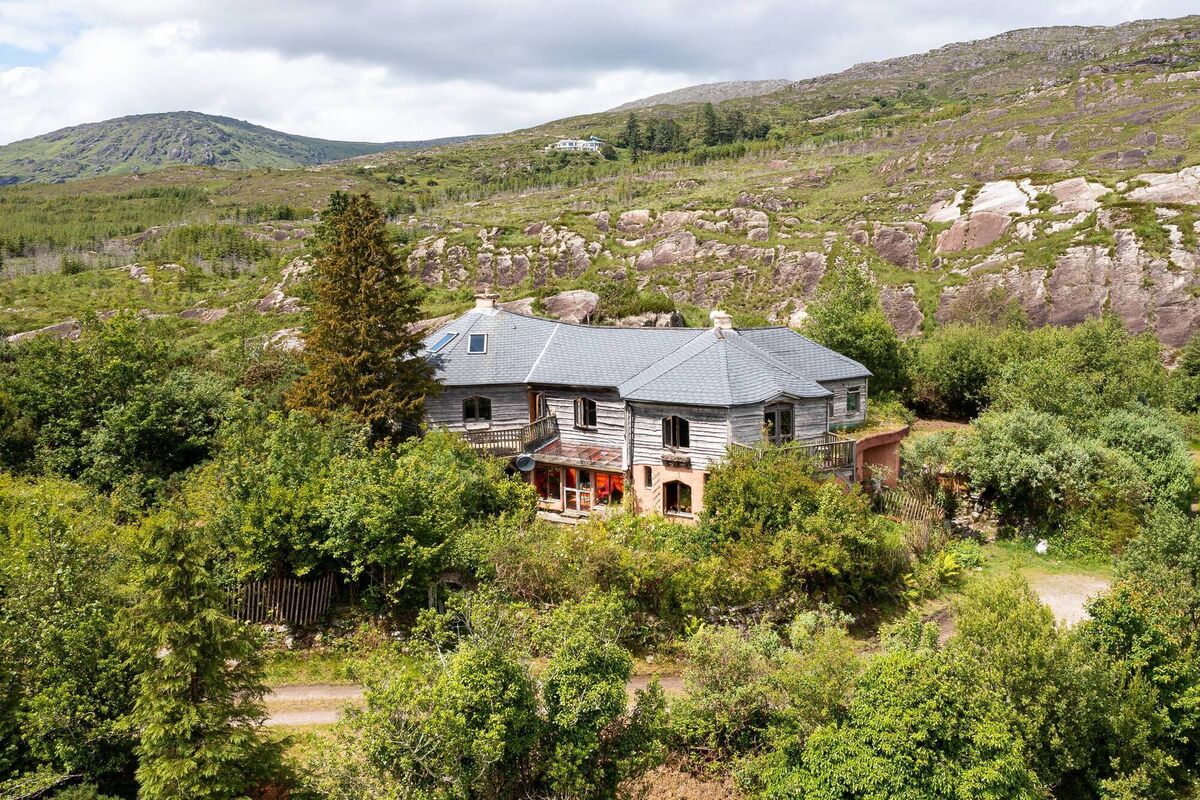
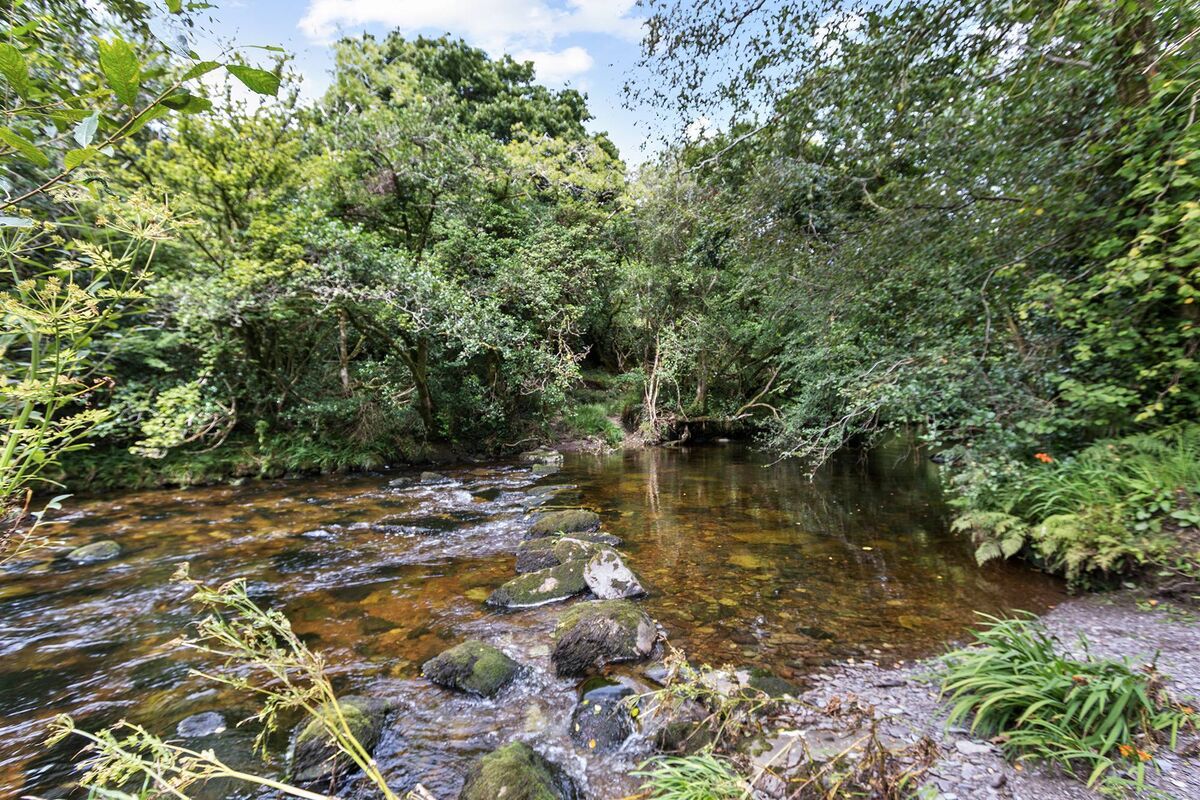
Back in 1992, the couple, originally from London, came across a remote farmhouse up the Coomhola river and by the Borlin valley, where wild West Cork rubs rocky shoulders with wild Kerry and near the sublime Priest’s Leap, run through with a cascading river and watched over by ravens and sheep.
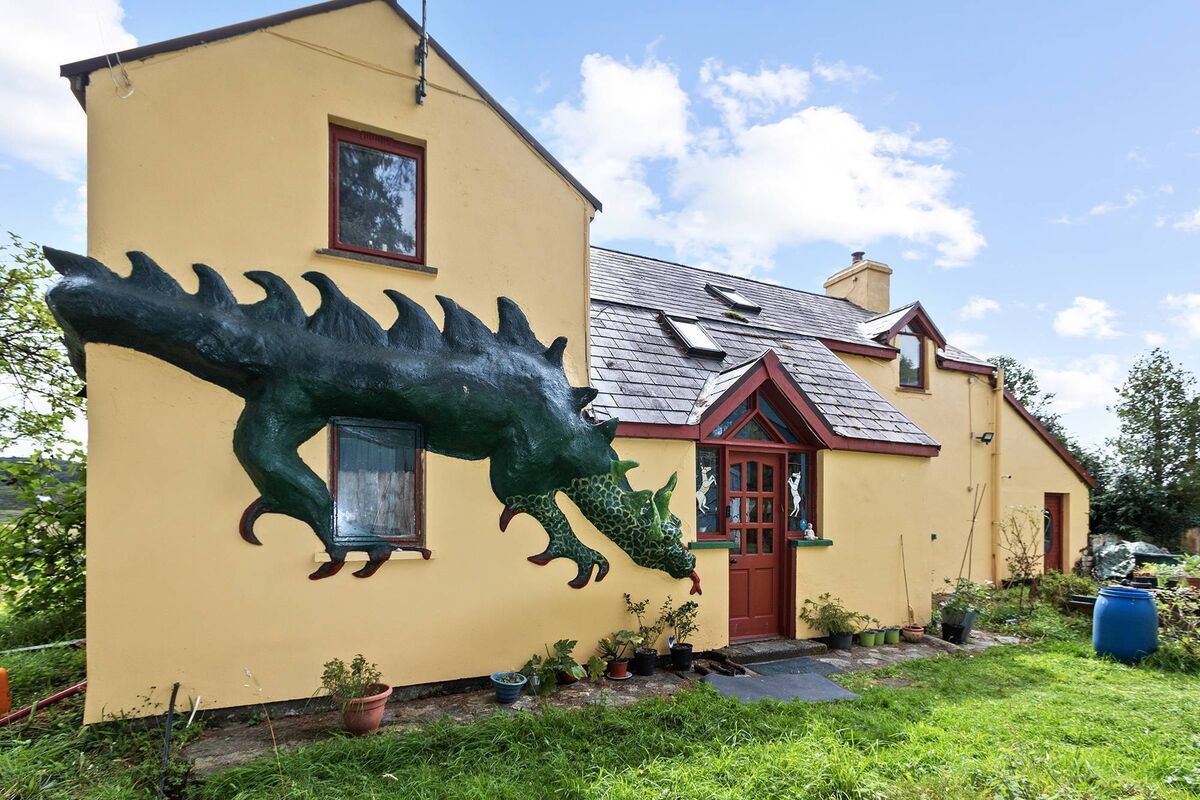
Having checked out remote Munster settings on Europe’s fringes, from Clare to Cork, the old farmhouse they espied in the hills north of the N71 near Bantry and Ballylickey — and what’s now the Wild Atlantic — Way was owned and lived in by a Dutchman “and was everything we wanted”.
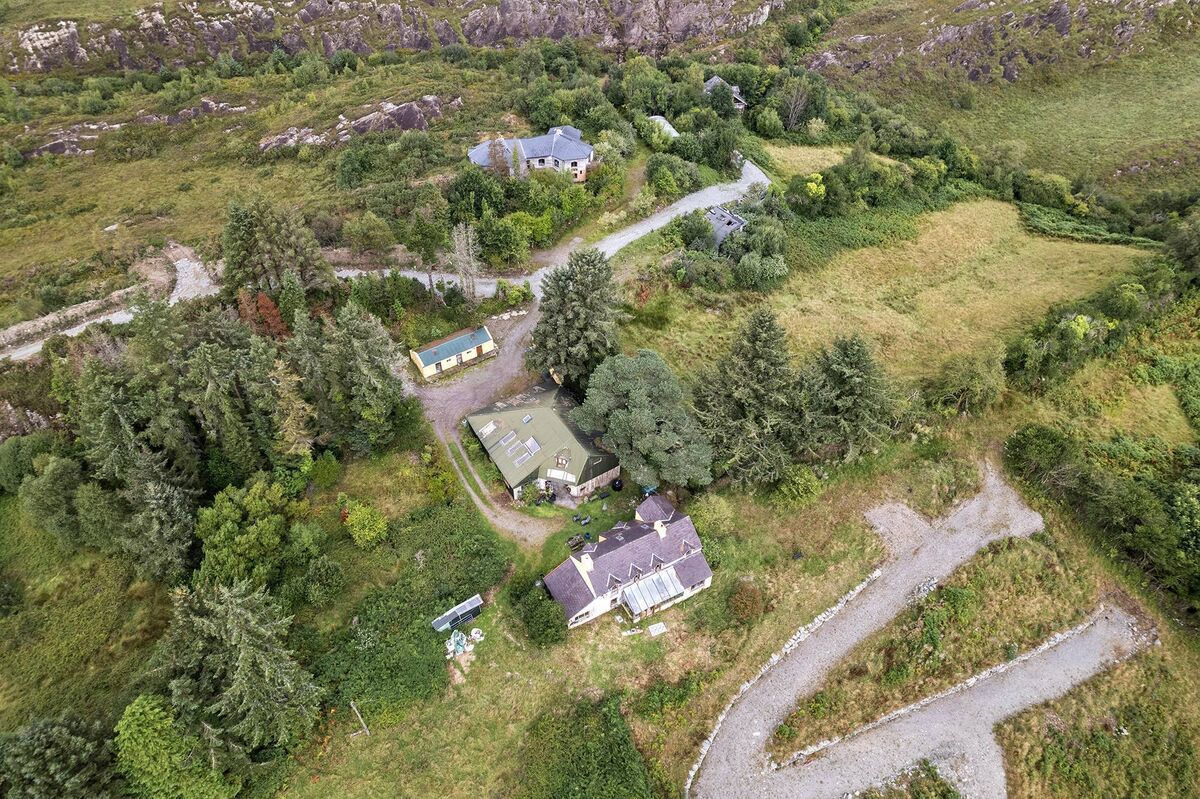
It took a bit of time to negotiate, to buy and to make their own, with a bit of over and back and huffing and puffing, but by 1999 — the year Kevin McCloud’s Grand Designs first aired on Channel Four — the Bantry area remote hillside home ‘in the clouds’ was theirs; reroofed, and made comfortable, with even likes of underfloor heating in place.
Helen and Tony made the lifestyle move over with their two sons, then aged 12 and 14 years, now adults and who’ve moved back to the UK after formative and engaging years here at Derryduff More, with 144 acres of rugged land to call their own.
After the family home was secured, they started on an even more ambitious project, going on to build a series of other houses with a low and no-carbon footprint, so far ahead of the then low-base learning curve on carbon footprint and climate change concerns, capturing carbon in their build so that some of the additional buildings are carbon positive.
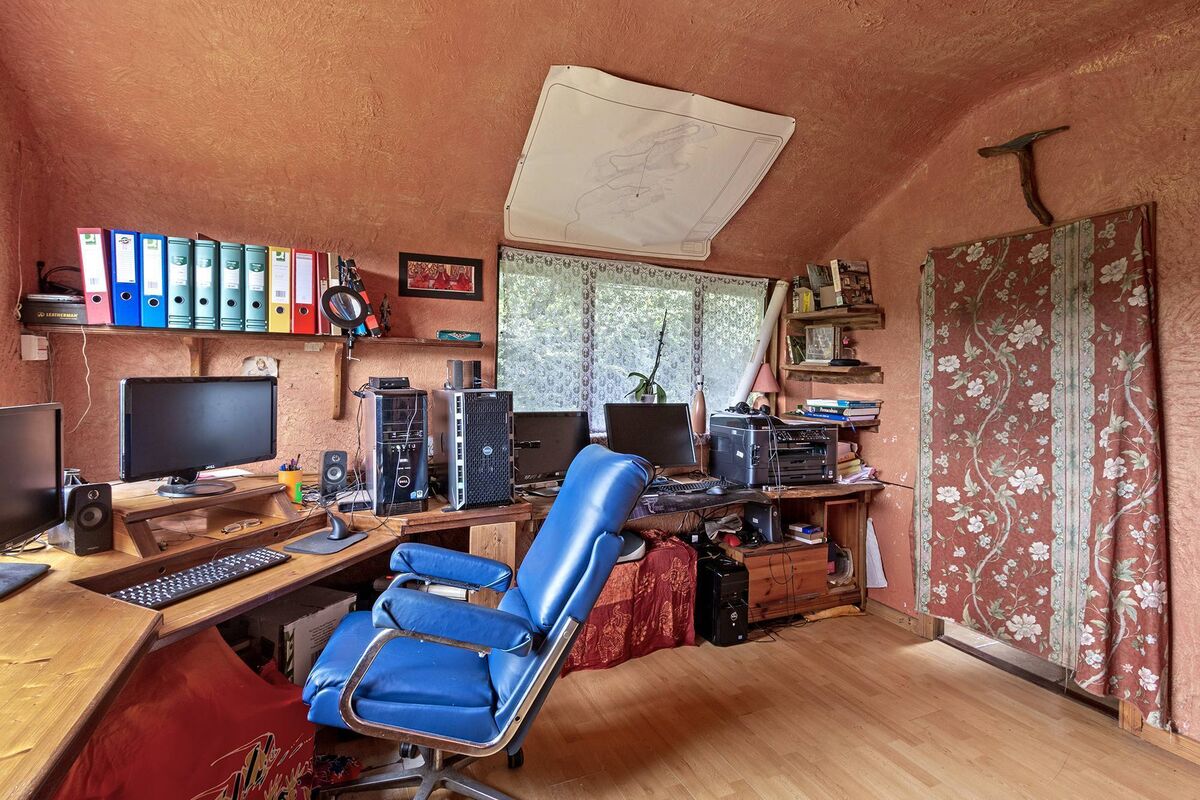
They delivered two linked buildings, winsomely called Honeycomb and Honeypot House as an annex, as well as another one, almost entirely off-grid called Honeysuckle. Initially, they used the services of locally-based eco architect Tony Cohu who has a number of low and no-energy building to his credit around West Cork, from the rustic to the high-end like the Inish Beg estate’s boathouse.
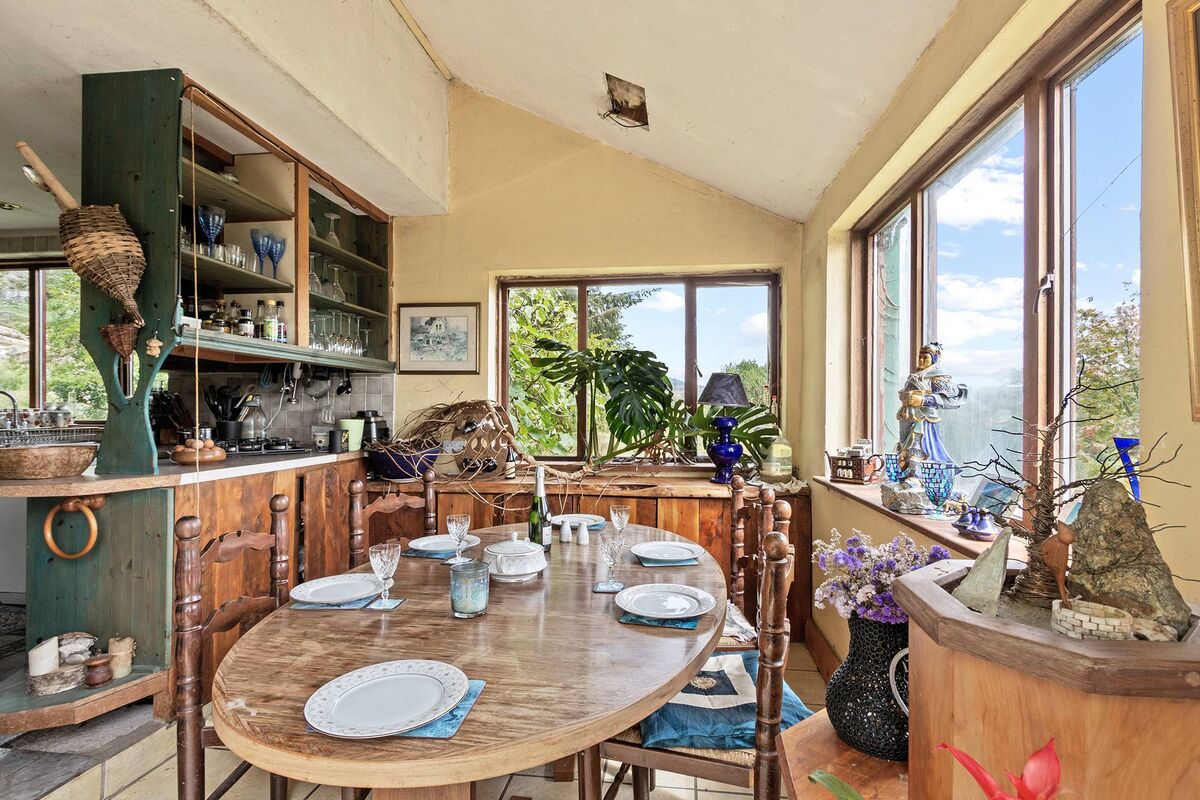
Working later with Ballydehob designer Jeremy Baines, there are now up to 11 bedrooms, and the number came in handy as Tony and Helan accommodated guests and students on residential courses they ran in environmentally-friendly design and construction.
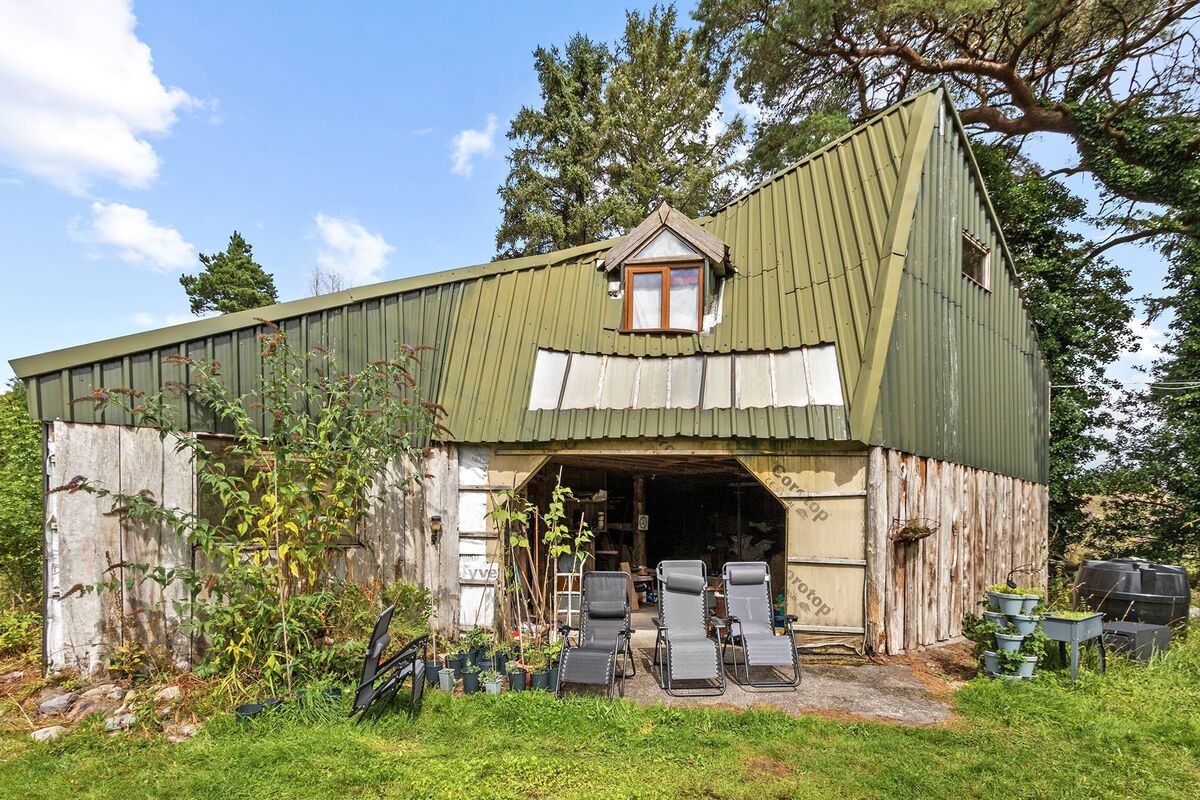
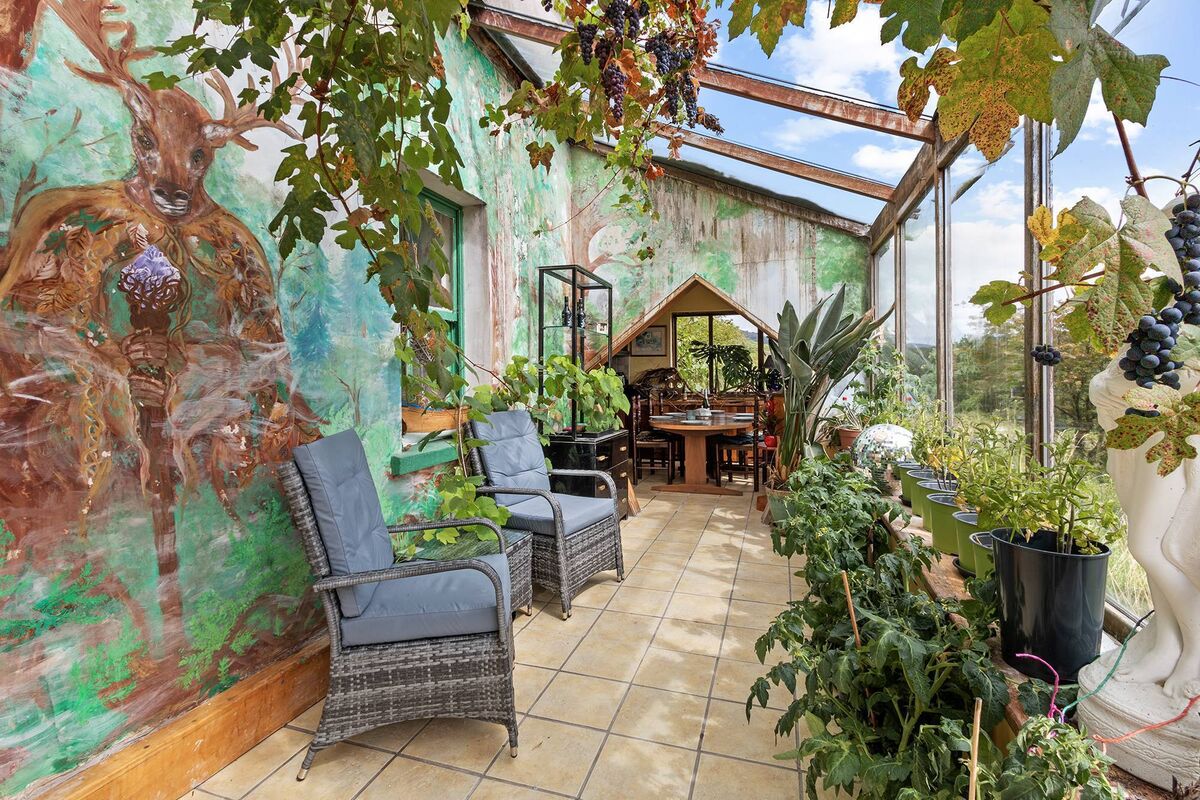
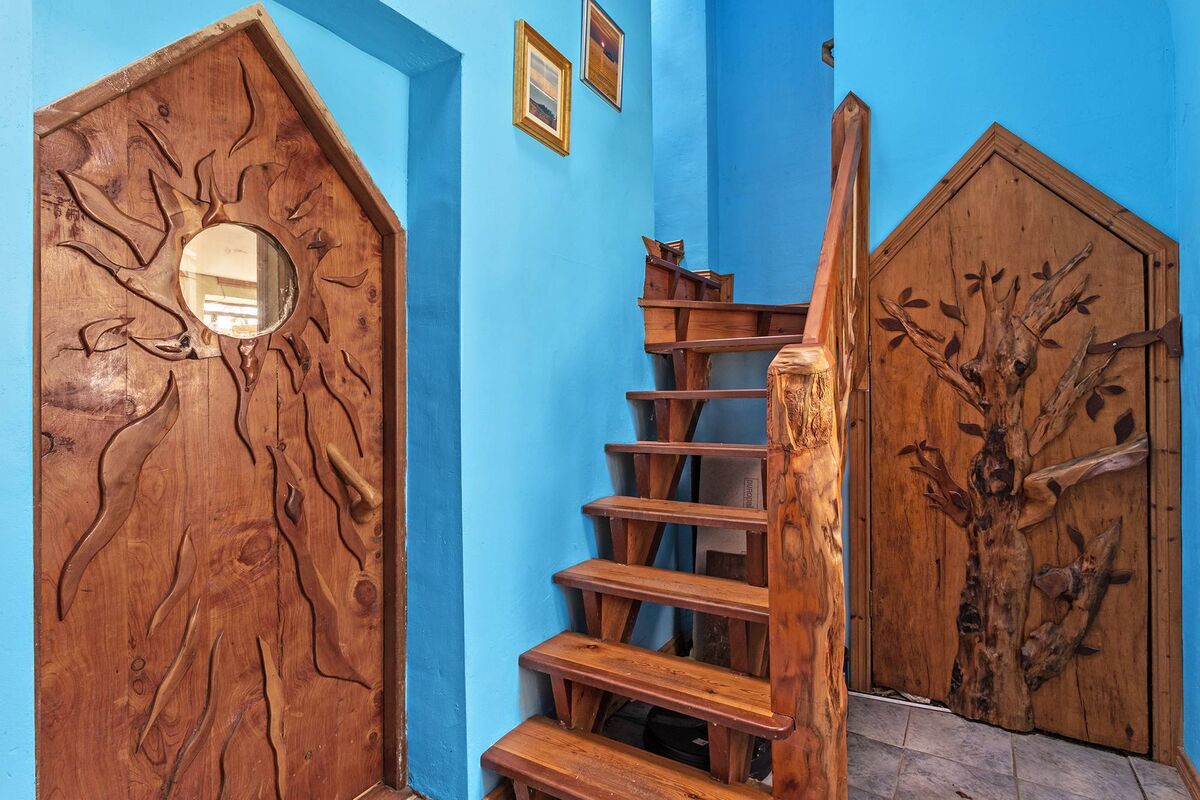
Modestly, Tony reckons their early-adaptation design and build methods (timber framing, ground source geothermal, natural insulation, passive heat gain through orientation using Pilkington K glass, reusing materials, buying entire hardwood trees for milling, etc) inspired a considerable number of self-builds as they had hundreds of keen students visit down the years.
They contributed their labours also in what was true hands-on education, including young families with children who surely embraced a free-range lifestyle whilst in residence, in utterly unspoiled land, many hundreds of feet above sea level, bounded by a river below and with a burly mountain crest above, demarcating the Cork-Kerry border.
They planted many, many thousands of trees but later deregistered from State planting schemes to plough their own furrow: tellingly, a Christmas tree they planted back out in one of their first festive celebrations in West Cork is now a c 40’ tall pine.
It’s all listed with estate agent Ray O’Neill of Sherry FitzGerald who first listed the c 2,400 sq ft Honeycomb House and Honeypot annex on ‘just’ two acres three years ago, totaling five bedrooms for the Gruberts at €375,000.
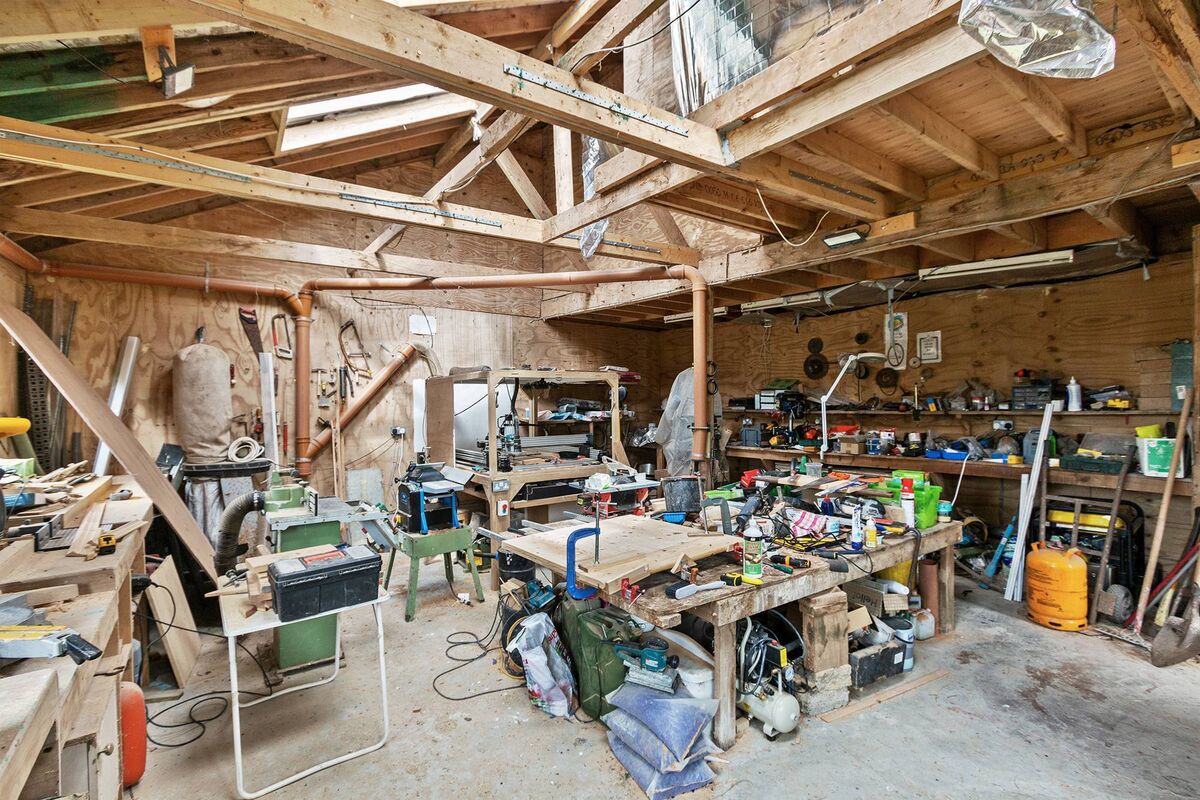
Oh, and the mix also includes Tony’s very large workshed from where much of the joinery for the buildings emerged, set up with saws and lathes, CNC routers, carving equipment, dust extractor and tools galore: there’s even an active wormery, for compost creation.
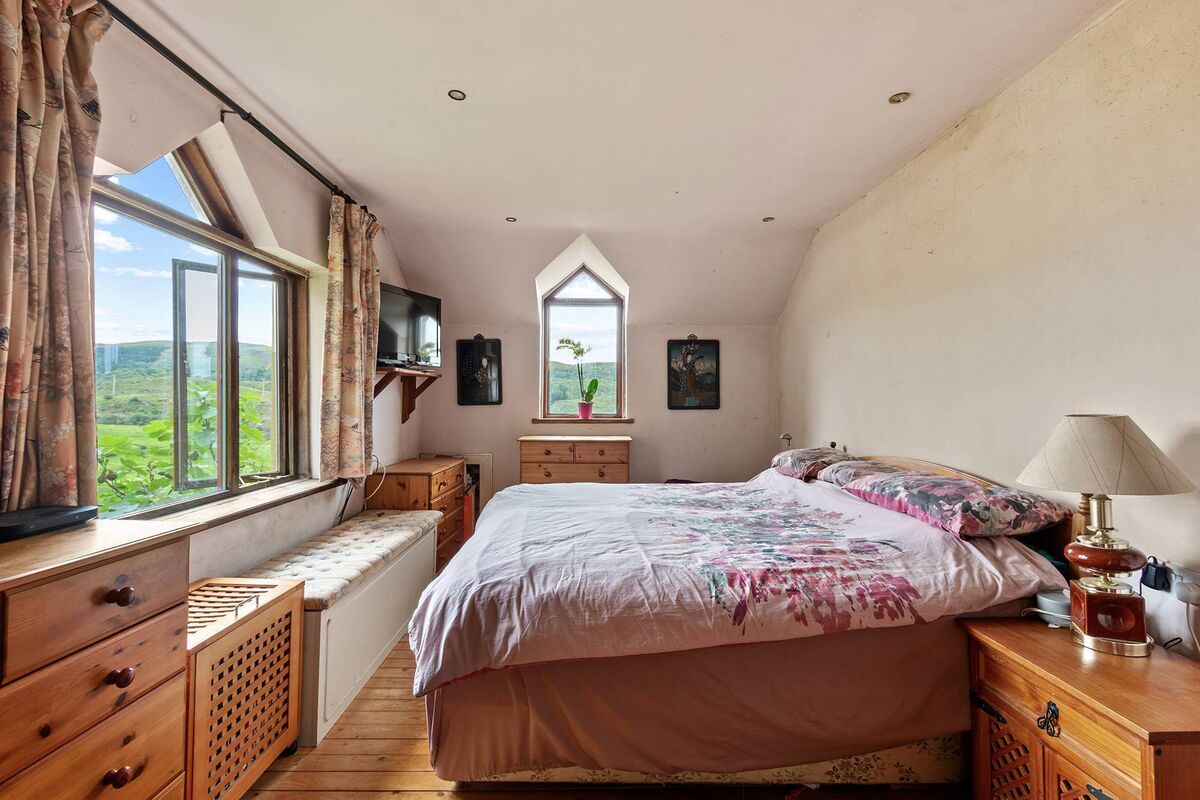
Clearly, there’s a lot of property here for the right buyer, whoever he, she or they are, and as it now needs some TLC to freshen up and replace some timbers and finishes after the ravages of decades of Irish weather, whoever takes over will need some basic skills, commitment and energy … so the workshop will come in handy.
CONNECT WITH US TODAY



Be the first to know the latest news and updates