Blarney district's Ballygibbon House has deep local roots,  and a bright future
Ballygibbon House may be almost 250 years old but its comforts and a B3 BER now belie its age, writes Tommy Barker
Blarney district's Ballygibbon House has deep local roots,  and a bright future

Ballygibbon House Blarney

Ballygibbon, Blarney, Cork

€795,000

Size

163 sq m (1,760 sq ft)-

Bedrooms

3

Bathrooms

3

BER

B3

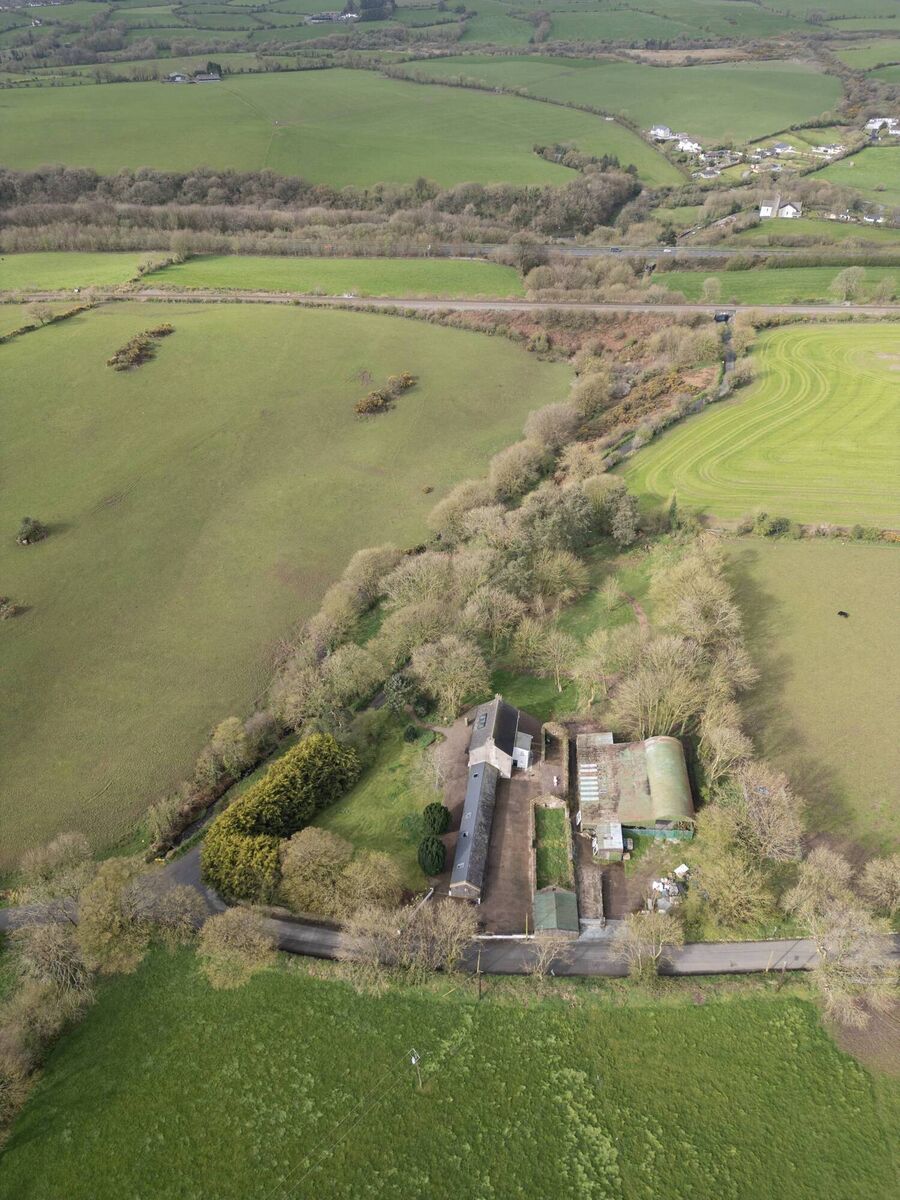
NOT only are you buying history at Blarney’s Ballygibbon House, this rare residential market offer also holds the comfort factor of a fully restored period home, extensive rescued old stone buildings, a farm barn, over five acres of land, mature hardwoods, river/stream access safely beneath and a whole lot more … all on the edge of Cork city.

Set just on the county Cork side of the now-extended boundary with Cork city, Ballygibbon House dates to the 1700s, is steeped in local lore and land-owners’ history, is within a hop, skip, and jump of Waterloo and a looped amenity walk which allows occupants here to stroll to Blarney, or drive to the city in minutes, past Blarney Business Park.

And, if you can stretch to buying it, you’ll only be the fourth owners in, oh, about two centuries.

Its appeal and rarity is only added to by the fact that it’s an utterly manageable proposition as there’s a sweet mix of land (sort of in three sections), plus buildings coming with it for a country ‘lite’ lifestyle... without feeling you have to go all farmer and land-owner with it: you are only buying what you can enjoy, and then some.

Ballygibbon House’s history is traced back to the 1700s when built as a modest-sized farm house by the Putland family who owned thousands of acres around Blarney, Dripsey, Waterloo, and even wider afield.

Ballygibbon House, barn and buildings  is near Blarney and Waterloo, a few miles from Cork city - and has the city/county divide on its doorstep

They leased it in 1830 to the Cremin family, and decades later it sold on to a local farm family the Moores, around the 1890s, in whose hands it remained for another c 125 years.
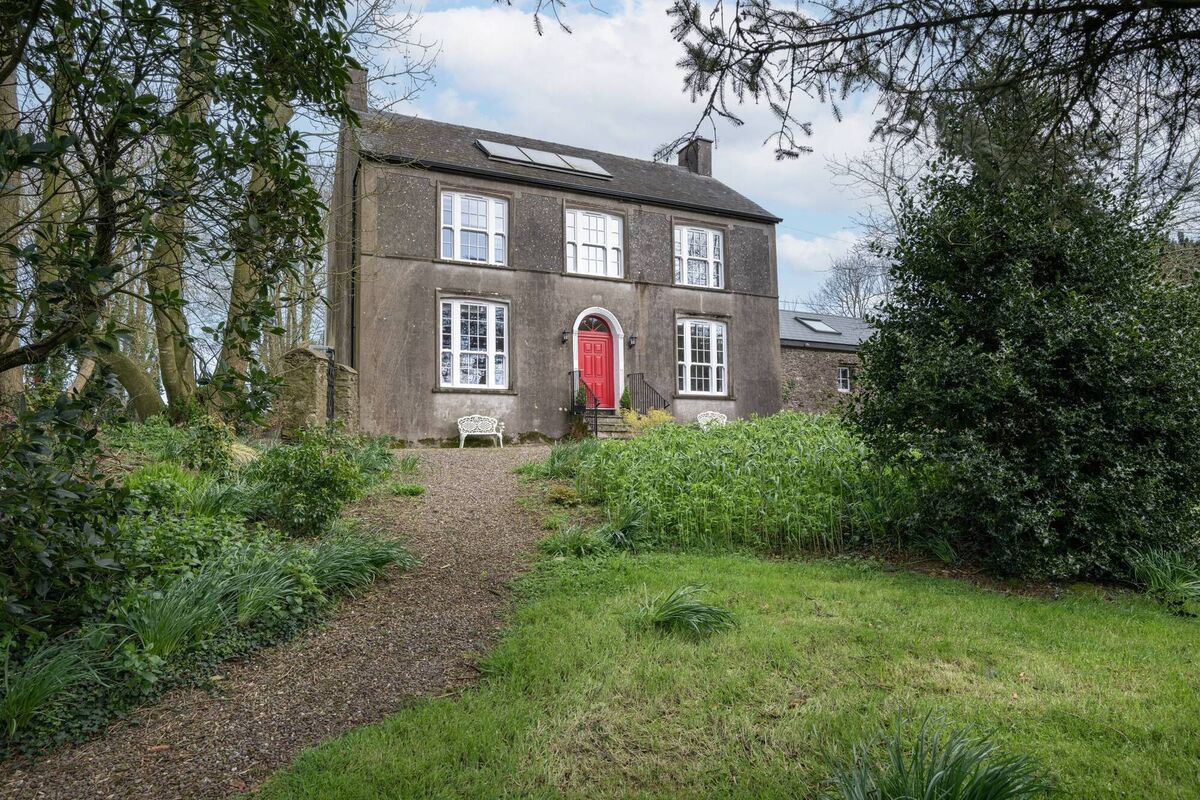
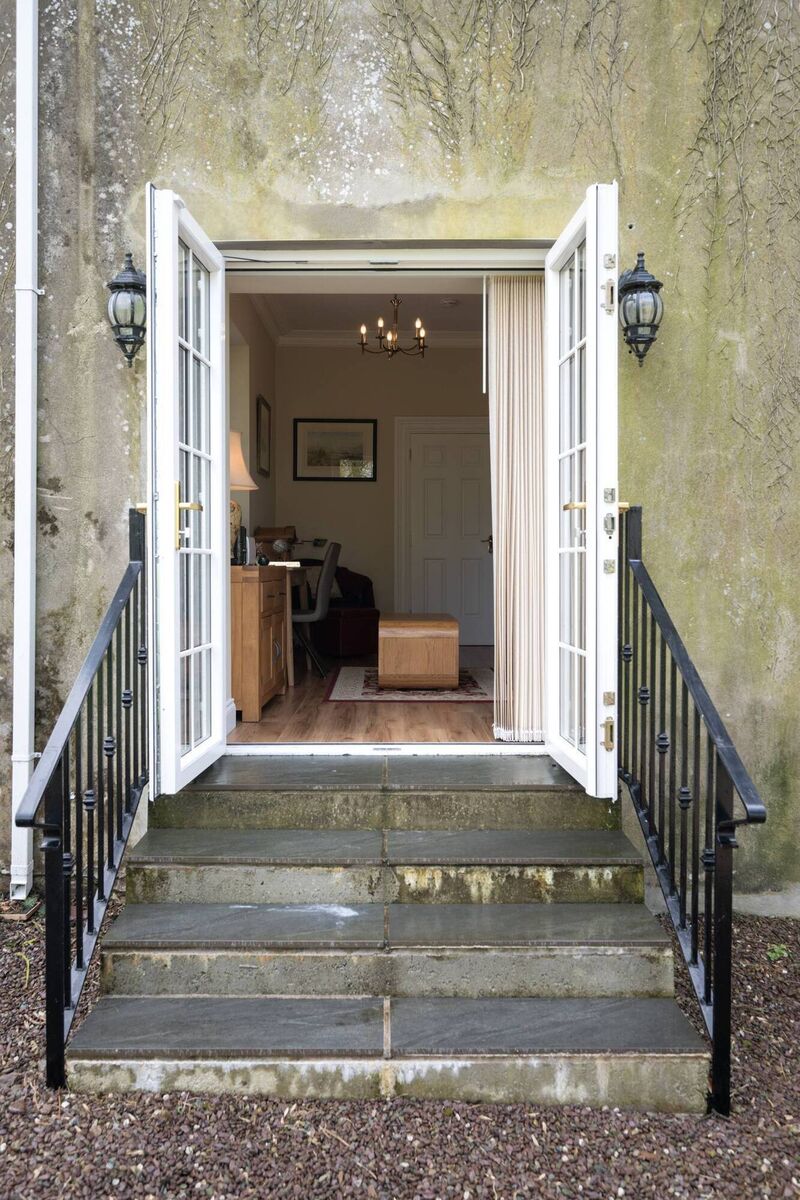
Exterior with replacement tripartite or 'Wyatt-style' windows

It then got sold, off-market, in 2021 to its current owners, likely as part of an executor sale. It came as a renovation challenge of both the house and the very old stone outhouses fringing sheltered courtyard, with the bulk of the Moores’ farm sold separately to another farm family in the locale.
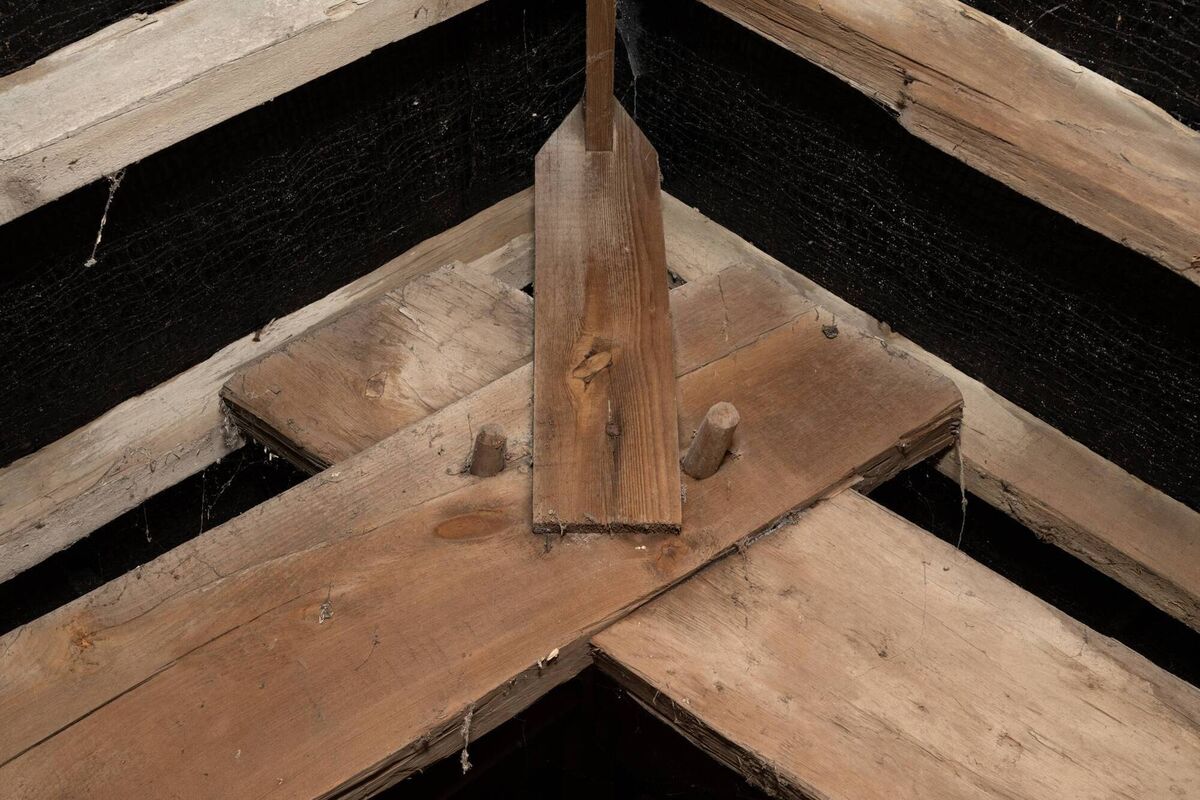
A roof feature indicative of its heritage

This home must have seen some changes in its long lifetime, and its evolution isn’t over yet, as the city’s reach incrementally extends in this direction for the decades ahead.

First, the Cork to Mallow-Dublin rail line came along in the 1840s, in Famine era times, and around the same time the unusual milk-churn shaped round tower bell tower was built at Waterloo, within a bell peal distance from Ballygibbon by Blarney PP Fr Matt Hogan, with the date 1843 incised on its structure, on Putland donated land.
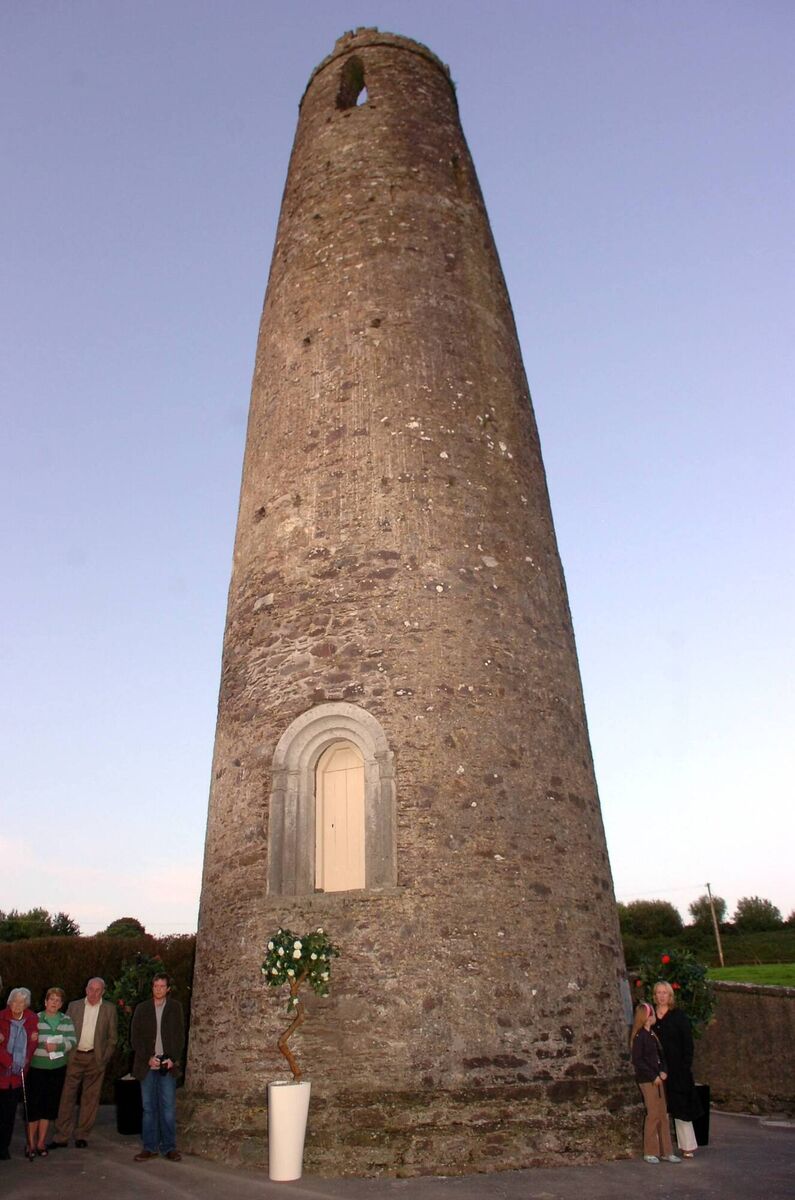
Waterloo round tower - or 'Fr Matt's butterchurn'

Then, in the latter years of the 20th century, the ‘new’ N20 Mallow Road came along to get rid of the then lethal ‘old Mallow Road’, more or less parallel to the rail line.

Both road and rail are handily out of sight of Ballygibbon House, which can also be accessed off the old Mallow Road, but the main route now is via a 19th century small bridge under the rail line off the N20.
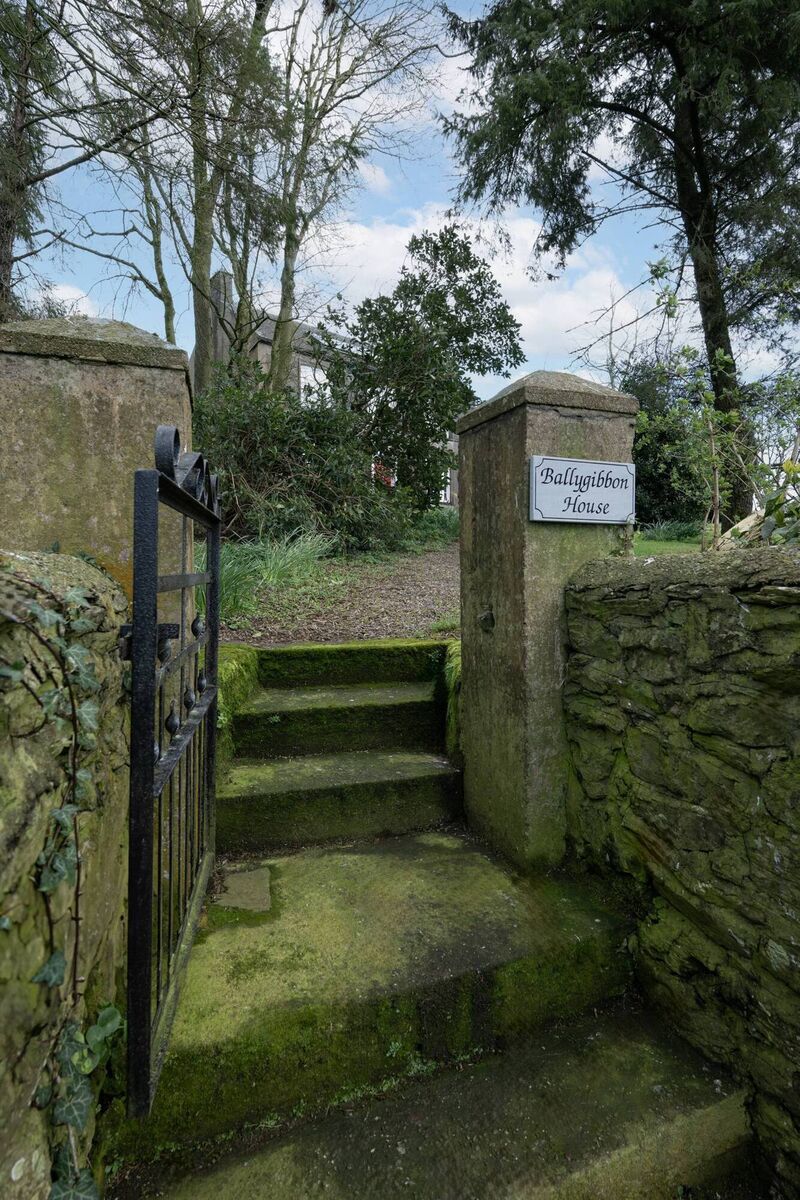
Pedestrian access by the looped walk to Ballygibbon House

There’s another (pedestrian) route too: under the road!

When the N20 was being created decades ago, it meant the Moore family’s farm holding was being divided.
The Council allowed an underpass for his cattle: however, today, cows have been usurped, with the N22 underpass now forming part of a three-mile looped walk cris-crossing several townlands, called the Ardamane Walk, including Ballygibbon and along sections of the River Martin.

There’s even more history too, with some of its 5.3 acres total coming with Ballygibbon House called ‘the Inch’ (c two acres), across a country road by a stream, while there’s another two-thirds of an acre right by Putland’s Bridge in the heart of Waterloo. Planning permission for a house looking up at the church, grounds, and round tower there is unlikely, but a fishing cabin/camping retreat could be lovely?
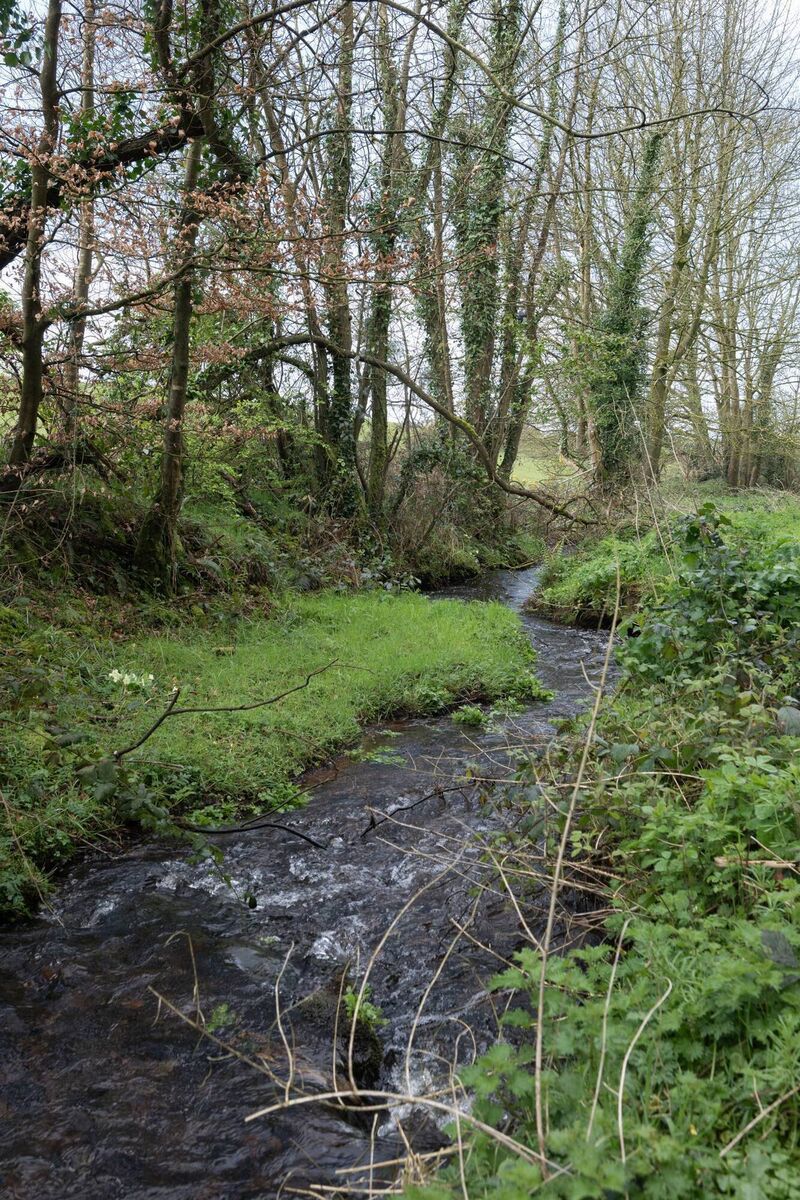
Stream on the land, but safely out of harm's way

Ballygibbon House’s unusual wide tripartite windows look across to a hill to the south, down over a stream tribute to the River Martin and the facing hill holds ancient fulacht fia or burned mounds, dating to the centuries BC and the neolithic period.
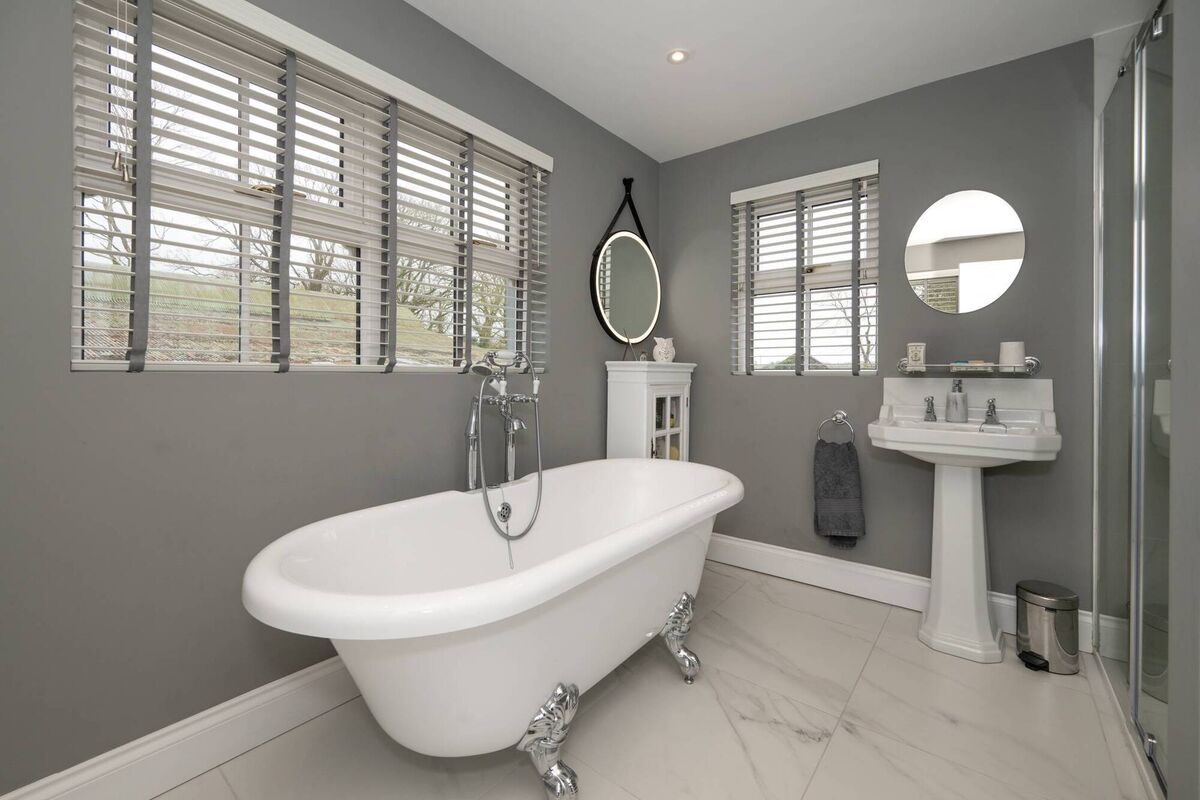
Suite work
Suite work

These archaeological and heritage remnants show that the likes of Ballygibbon House, Blarney and its famed castle, the Putland’s estate and more back into a historical context of millennia: all are just ‘passing through’. Ballygibbon’s owners didn’t expect to be passing through quite so quickly, either, though, having bought here only four years ago and taking it on as a challenge for the longer-term.

That intention is obvious for the spending they did and the jobs they tackled and how they did them.

This was no quick makeover for sure, even though it was done in ‘jig-time,’ and done in and out of covid-19 lockdowns, when the builder — the highly regarded Paul Shine — was able to drive at the work almost unimpeded as it was almost on his doorstep and he and his crew couldn’t work on other projects further afield/outside lockdown area restrictions.

The c 250-year-old house now has been upgraded to a B3 BER, with new boiler, set up for solar panels, has new floors, new double glazed tripartite or ‘Wyatt style’ sash windows from Munster Joinery, new plumbing and quality sanitary ware with top bathrooms.
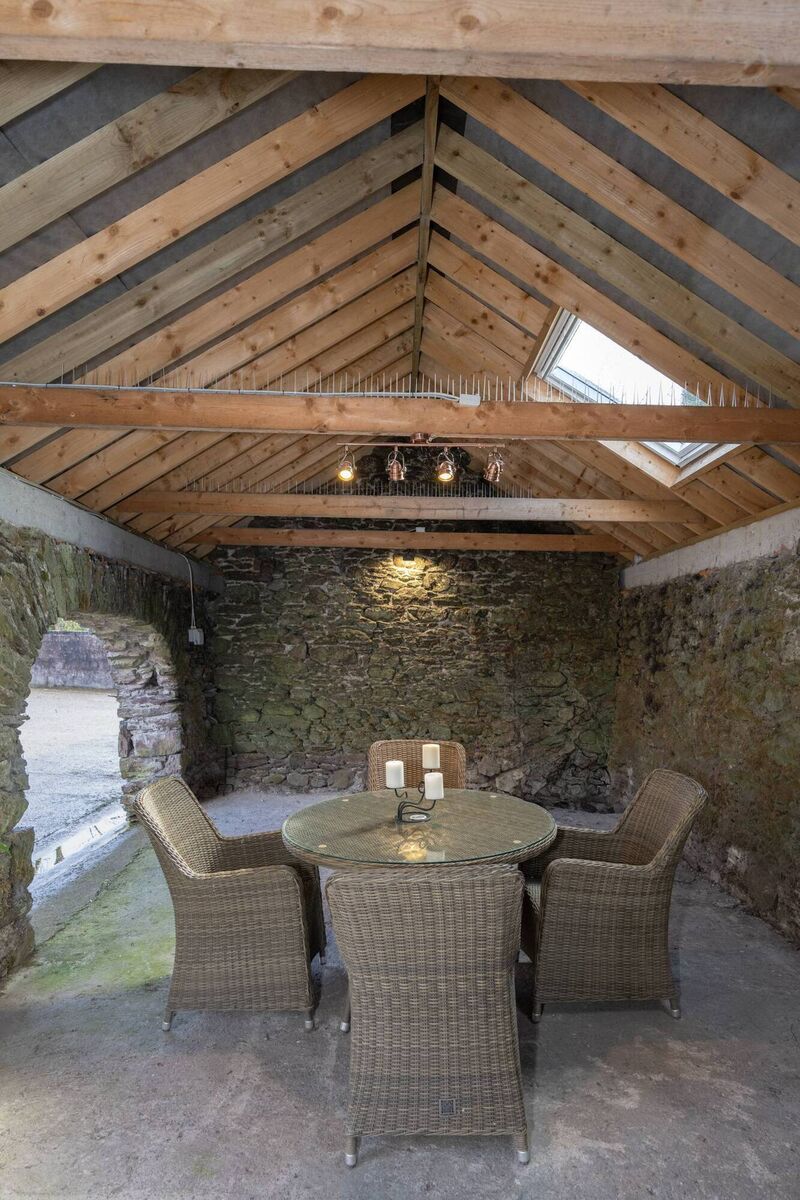
Sheds have been saved

Electrics are all new, there’s insulation (50mm on the walls internally) a new, reinstated cut string stairs and return flight with tapered Georgian spindles and hardwood rails done by locals, Cotter Joinery, with jute-trimmed runner carpets held with shining brass stair rods, water pump and purifiers, new kitchen, reinstated plasterwork on 10’ high ceilings (over 9’ upstairs), pretty much the works, in fact.

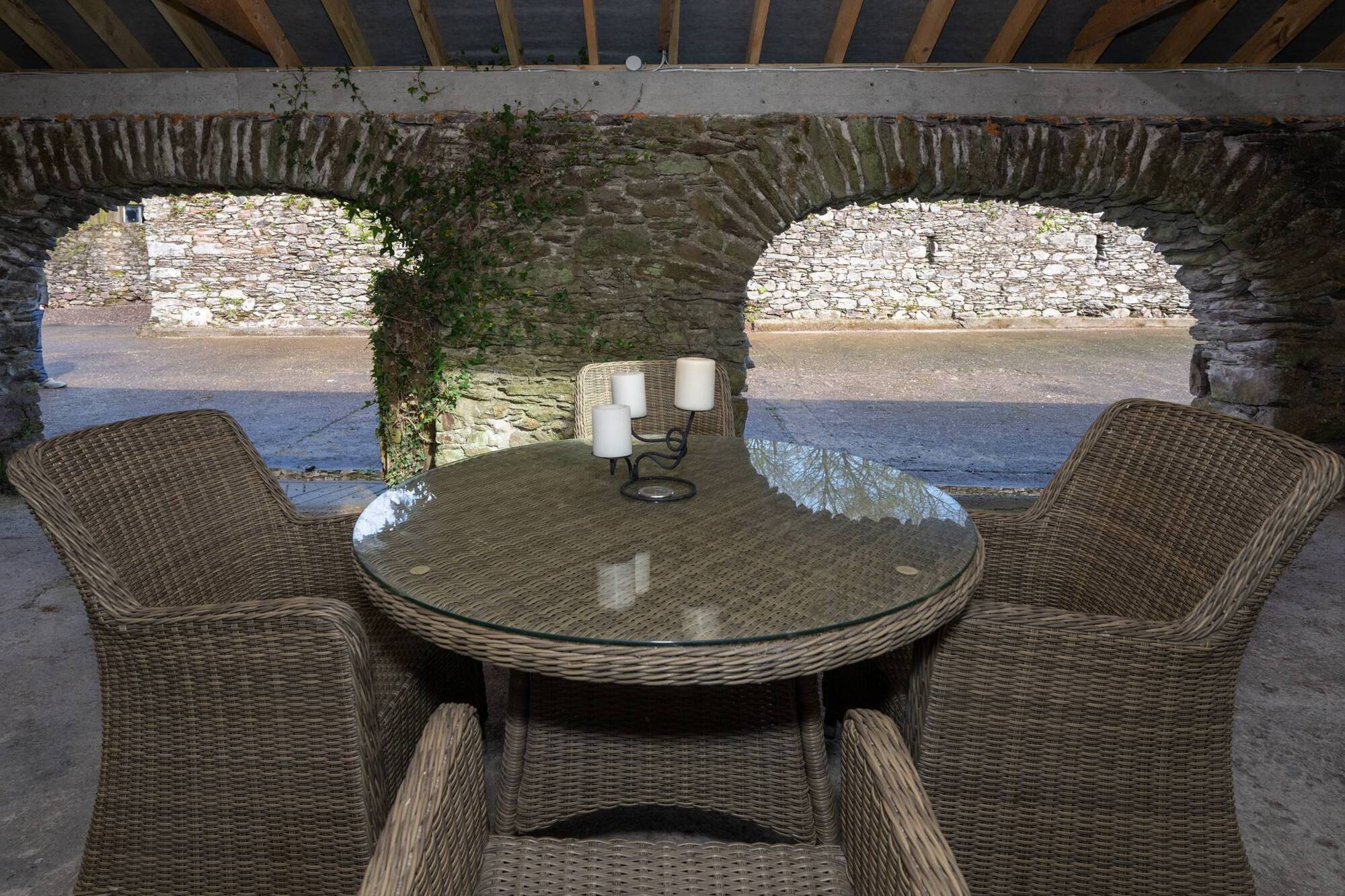
Next to the house, a long run of beautiful outhouses and stables, three with wide arches for low carriages or pony traps, have been secured for centuries ahead, having been in a parlous state, largely unroofed, overgrown and which were coming close to the point of collapse as recently as four years back (the ‘before’ photos the owner have are some contrast to the ‘afters,’ seen here.

These sheds now have a securing concrete ring beam, new roofs (some sections are in old slate, others in new slate) and are set up for storage, work rooms and all-weather dining by the courtyard, with further, even-larger stone building walls and gables facing, ready for next owner to take in hand if they so wish and with huge additional promise.

Out of sight at the rear is a steel, curved roof barn in a tidy haggard with its own access, which stayed with house, and wasn’t sold with the balance of the farm when that landbank was passed on.

The owners today have that yard and barn leased out right now for a handy bit of income, but the next occupiers can do with it what they wish, from home or horticultural enterprise, other growing project, DIY or workshop uses, boat, camper or caravan storage, or animal shelter.

Ballygibbon House features on the national inventory of architectural heritage or NHBS, which notes it appears to have been extended over two levels to the back likely around 1920, when it also had other alterations to its render and possibly when the wide tripartite windows were put in, very recently replaced in pvc with quite slender profiles to match the timber originals.

Today, the three-bay house weighs in at a quite modest and manageable c 1,750 sq ft, with reception rooms left and right of the arched front door, with period fireplaces reinstated after the inappropriate 1970s replacements were taken back out.

One’s a stunner in white Italian Carrera marble, with wood-burning stove fitted. The other is a pristine, ornate restored 19th century one in the kitchen/dining room on the far end, also home to a stove and new brick insert, sourced from specialists Ryan and Smith.

The entire house is finished and decorated to the nth degree by a couple who have worked on older era houses and homes in the past, in city and county.

The 60-somethings featured in these pages some year back after their downsize move to a high-end apartment showed them they were too young to retire, so off they went again (they’ve eight houses to their credit so far). Now grandparents, they hope to sell to be nearer grandchildren near the sea, might even downsize for good, but admit their next step is, in a sense, in the lap of the gods.

They are selling via agent Norma Healy of Sherry FitzGerald, who guides the pristine Ballygibbon House, with its barn buildings and scattered land parcels with promise (or planting and ‘rewilding’ prospects) at €795,000.
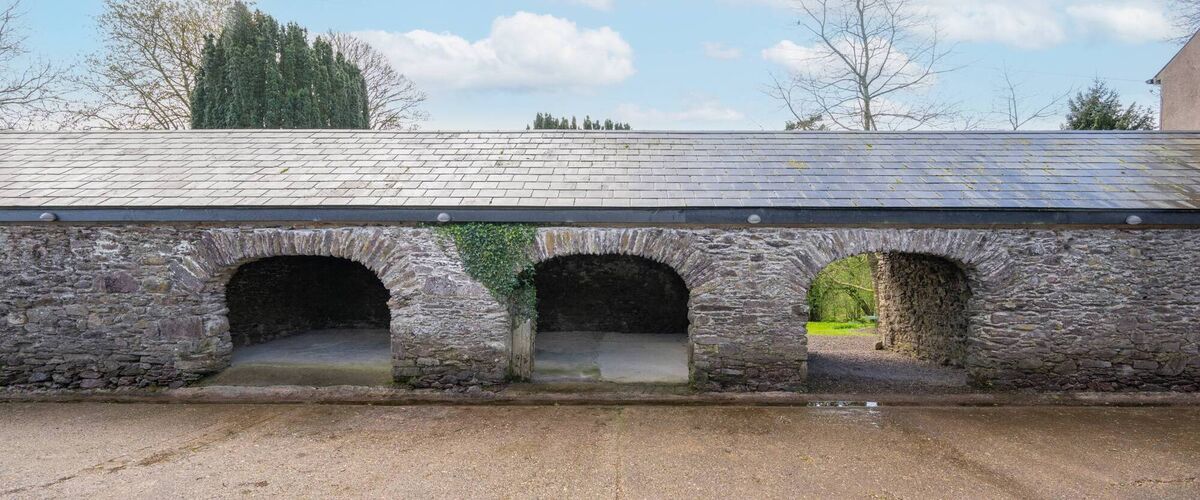
Arched delights
Arched delights

Given the paucity of period homes in walk-in order with grounds in the greater city area she can expect good interest, and inquiries from the likes of those with good jobs at Apple, Blarney, and the city fringes and indeed wider Munster catchment.

But, it’s likely she is tempering the price guide to the fact that Ballygibbon House is currently ‘just’ a three-bed, after the owners reduced the upstairs from four beds to three to create a very large private bathroom with extensive ‘robes’. However reintroducing a fourth bedroom is an possibility with several options: colonise the superb Wyatt window space with stream and garden views on the large landing? Go up into to the attic, where the trusses speak of this home’s long history with timber dowel pins?

Extend further out the back, beside the 1920s two-storey section?

Or, go all Grand Designs and go out to one or two of the existing stone outbuildings, and give them a taste of 21st century architecture?

Time will tell, as it has done so here in spades already.

VERDICT: All the heavy lifting has been done

More in this section

Revoiced

Newsletter

Sign up to the best reads of the week from irishexaminer.com selected just for you.

Cookie Policy Privacy Policy Brand Safety FAQ Help Contact Us Terms and Conditions

© Examiner Echo Group Limited