US buyers expected for €450k 16th century Ballintotis Castle
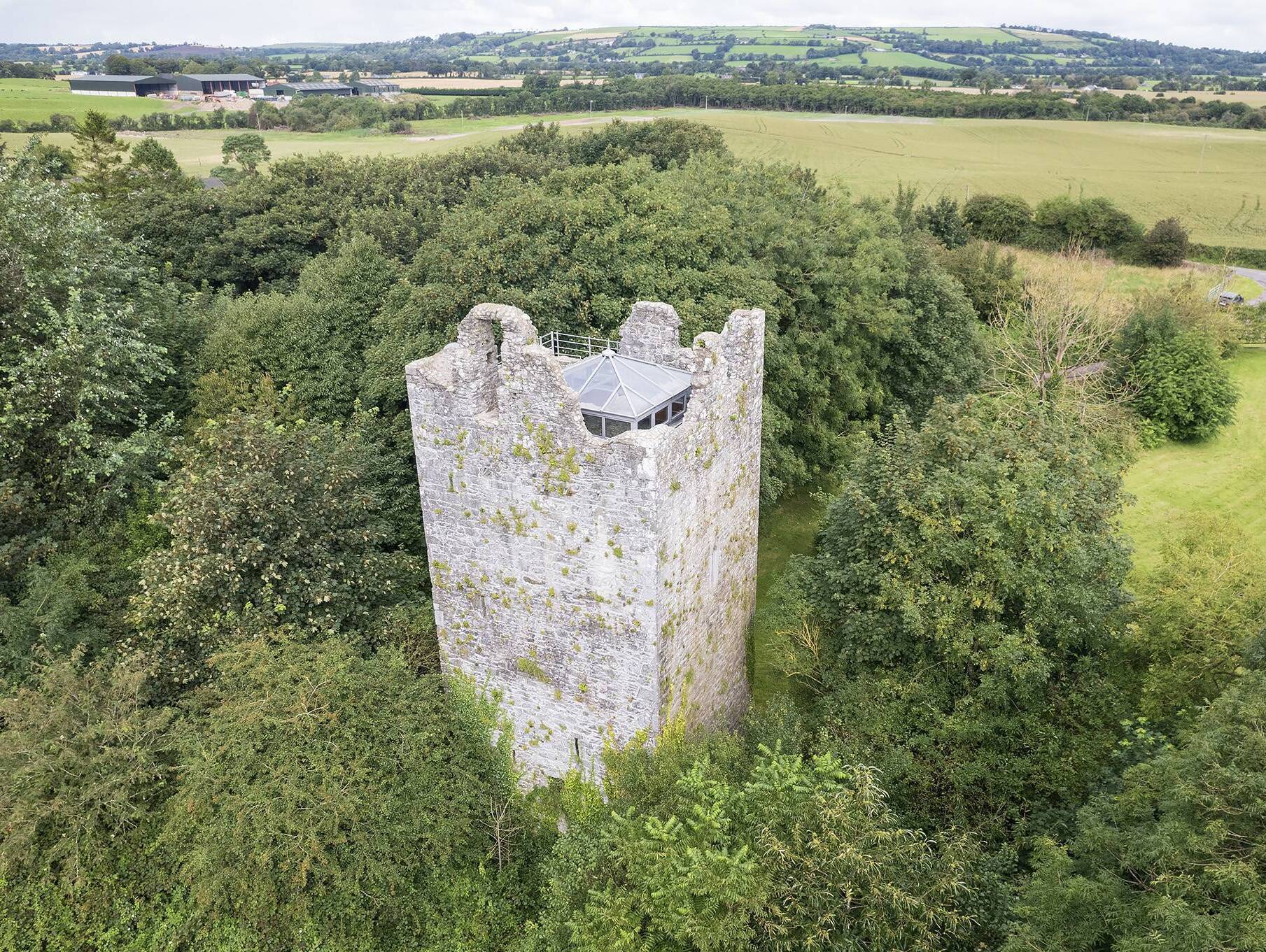
Hit the heady heights in this historical and livable 16th century East Cork Irish tower house
US buyers expected for €450k 16th century Ballintotis Castle

Ballintotis Castle is near Castlemartyr east of Cork city, Agents James Colbert and Helen Cassidy guide the residential tower at €450k

Ballintotis, Castlmartyr, East Cork

€450,000

Size

15 metres high

Bedrooms

1/2

Bathrooms

1

BER

N/A

THE history of many an Irish castle is associated with various comings and goings over the seas, surrounding oceans and marine channels — they were built by native and by ‘new’ Irish as much as by blow-ins from abroad, and were used too to protect locals from looting and murderous, marauding arrivals from overseas.
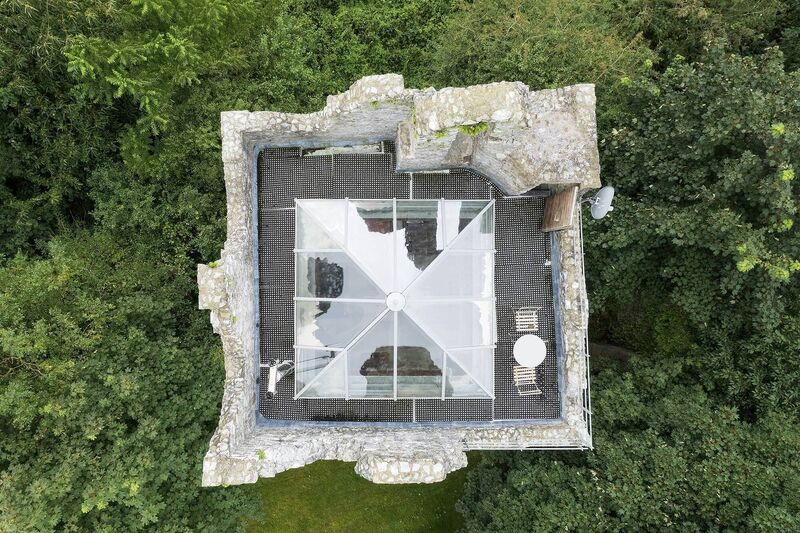
Bird's eye view of Ballintotis Castle and its pyramid-shaped glass roof

Redolent of the days of attack and conquest is east Cork’s Ballintotis Castle, a quite compact late medieval Irish tower house with a pyramid glass weatherproof roof, being sold, ironically, by its appreciative UK-based farmer owner because he misses the boats.

More specifically, castle owner Frances Dineley is selling his beloved Ballintotis Castle near Castlmartyr and Ladysbridge east of Cork City because he misses the convenience of the Swansea-Cork ferry services, which ran in fits and starts in various iterations over the decades and which had its last Fastnet Line service cease in 2012, with loss of almost 80 jobs, and historic links over the Irish Sea.
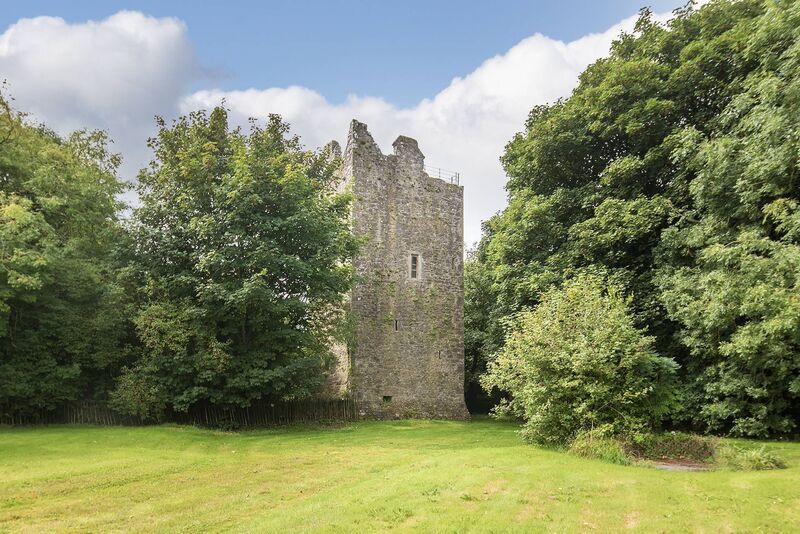
Outstanding in its (half acre) field

“It put the kybosh on it for me, the trouble was the perfectly good ferry service which I used stopped, and when that died I didn’t get to visit as much,” says Mr Dineley, an 81-year-old Wiltshire sheep farmer fascinated by Irish history, who married an Irish woman, Elizabeth Fitzgerald: they eventually found the Anglesea link and navigating Dublin too much trouble for their annual holidays at Ballintotis.
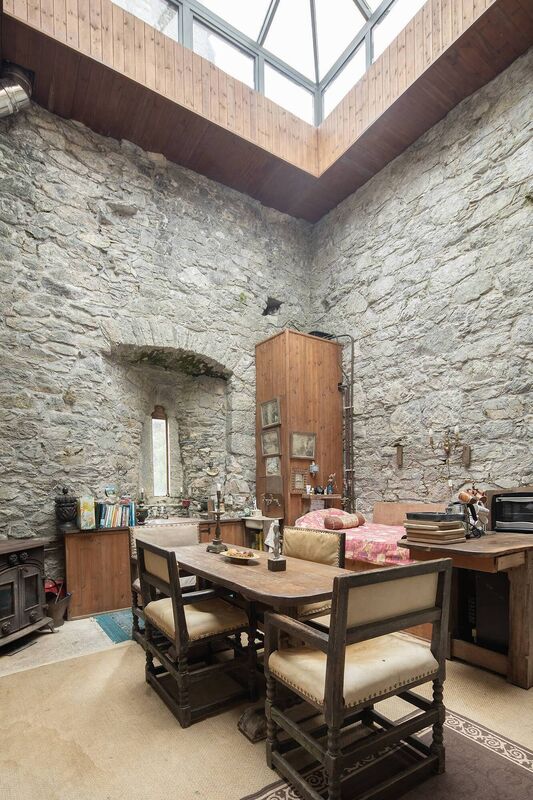
Lofty top floor
Lofty top floor

Francis says he is selling “in sorrow” and will really miss it and wonderful neighbours there in the rich farmland overseen from Ballinitotis’s roof-top walkway, but admits his wife Elizabeth wasn’t necessarily as thrilled as he was with his purchase of a slice of the old sod back in the 2000s.

“No, she wasn’t wild about about it! She might have preferred somewhere sunnier,” he concedes and says his son also married an Irish woman, but has a house in distant Mayo, hence the family decision now to sell. His own home in Wiltshire is “a comfortable, old farmhouse built by grandparents”, and his own ties to the land there include 2,000 ewes.

Mr Dineley hopes its next owners will have wonderful times in it, and predicts “it’s good for another 500 years, it has centuries left in it. When you build with Cork limestone and four-foot thick walls, it’s not going to fall down.”
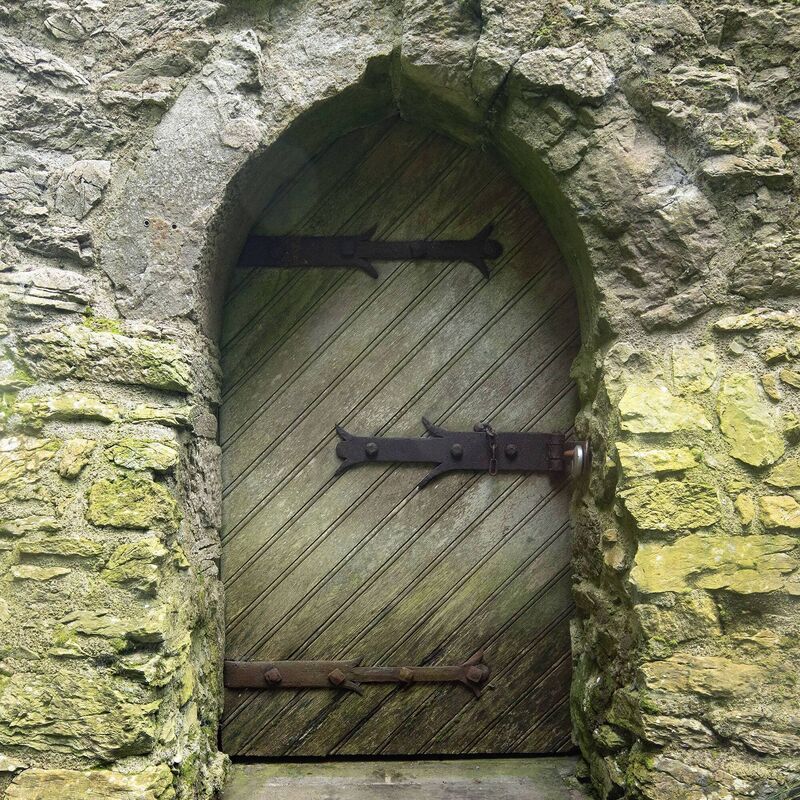
Thick walls and stout door

Francis says he can’t take the credit for the restoration and conservation work done on the modestly-sized tower house, as he says it was done by a previous owner, a Cork architect.

He doesn’t recall his name now, but it may have been Peter Inston who also owned Belvelly Castle on Cork’s Great Island near Cobh for a short period (since famouslyrestored to glorious heights at areputed cost of €7m) as well as working on Castlehyde on the River Blackwater with Michael Flatley.
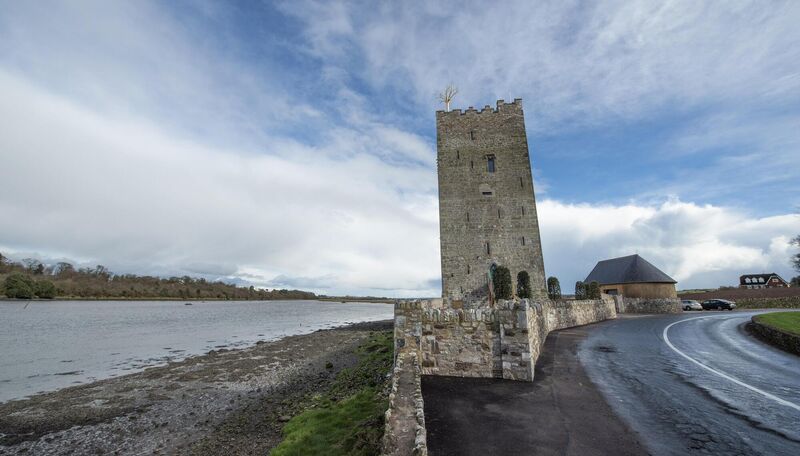
The stunning the 13th century Belvelly Castle overlooking the Belvelly Channel at the entrance to the Great Island in East Cork. Picture Dan Linehan

Selling agents for Ballintotis are James Colbert and John Hornibrook, based nearby in Midleton, acting jointly with castle specialist Helen Cassidy in Galway, and who price it at €450,000, saying they expect both local and overseas interest, with US inquiries highly anticipated.

Estimated to date to the 16th century, it’s now on half an acre, two miles west of the Castlemartyr Estate (now a five-star hotel with a Michelin-star eatery) and may have been constructed by the Imokilly Fitzgeralds, later passed onto the Boyle family branch, whose main house was at the Castlemartyr estate and thus may have been an outer defence of that estate.
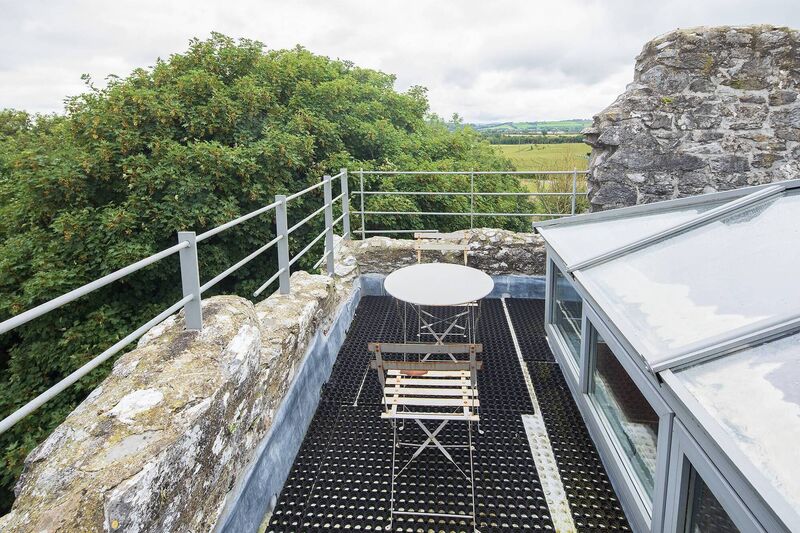
Rooftop dining?
Rooftop dining?

It has been let on Airbnb in the past number of years, at c €120 a night and has many former guest admirers in online reviews.

About 15 metres in height, and topped with gap-toothed battlements, it has plan dimensions of 6.5 metres EW and 6.2 metres NS, and a base batter rising 1.5 metres from the ground level, with internal accommodation over three levels/three main chambers.

It has 55 steps, with a mix of spiral and straight mural and inter-mural stairwells and some ancilliary intramural rooms: one such now houses a WC.
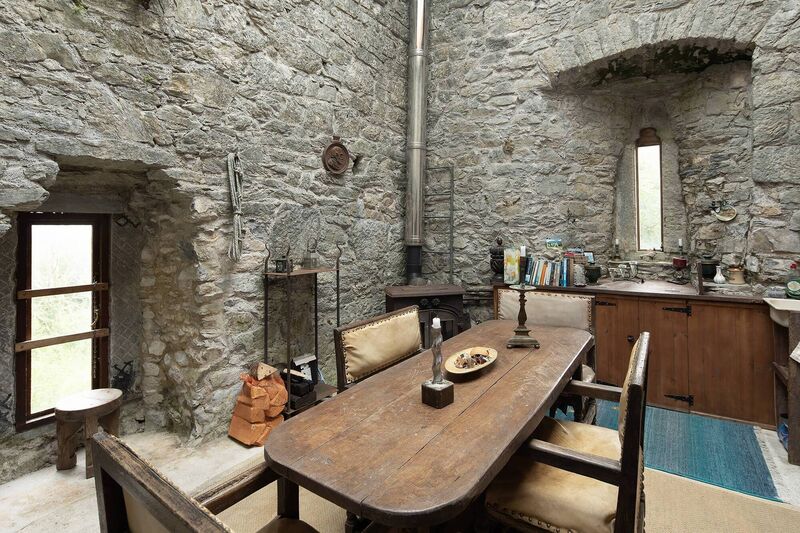
Work done included repointing the walls, installation of a pyramid glass and leaded roof inside the parapets, window repair with bronze encasement/slim frame profile glazing, an oak floor and stout entrance door, plumbing (plus septic tank) and electrics, and a wood-burning stove.
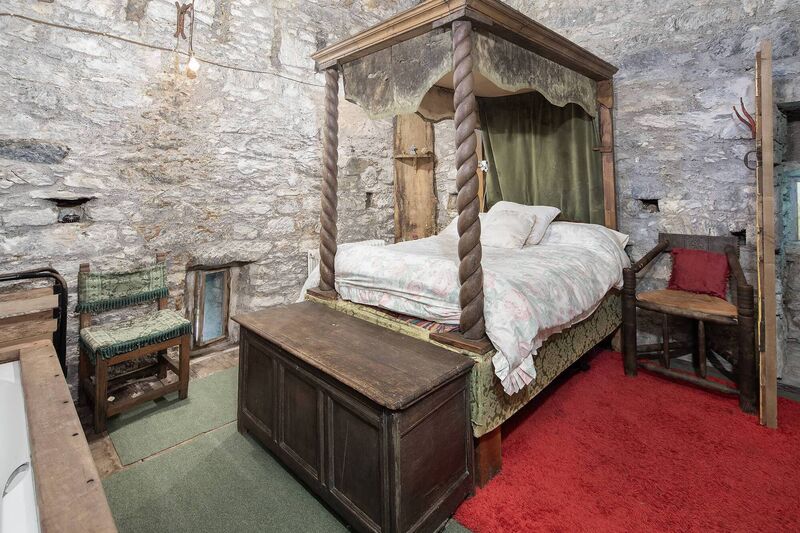
Four poster bed fits the picture

The tower house/castle has a small entry level, first floor bedroom with four poster bed and a deep bath plus WC nearby, while the next floor up is an airier room, with kitchenette, slab bed, and views up to the skies through glass roof. Then, a final flight of stairs leads up the to battlements with a metal railing in place at the lowest corner section and has country views over tillage fields in all directions.

The location is within a half a mile or so of Loughaderra lake, with woodland and looped local walks and a community vibe and services at Castlemartyr and Ladysbridge, with beaches a short drive away ... but no signs of attacks from over the waves or, sadly, of more welcome UK/Ireland ferry services either.
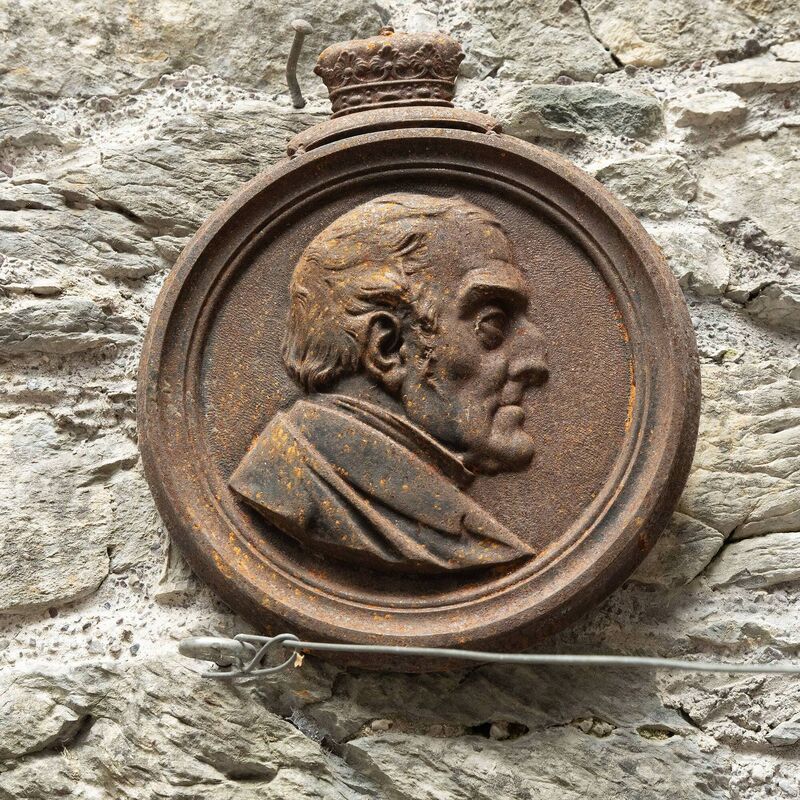
Externally on the castle’s stout doorstep there’s a leafy approach driveway, and the site is planted with native trees …. some of which may yield timber for furniture for Ballintotis in centuries to come.

VERDICT: An Englishman’s holiday home was an Irish castle: who’s next to call it keeps?

x

More in this section

Revoiced

Newsletter

Sign up to the best reads of the week from irishexaminer.com selected just for you.

Cookie Policy Privacy Policy Brand Safety FAQ Help Contact Us Terms and Conditions

© Examiner Echo Group Limited